 EN
EN
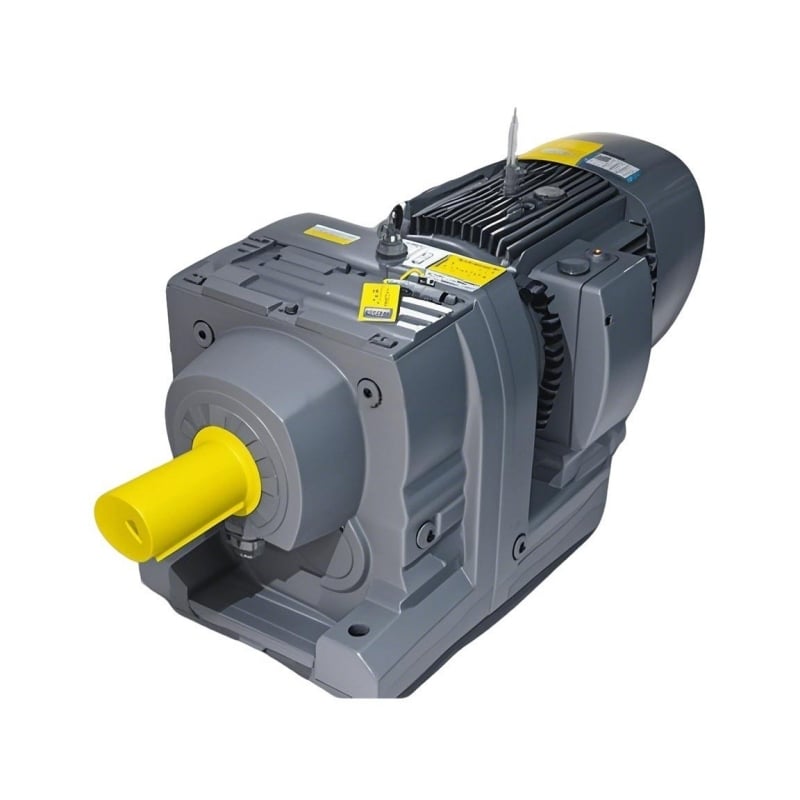
Industrial applications requiring reliable power transmission often face the challenge of selecting the most suitable drive system for continuous operation. Helical gear motors have emerged as a preferred solution across manufacturing sectors due to their superior design characteristics and operational advantages. Unlike spur gears, helical gear motors utilize angled teeth that engage gradually, reducing vibration and noise while delivering consistent torque output. This fundamental design principle makes them particularly effective for applications demanding extended operational periods without compromising performance or reliability.
Manufacturing facilities worldwide increasingly rely on continuous operation models to maximize productivity and meet demanding production schedules. The selection of appropriate gear motor technology directly impacts operational efficiency, maintenance costs, and overall system longevity. Helical gear motors demonstrate exceptional performance characteristics that align with the requirements of modern industrial environments where downtime translates to significant revenue losses and operational disruptions.
Design Advantages of Helical Gear Motors
Tooth Engagement Mechanics
The fundamental advantage of helical gear motors lies in their unique tooth geometry and engagement pattern. Unlike straight-cut gear teeth that engage along their entire width simultaneously, helical gear teeth feature an angled profile that creates gradual contact during rotation. This progressive engagement distributes loads more evenly across the gear surface, reducing stress concentrations that can lead to premature wear or failure in continuous operation scenarios.
The helical angle typically ranges between fifteen to thirty degrees, optimizing the balance between load distribution and axial thrust forces. This geometric configuration enables helical gear motors to handle higher torque loads while maintaining smoother operation compared to conventional gear systems. The gradual tooth engagement also contributes to reduced backlash, improving positional accuracy in precision applications requiring continuous motion control.
Noise and Vibration Reduction
Continuous operation environments often prioritize noise reduction to maintain acceptable working conditions and comply with industrial safety regulations. Helical gear motors naturally produce lower noise levels due to their progressive tooth engagement pattern, which eliminates the sudden impact forces characteristic of spur gear systems. This smooth engagement translates to reduced vibration transmission throughout the drivetrain assembly.
The acoustic benefits become particularly significant during extended operation periods, where cumulative noise exposure can affect worker comfort and safety. Helical gear motors typically operate at noise levels ten to fifteen decibels lower than equivalent spur gear systems, making them suitable for applications in noise-sensitive environments such as food processing facilities, pharmaceutical manufacturing, or residential-adjacent industrial operations.
Operational Efficiency in Continuous Applications
Heat Generation and Thermal Management
Continuous operation generates substantial heat within gear motor assemblies, potentially affecting lubricant properties, material integrity, and overall system reliability. Helical gear motors demonstrate superior thermal characteristics due to their efficient power transmission and reduced friction losses. The gradual tooth engagement distributes contact stresses more evenly, minimizing localized heating that can compromise gear tooth surfaces over extended operation periods.
The improved load distribution inherent in helical gear design also enables more effective heat dissipation throughout the gear housing. This thermal advantage becomes critical in applications operating at high duty cycles or in elevated ambient temperature environments. Proper thermal management extends lubricant life, reduces maintenance frequency, and enhances overall system reliability during continuous operation cycles.
Power Transmission Efficiency
Energy efficiency considerations play an increasingly important role in industrial equipment selection, particularly for systems operating continuously throughout production shifts. Helical gear motors typically achieve efficiency ratings between ninety-five to ninety-eight percent, significantly higher than many alternative drive technologies. This efficiency advantage translates to reduced energy consumption and lower operational costs over the equipment lifecycle.
The superior efficiency stems from the optimized contact pattern between helical gear teeth, which minimizes sliding friction and maximizes rolling contact during power transmission. This mechanical advantage becomes particularly valuable in high-torque applications where energy losses in less efficient systems would result in substantial operational cost penalties over continuous operation periods.
Durability and Maintenance Considerations
Wear Characteristics and Service Life
Continuous operation places demanding requirements on gear motor components, making durability a critical selection criterion. Helical gear motors exhibit excellent wear characteristics due to their distributed load pattern and gradual tooth engagement. The angled tooth geometry creates multiple contact points along the tooth face, spreading wear more evenly compared to spur gear systems where wear concentrates at specific contact zones.
Field studies indicate that helical gear motors can achieve service lives exceeding fifty thousand hours in properly maintained continuous operation applications. This extended service life results from reduced contact stress, improved lubrication retention, and more uniform material loading throughout the operational cycle. The durability advantage becomes particularly pronounced in applications with frequent start-stop cycles or varying load conditions.
Maintenance Requirements and Intervals
Maintenance scheduling significantly impacts the total cost of ownership for continuously operating equipment. Helical gear motors typically require less frequent maintenance interventions compared to other gear motor technologies due to their inherent design advantages. The smooth operation characteristics reduce component stress, extending lubricant change intervals and decreasing the frequency of inspection requirements.
The enclosed housing designs common in helical gear motors also provide superior contamination protection, maintaining lubricant cleanliness and preventing foreign material ingress that could accelerate wear. This environmental protection becomes particularly valuable in continuous operation scenarios where maintenance windows are limited and system reliability is paramount for production continuity.
Application-Specific Performance Benefits
Manufacturing and Production Lines
Manufacturing environments demand reliable power transmission solutions that can operate continuously without compromising product quality or production throughput. Helical gear motors excel in conveyor systems, packaging equipment, and automated assembly lines where consistent torque output and smooth operation are essential. The reduced vibration characteristics of helical gear motors prevent product damage and maintain precise positioning accuracy throughout extended production runs.
The compact design options available in helical gear motors also facilitate integration into space-constrained manufacturing environments. Their ability to handle high torque loads in relatively small packages makes them ideal for robotic applications and automated material handling systems operating on continuous duty cycles.
Process Industries and Chemical Applications
Process industries such as chemical manufacturing, petroleum refining, and water treatment rely heavily on continuous operation equipment. Helical gear motors provide the reliability and performance consistency required in these critical applications. Their sealed housing designs offer excellent protection against corrosive environments while maintaining operational integrity throughout extended service periods.
The smooth torque delivery characteristics of helical gear motors also prevent process disruptions that could affect product quality or safety systems. In pump applications, the consistent rotational output helps maintain steady flow rates and pressure conditions essential for process stability and product specifications.
Selection Criteria for Continuous Operation
Load Characteristics and Duty Cycle Requirements
Proper selection of helical gear motors for continuous operation requires careful analysis of load characteristics, duty cycle requirements, and environmental conditions. The superior load distribution capabilities of helical gear motors make them particularly suitable for applications with varying torque demands or shock loading conditions. Their ability to handle overload conditions without immediate failure provides operational safety margins essential in critical continuous processes.
Service factor considerations become crucial when specifying helical gear motors for continuous duty applications. The inherent strength advantages of helical gear design allow for higher service factors compared to alternative gear technologies, providing additional reliability margins for demanding operational conditions.
Environmental and Installation Factors
Environmental considerations significantly influence gear motor selection for continuous operation applications. Helical gear motors offer excellent adaptability to various mounting orientations and environmental conditions while maintaining performance consistency. Their enclosed designs provide protection against dust, moisture, and temperature variations that could affect operation in industrial environments.
The modular design approach common in helical gear motors also facilitates maintenance access and component replacement when required. This design flexibility becomes particularly valuable in continuous operation scenarios where maintenance activities must be completed quickly to minimize production impact.
FAQ
What makes helical gear motors more suitable for continuous operation than spur gear motors
Helical gear motors feature angled teeth that engage gradually rather than simultaneously, creating smoother operation with reduced vibration and noise. This progressive engagement distributes loads more evenly across gear surfaces, reducing stress concentrations and extending service life. The improved load distribution also generates less heat and provides better lubrication retention, making helical gear motors ideal for extended continuous operation periods.
How do helical gear motors compare in terms of maintenance requirements for continuous applications
Helical gear motors typically require less frequent maintenance compared to other gear motor technologies due to their superior load distribution and reduced component stress. The smooth operation characteristics extend lubricant change intervals and decrease inspection frequency. Their enclosed designs also provide better contamination protection, maintaining system cleanliness and preventing premature wear in continuous operation environments.
What efficiency advantages do helical gear motors offer in continuous operation scenarios
Helical gear motors achieve efficiency ratings between ninety-five to ninety-eight percent due to optimized tooth contact patterns that minimize friction losses. The gradual tooth engagement maximizes rolling contact while reducing sliding friction during power transmission. This efficiency advantage translates to significant energy cost savings over extended continuous operation periods, making them economically attractive for high duty cycle applications.
Can helical gear motors handle varying load conditions during continuous operation
Yes, helical gear motors excel in handling varying load conditions due to their distributed load pattern and multiple tooth contact points. The angled tooth geometry creates superior load sharing across the gear face, providing better overload capacity and shock absorption compared to straight-cut gears. This characteristic makes them particularly suitable for continuous applications with fluctuating torque demands or occasional overload conditions.
Table of Contents
- Design Advantages of Helical Gear Motors
- Operational Efficiency in Continuous Applications
- Durability and Maintenance Considerations
- Application-Specific Performance Benefits
- Selection Criteria for Continuous Operation
-
FAQ
- What makes helical gear motors more suitable for continuous operation than spur gear motors
- How do helical gear motors compare in terms of maintenance requirements for continuous applications
- What efficiency advantages do helical gear motors offer in continuous operation scenarios
- Can helical gear motors handle varying load conditions during continuous operation