 EN
EN
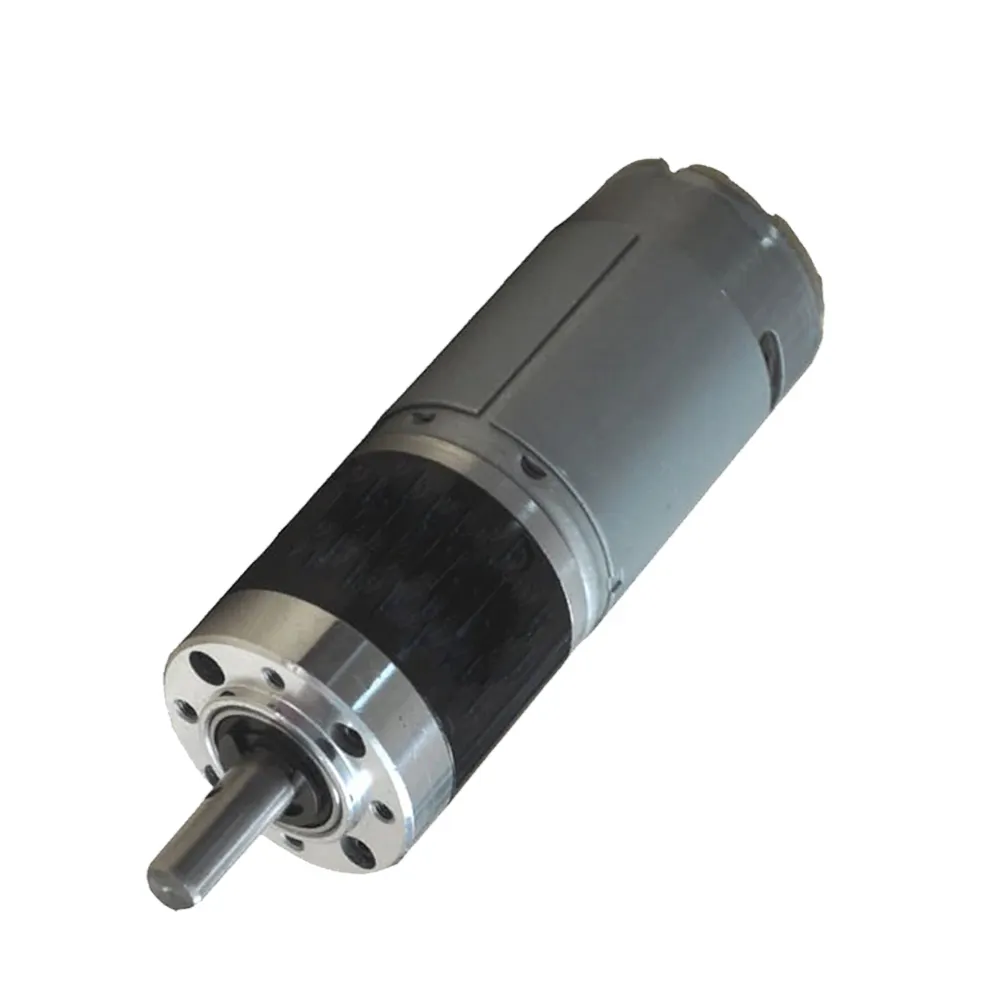
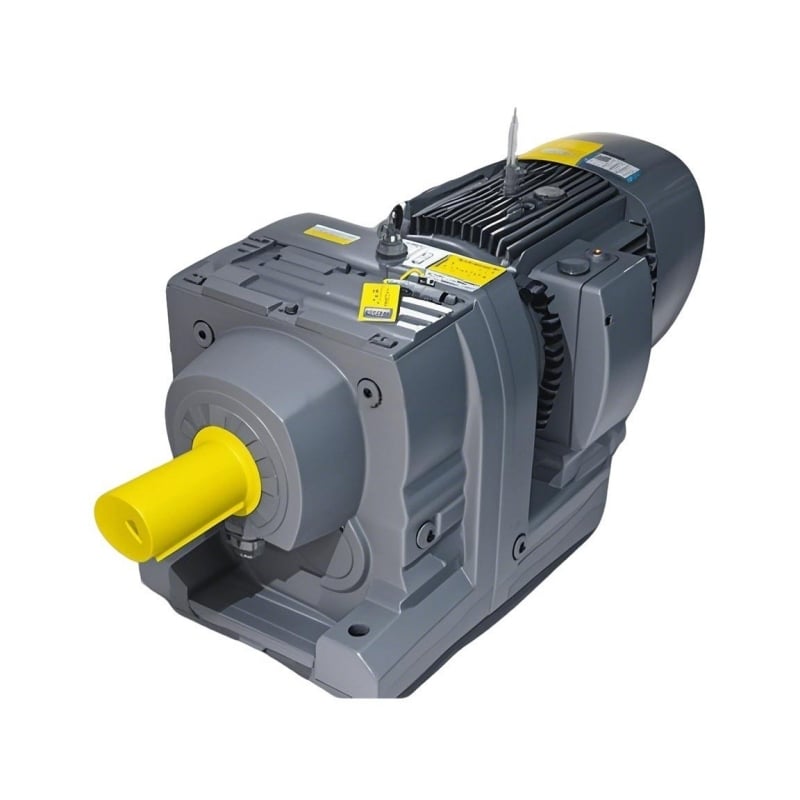
Modern industrial applications demand reliable power transmission solutions that deliver exceptional performance under challenging operating conditions. Helical gear motors have emerged as the preferred choice for manufacturers seeking optimal torque delivery, smooth operation, and extended service life. These sophisticated mechanical systems combine the efficiency of helical gearing with integrated motor technology to provide superior performance across diverse industrial sectors. Understanding the key design features that make helical gear motors so effective helps engineers and procurement professionals make informed decisions for their specific applications.
Advanced Helical Gear Geometry and Tooth Design
Optimized Tooth Profile Engineering
The foundation of superior helical gear motors lies in their precisely engineered tooth profiles that maximize contact area while minimizing stress concentrations. Advanced manufacturing techniques enable the creation of involute tooth geometries that distribute loads evenly across multiple teeth simultaneously. This design approach significantly reduces individual tooth loading compared to conventional spur gear arrangements. The helical angle typically ranges between 15 to 25 degrees, providing the optimal balance between axial thrust generation and smooth power transmission characteristics.
Modern helical gear motors incorporate sophisticated pressure angle optimization to enhance load-carrying capacity and operational efficiency. The standard pressure angle of 20 degrees provides excellent strength characteristics while maintaining smooth engagement between mating teeth. Computer-aided design tools allow engineers to fine-tune tooth modifications such as tip relief and root fillet optimization to minimize noise generation and extend operational life.
Material Selection and Heat Treatment Processes
High-performance helical gear motors utilize advanced steel alloys specifically formulated for gear applications, including case-hardening grades such as 20CrMnTi and 17CrNiMo6. These materials provide exceptional surface hardness while maintaining core toughness essential for shock load resistance. The heat treatment process involves precise carburizing followed by controlled quenching and tempering to achieve optimal hardness gradients from surface to core.
Surface finishing techniques such as grinding and honing ensure dimensional accuracy within tight tolerances while achieving superior surface quality. These processes eliminate manufacturing marks and create smooth tooth surfaces that reduce friction losses and wear rates during operation. The combination of proper material selection and advanced heat treatment enables helical gear motors to achieve service factors exceeding 1.5 in demanding industrial applications.
Integrated Motor and Gearbox Design Architecture
Compact Housing Configuration
The integrated design philosophy of helical gear motors eliminates the need for separate motor mounting and coupling systems, resulting in significantly more compact installation footprints. The motor housing serves as the input stage of the gear reduction system, with the motor rotor directly connected to the first stage pinion. This configuration eliminates potential alignment issues and reduces the number of rotating components that could introduce vibration or mechanical wear.
Advanced casting techniques enable the creation of robust housings that provide excellent structural integrity while minimizing weight. Ribbed internal structures distribute operational stresses effectively while providing enhanced heat dissipation capabilities. The seamless integration between motor and gearbox components creates a unified system that operates with exceptional smoothness and reliability throughout its service life.
Precision Bearing Systems and Support Structures
High-quality helical gear motors incorporate precision rolling element bearings strategically positioned to support all rotating components under various load conditions. Tapered roller bearings handle combined radial and axial loads generated by helical gear engagement, while deep groove ball bearings provide support for intermediate shafts. Bearing selection considers both static and dynamic load ratings to ensure adequate safety margins for extended operation.
The bearing support structure includes precisely machined housings with controlled tolerances to ensure proper bearing preload and alignment. Effective sealing systems protect bearings from contamination while retaining lubricant within the system. Advanced helical gear motors often incorporate maintenance-free bearing configurations that eliminate the need for periodic regreasing throughout the expected service life.
Lubrication Systems and Thermal Management
Advanced Lubricant Selection and Distribution
Effective lubrication systems are crucial for maximizing the performance and longevity of helical gear motors operating under high-torque conditions. Synthetic gear oils with enhanced extreme pressure additives provide superior protection against micropitting and scuffing while maintaining stable viscosity characteristics across wide temperature ranges. The lubricant selection process considers factors such as operating temperature, load intensity, and environmental conditions to ensure optimal performance.
Internal oil distribution systems ensure adequate lubrication reaches all critical components including gear teeth, bearings, and sealing interfaces. Splash lubrication systems work effectively for smaller helical gear motors, while larger units may incorporate oil pumps or spray systems for positive lubrication delivery. Strategic oil reservoir design maintains proper lubricant levels while providing cooling capacity to manage operational heat generation.
Thermal Dissipation and Temperature Control
Effective thermal management prevents overheating that could compromise lubricant performance and component durability in helical gear motors. External fin configurations increase surface area for natural convection cooling, while internal oil circulation helps transfer heat from loaded components to the housing exterior. Some applications benefit from forced air cooling systems or oil coolers to maintain optimal operating temperatures.
Temperature monitoring systems integrated into advanced helical gear motors provide real-time feedback on thermal conditions, enabling predictive maintenance strategies. Thermal expansion considerations influence housing design and component clearances to ensure proper operation across the intended temperature range. Proper thermal management extends lubricant life and maintains consistent performance characteristics throughout the operational envelope.
Load Capacity and Torque Transmission Characteristics
Service Factor Optimization and Safety Margins
Professional-grade helical gear motors are designed with substantial safety margins to accommodate varying load conditions and application requirements. Service factor calculations consider not only the nominal torque requirements but also shock loads, duty cycles, and environmental factors that influence operational demands. Typical service factors range from 1.25 for smooth loads to 2.0 or higher for applications involving significant shock loading or frequent reversals.
Load distribution analysis ensures that individual gear teeth and bearing elements operate well within their design limits even under peak loading conditions. Computer modeling techniques validate stress levels throughout the drivetrain components, enabling optimization of gear ratios and shaft diameters for specific applications. This comprehensive approach to load capacity design ensures reliable operation and extended service life in demanding industrial environments.
Multi-Stage Reduction Strategies
High-torque helical gear motors often employ multi-stage reduction systems to achieve the desired output characteristics while maintaining compact dimensions. Each reduction stage is optimized for its specific role in the overall torque multiplication process, with gear ratios selected to minimize size while maximizing efficiency. The first stage typically handles the highest input speeds, while subsequent stages progressively increase torque output.
Stage-specific design considerations include gear material selection, heat treatment specifications, and lubrication requirements based on the operating conditions at each level. Intermediate shafts are sized to handle transmitted torque with adequate safety margins while minimizing deflection that could affect gear mesh quality. This systematic approach to multi-stage design enables helical gear motors to achieve reduction ratios exceeding 3000:1 while maintaining high efficiency levels.
Efficiency Enhancement and Energy Optimization
Friction Reduction Technologies
Modern helical gear motors incorporate various design features specifically aimed at minimizing friction losses throughout the power transmission path. Precision manufacturing techniques ensure optimal gear mesh characteristics that reduce sliding friction between mating tooth surfaces. Advanced surface treatments such as shot peening and specialized coatings further reduce friction coefficients while enhancing wear resistance.
Bearing selection emphasizes low-friction characteristics through the use of precision-grade components with optimized internal clearances and high-performance lubricants. Seal design minimizes dragging losses while maintaining effective contamination protection and lubricant retention. The cumulative effect of these friction reduction measures typically results in efficiency levels exceeding 95% for high-quality helical gear motors in optimal operating conditions.
Power Loss Minimization Strategies
Comprehensive power loss analysis identifies and addresses all sources of energy dissipation within helical gear motors to maximize overall system efficiency. Windage losses from rotating components are minimized through optimized housing geometries and strategic ventilation design. Churning losses in lubrication systems are controlled through proper oil level management and internal baffle systems that prevent unnecessary lubricant agitation.
Motor integration efficiency is enhanced through careful attention to magnetic circuit design, conductor sizing, and thermal management. Variable frequency drive compatibility ensures that helical gear motors can operate efficiently across wide speed ranges when required by the application. These comprehensive efficiency optimization measures contribute to reduced operational costs and improved environmental sustainability.
FAQ
What are the main advantages of helical gear motors over spur gear alternatives
Helical gear motors offer several significant advantages including smoother operation with reduced noise levels, higher load-carrying capacity due to increased tooth contact area, and better torque transmission characteristics. The helical tooth geometry provides gradual engagement and disengagement, resulting in quieter operation compared to spur gear systems. Additionally, helical gear motors can handle higher torque loads while maintaining more compact dimensions than equivalent spur gear designs.
How do you determine the appropriate service factor for helical gear motor applications
Service factor selection depends on several key factors including load characteristics, duty cycle requirements, environmental conditions, and desired service life. Smooth, continuous loads typically require service factors of 1.25 to 1.5, while applications with shock loading or frequent reversals may need factors of 2.0 or higher. Consider factors such as temperature extremes, contamination levels, and maintenance accessibility when determining the appropriate service factor for your specific application.
What maintenance practices extend the service life of helical gear motors
Regular lubricant analysis and replacement according to manufacturer recommendations is crucial for maximizing helical gear motor service life. Monitor vibration levels and temperature trends to identify potential issues before they cause significant damage. Ensure proper alignment and mounting to prevent premature bearing wear, and maintain clean operating environments to minimize contamination. Regular visual inspections of external components and connections help identify developing problems early in their progression.
Can helical gear motors operate effectively in variable speed applications
Yes, properly designed helical gear motors can operate effectively across variable speed ranges when paired with appropriate motor control systems. Variable frequency drives enable smooth speed adjustment while maintaining high efficiency levels throughout the operating range. Consider lubrication requirements at low speeds and ensure adequate cooling at high speeds to maintain optimal performance. Some applications may benefit from auxiliary lubrication pumps to ensure proper lubricant circulation at very low operating speeds.
Table of Contents
- Advanced Helical Gear Geometry and Tooth Design
- Integrated Motor and Gearbox Design Architecture
- Lubrication Systems and Thermal Management
- Load Capacity and Torque Transmission Characteristics
- Efficiency Enhancement and Energy Optimization
-
FAQ
- What are the main advantages of helical gear motors over spur gear alternatives
- How do you determine the appropriate service factor for helical gear motor applications
- What maintenance practices extend the service life of helical gear motors
- Can helical gear motors operate effectively in variable speed applications