 EN
EN
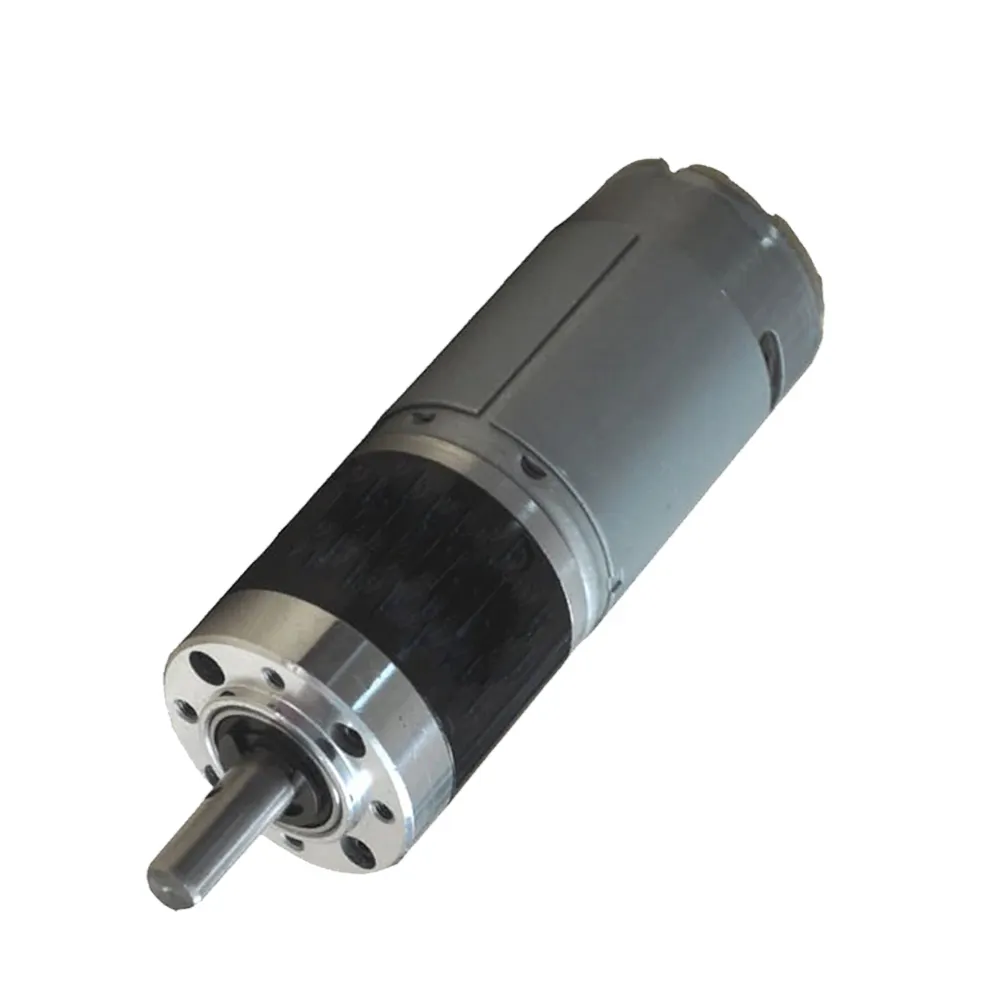
Selecting the appropriate industrial gearbox for your specific application is a critical decision that directly impacts operational efficiency, maintenance costs, and overall system performance. Industrial gearboxes serve as the backbone of countless manufacturing processes, power transmission systems, and heavy machinery operations across diverse sectors. The complexity of modern industrial environments demands careful consideration of multiple technical factors to ensure optimal gearbox selection and long-term reliability.
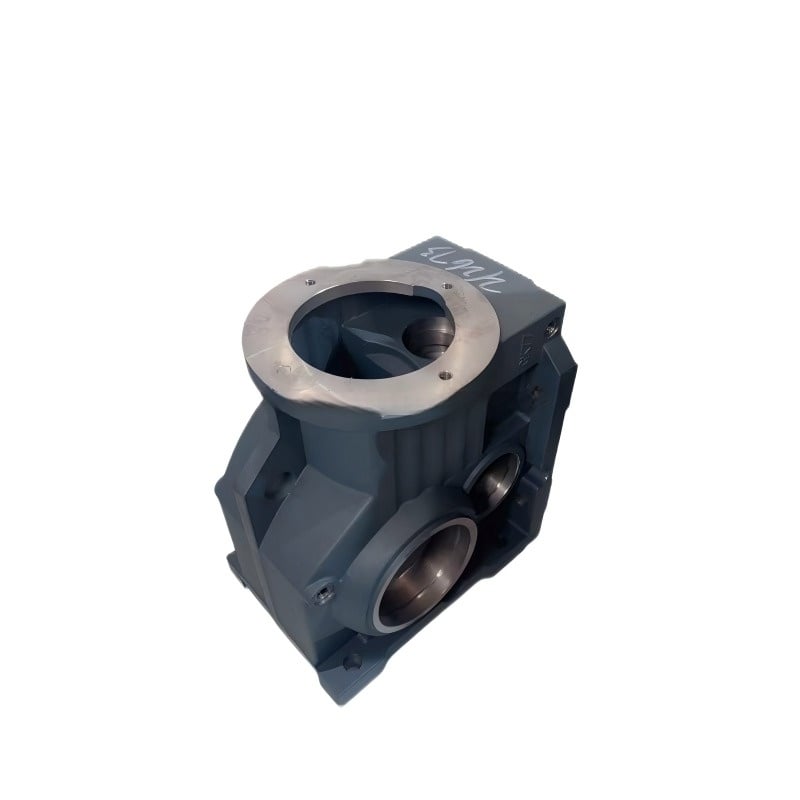
The industrial gearbox market continues to evolve with advancing technology, creating new opportunities for enhanced performance and efficiency. Understanding the fundamental principles of gearbox operation and the specific requirements of your application enables informed decision-making that maximizes return on investment. This comprehensive guide examines the essential considerations for selecting the right industrial gearbox while addressing common challenges faced by engineers and procurement professionals in today's competitive manufacturing landscape.
Understanding Industrial Gearbox Fundamentals
Basic Operating Principles
An industrial gearbox operates by transmitting rotational motion and torque between input and output shafts through a series of interconnected gears. The fundamental purpose of any industrial gearbox is to modify speed and torque characteristics to match the requirements of driven equipment. Speed reduction typically accompanies torque multiplication, while speed increase results in torque reduction, following the basic principles of mechanical advantage.
The gear ratio represents the relationship between input and output shaft speeds, calculated by dividing the number of teeth on the driven gear by the number of teeth on the driving gear. This ratio directly influences the torque multiplication factor and determines the mechanical advantage provided by the industrial gearbox. Understanding these fundamental relationships enables proper sizing and selection for specific applications.
Types of Gear Arrangements
Industrial gearbox designs incorporate various gear arrangements, each offering distinct advantages for specific applications. Parallel shaft configurations utilize spur or helical gears to provide efficient power transmission with high load capacity. Right-angle configurations employ bevel or worm gears to change the direction of power transmission while accommodating space constraints in equipment design.
Planetary gear arrangements offer compact solutions with high power density and multiple speed ratios within a single industrial gearbox housing. Harmonic drive systems provide exceptional precision and zero backlash characteristics for applications requiring precise positioning. Each arrangement type presents unique benefits that must be evaluated against application requirements to ensure optimal performance.
Critical Selection Parameters
Power and Torque Requirements
Accurate determination of power and torque requirements forms the foundation of proper industrial gearbox selection. Input power calculations must account for motor characteristics, operating conditions, and efficiency factors throughout the power transmission system. Output torque requirements depend on load characteristics, including continuous operating loads, peak loads during startup or emergency conditions, and dynamic loads resulting from process variations.
Service factors provide additional safety margins to accommodate application-specific conditions such as shock loads, duty cycles, and environmental factors. Proper application of service factors ensures reliable operation and prevents premature failure of the industrial gearbox under challenging operating conditions. Conservative sizing approaches often prove cost-effective by extending equipment life and reducing maintenance requirements.
Speed and Ratio Considerations
Input and output speed requirements directly influence gearbox ratio selection and internal design characteristics. High-speed input applications may require special attention to bearing selection, lubrication systems, and dynamic balancing to ensure smooth operation. Low-speed, high-torque output requirements necessitate robust gear tooth designs and housing structures capable of handling significant loads.
Multiple-stage industrial gearbox designs enable achievement of high reduction ratios while maintaining reasonable gear sizes and manufacturing tolerances. Single-stage designs offer simplicity and higher efficiency but may be limited in achievable ratios. The selection between single and multiple-stage configurations depends on space constraints, efficiency requirements, and cost considerations specific to each application.
Environmental and Operating Conditions
Temperature and Climate Factors
Operating temperature ranges significantly impact industrial gearbox performance and longevity. High-temperature environments require special lubricants, enhanced cooling systems, and materials capable of maintaining strength and dimensional stability under thermal stress. Cold temperature operations may necessitate low-temperature lubricants and heating systems to ensure proper startup and operation.
Thermal cycling between operating and ambient temperatures creates expansion and contraction stresses that must be accommodated in gearbox design. Proper material selection and clearance specifications help minimize thermal stress effects. Industrial gearbox applications in extreme climates often require specialized sealing systems and environmental protection features to maintain reliable operation.
Contamination and Sealing Requirements
Industrial environments often expose gearboxes to various contaminants including dust, moisture, chemicals, and abrasive particles. Effective sealing systems prevent contamination ingress while allowing proper ventilation to manage internal pressure changes. Industrial gearbox designs must balance sealing effectiveness with accessibility for maintenance and lubrication.
Wash-down environments require special attention to seal design and material compatibility with cleaning agents. Food processing applications demand FDA-approved lubricants and materials that prevent contamination of products. Chemical processing environments may require corrosion-resistant materials and specialized sealing compounds to withstand aggressive atmospheres.
Efficiency and Performance Optimization
Energy Efficiency Considerations
Industrial gearbox efficiency directly impacts operating costs and energy consumption throughout the equipment lifecycle. High-efficiency designs minimize power losses through optimized gear geometry, precision manufacturing, and advanced lubrication systems. Efficiency improvements of even small percentages can result in significant cost savings over years of operation.
Modern industrial gearbox designs achieve efficiencies exceeding 95% through careful attention to gear tooth profiles, bearing selection, and lubrication optimization. Variable speed applications may require consideration of efficiency curves across the operating range to ensure optimal performance at all operating points. Energy-efficient gearbox selection supports sustainability goals and reduces environmental impact.
Precision and Backlash Control
Precision requirements vary significantly across industrial applications, from basic power transmission to high-accuracy positioning systems. Backlash characteristics of an industrial gearbox affect positioning accuracy, dynamic response, and system stability in closed-loop control applications. Low-backlash designs require precision manufacturing and careful assembly procedures that increase initial costs but provide superior performance.
Preloaded gear arrangements eliminate backlash entirely but may increase friction losses and require more sophisticated lubrication systems. The selection between standard and precision industrial gearbox designs depends on application requirements and cost-benefit analysis. Motion control applications typically justify the additional cost of precision designs through improved system performance.
Maintenance and Lifecycle Considerations
Serviceability and Accessibility
Industrial gearbox maintenance requirements significantly impact total cost of ownership and equipment availability. Accessible designs facilitate routine maintenance tasks such as oil changes, seal replacement, and inspection procedures. Modular construction enables component replacement without complete gearbox removal, reducing maintenance time and costs.
Predictive maintenance technologies including vibration monitoring, temperature sensing, and oil analysis systems help optimize maintenance schedules and prevent unexpected failures. Modern industrial gearbox designs increasingly incorporate condition monitoring capabilities to support predictive maintenance programs. Remote monitoring systems enable continuous assessment of gearbox health and performance trends.
Expected Service Life and Reliability
Service life expectations for industrial gearbox applications typically range from 10 to 30 years depending on operating conditions and maintenance practices. Proper selection and sizing significantly influence achievable service life by ensuring operation within design parameters. Conservative rating practices and quality manufacturing contribute to extended service life and reliable operation.
Failure mode analysis helps identify potential weak points and design improvements that enhance reliability. Industrial gearbox manufacturers increasingly provide detailed reliability data and failure statistics to support selection decisions. Understanding reliability characteristics enables more accurate lifecycle cost calculations and maintenance planning.
Installation and Integration Factors
Mounting and Alignment Requirements
Proper installation and alignment critically affect industrial gearbox performance and longevity. Mounting configurations must accommodate thermal expansion, vibration isolation, and accessibility for maintenance. Shaft alignment tolerances become increasingly critical at higher speeds and power levels, requiring precision installation procedures and ongoing monitoring.
Foundation design and mounting hardware must provide adequate support for operational loads and dynamic forces. Flexible couplings help accommodate minor misalignment and reduce transmitted forces between connected equipment. Industrial gearbox installations often benefit from vibration dampening systems and periodic alignment verification to ensure optimal performance.
System Integration Considerations
Industrial gearbox selection must consider integration with existing plant systems including control systems, lubrication infrastructure, and maintenance programs. Standardization on specific gearbox families can reduce spare parts inventory and simplify maintenance training. Compatibility with plant-wide monitoring systems enables centralized condition monitoring and maintenance planning.
Interface requirements including shaft dimensions, mounting patterns, and auxiliary systems must align with existing equipment designs. Custom modifications may be necessary to achieve proper integration but should be minimized to maintain cost-effectiveness and reliability. Modular designs often provide flexibility for system integration while maintaining standard components.
FAQ
How do I calculate the required gear ratio for my industrial gearbox application
Calculate the gear ratio by dividing the input speed by the required output speed. For example, if your motor operates at 1800 RPM and you need 180 RPM output, the required ratio is 10:1. Consider that torque increases proportionally to the gear ratio, so a 10:1 reduction ratio will multiply input torque by approximately 10 times, accounting for efficiency losses in the industrial gearbox.
What maintenance practices extend industrial gearbox service life
Regular oil changes using manufacturer-specified lubricants, periodic seal inspection and replacement, vibration monitoring, and maintaining proper operating temperatures are essential maintenance practices. Keep detailed maintenance records and perform regular visual inspections for oil leaks, unusual noises, or excessive vibration. Follow manufacturer recommendations for maintenance intervals and procedures specific to your industrial gearbox model.
How do environmental conditions affect gearbox selection
Environmental factors significantly influence industrial gearbox design requirements. High temperatures require synthetic lubricants and enhanced cooling, while corrosive environments need special materials and protective coatings. Dusty conditions require effective sealing systems, and wash-down applications need food-grade lubricants and corrosion-resistant construction. Always specify environmental conditions when selecting an industrial gearbox to ensure proper design features.
What are the signs that an industrial gearbox needs replacement
Key indicators include excessive noise levels, increased vibration, frequent oil changes due to contamination, visible gear wear through inspection ports, declining efficiency measurements, and recurring seal failures. Rising operating temperatures, metal particles in oil samples, and increased backlash also signal potential replacement needs. Cost-benefit analysis comparing repair costs to replacement costs helps determine the most economical decision for your industrial gearbox situation.