 EN
EN
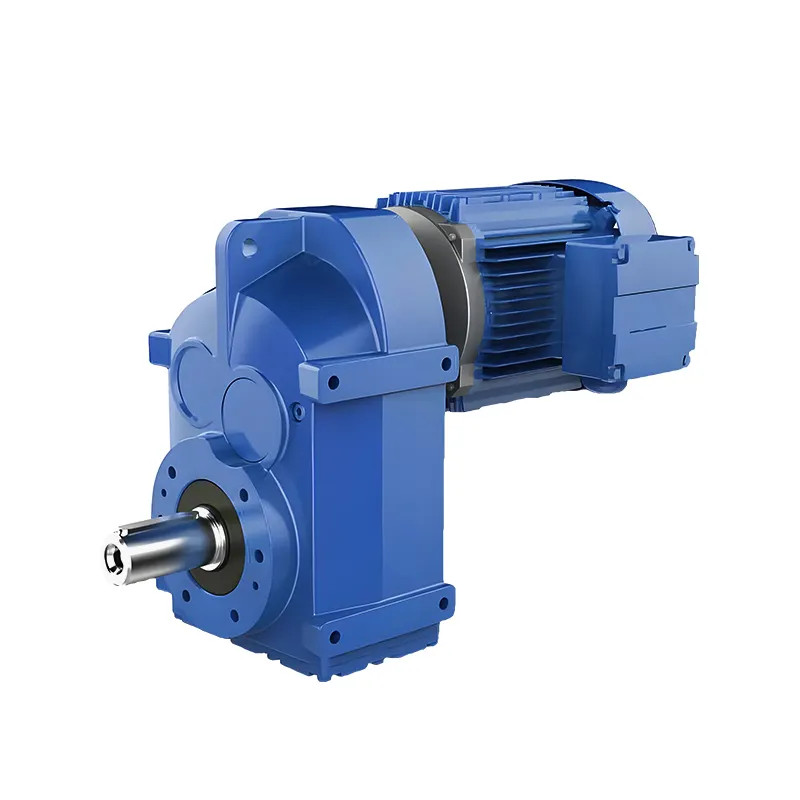
Industrial operations depend heavily on reliable mechanical systems, and among these critical components, the speed reducer plays an indispensable role in ensuring optimal machinery performance. These precision-engineered devices are responsible for controlling rotational speed and torque transmission in countless manufacturing processes, making their proper maintenance essential for sustained operational efficiency. Understanding the fundamental principles of speed reducer maintenance can dramatically extend equipment lifespan while minimizing costly downtime and unexpected failures.
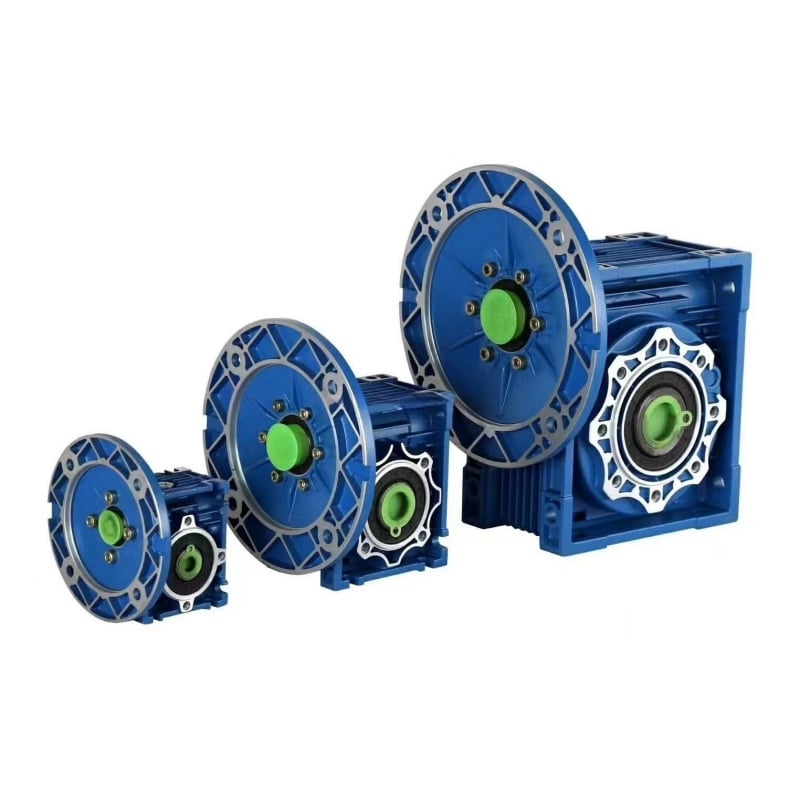
The complexity of modern industrial environments demands that maintenance teams develop comprehensive strategies tailored specifically to their speed reducer applications. Each installation presents unique challenges based on operating conditions, load requirements, environmental factors, and duty cycles. Developing a systematic approach to maintenance ensures that these vital components continue delivering the precision and reliability that modern manufacturing demands.
Understanding Speed Reducer Fundamentals for Effective Maintenance
Core Components and Their Maintenance Requirements
Every speed reducer consists of several critical components that require specific maintenance attention to ensure optimal performance. The gear train, housing, bearings, and sealing systems each play distinct roles in the overall functionality of these precision devices. Understanding how these components interact and where potential failure points exist enables maintenance teams to develop targeted inspection and service protocols that address the most critical aspects of speed reducer operation.
The gear train represents the heart of any speed reducer system, where precise tooth engagement and proper lubrication are essential for smooth operation. Regular inspection of gear surfaces for signs of wear, pitting, or scoring provides early warning indicators of potential problems. Additionally, monitoring backlash measurements helps identify when gear wear has progressed beyond acceptable tolerances, allowing for proactive replacement before catastrophic failure occurs.
Environmental Factors Affecting Maintenance Schedules
Operating environments significantly influence the maintenance requirements for industrial speed reducer installations. Factors such as ambient temperature, humidity levels, dust exposure, and chemical contamination all impact the frequency and intensity of required maintenance procedures. High-temperature environments accelerate lubricant degradation and increase thermal stress on internal components, necessitating more frequent oil changes and thermal monitoring protocols.
Dust and particulate contamination pose particular challenges for speed reducer maintenance, as these contaminants can infiltrate sealing systems and accelerate wear on precision gear surfaces. Establishing proper environmental controls and implementing enhanced sealing strategies helps minimize contamination while extending service intervals and reducing overall maintenance costs.
Lubrication Management for Optimal Performance
Selecting the Right Lubricants
Proper lubricant selection forms the foundation of effective speed reducer maintenance programs. The viscosity, additive package, and base oil type must align with specific operating conditions to ensure optimal protection and performance. Synthetic lubricants often provide superior performance in extreme temperature applications, while mineral-based oils may offer cost advantages in less demanding environments.
Load characteristics significantly influence lubricant selection, as high-load applications require oils with enhanced extreme pressure additives to prevent metal-to-metal contact during peak stress conditions. Understanding the relationship between load, speed, and lubricant properties enables maintenance teams to optimize their lubrication strategies for maximum equipment protection and longevity.
Oil Analysis and Condition Monitoring
Implementing comprehensive oil analysis programs provides invaluable insights into speed reducer health and maintenance requirements. Regular sampling and analysis reveal trends in wear metal concentrations, contamination levels, and lubricant degradation that indicate developing problems before they result in equipment failure. This proactive approach allows maintenance teams to schedule repairs during planned downtime rather than responding to emergency breakdowns.
Trending analysis results over time establishes baseline conditions and helps identify abnormal changes that warrant immediate attention. Particle counting, viscosity measurements, and spectroscopic analysis provide comprehensive data about internal component condition and lubricant effectiveness, enabling data-driven maintenance decisions that optimize both equipment reliability and maintenance costs.
Preventive Inspection Protocols
Visual Inspection Techniques
Regular visual inspections form the cornerstone of effective speed reducer maintenance programs, providing early detection of potential problems before they escalate into costly failures. Trained technicians can identify signs of oil leakage, housing cracks, mounting problems, and coupling misalignment through systematic visual examination procedures. Developing standardized inspection checklists ensures that critical areas receive consistent attention during routine maintenance rounds.
Documentation of inspection findings creates valuable historical records that help identify recurring issues and track the progression of developing problems. Photographic documentation provides additional detail that supports maintenance planning and helps communicate findings to management and engineering personnel who may not be directly involved in hands-on maintenance activities.
Vibration Analysis and Monitoring
Vibration monitoring provides powerful diagnostic capabilities for detecting developing problems in speed reducer installations. Changes in vibration signatures often precede visible symptoms of component wear or damage, allowing maintenance teams to address issues proactively. Establishing baseline vibration measurements during initial installation creates reference points for future comparisons and trend analysis.
Advanced vibration analysis techniques can pinpoint specific component problems, such as bearing defects, gear tooth damage, or misalignment issues. This diagnostic precision enables targeted maintenance interventions that address root causes rather than symptoms, resulting in more effective repairs and longer service intervals between major maintenance activities.
Temperature Management and Thermal Protection
Monitoring Operating Temperatures
Temperature monitoring represents a critical aspect of speed reducer maintenance, as excessive heat indicates potential problems with lubrication, loading, or internal component condition. Establishing temperature monitoring protocols helps identify developing issues before they result in lubricant breakdown or component damage. Infrared thermometry and permanently installed temperature sensors provide reliable methods for tracking thermal performance over time.
Understanding normal operating temperature ranges for specific speed reducer configurations enables maintenance teams to recognize abnormal conditions quickly. Temperature trending analysis reveals gradual changes that may indicate developing problems, while sudden temperature spikes often signal immediate attention requirements.
Cooling System Maintenance
Many industrial speed reducer installations incorporate cooling systems to manage operating temperatures in demanding applications. These auxiliary systems require regular maintenance to ensure optimal heat dissipation capabilities. Cooling fan maintenance, heat exchanger cleaning, and coolant system inspection form essential components of comprehensive maintenance programs for thermally challenging applications.
Blocked cooling passages or failed cooling system components can rapidly lead to overheating conditions that damage internal speed reducer components. Regular inspection and maintenance of cooling systems prevents these thermal issues while ensuring that equipment operates within design temperature parameters for maximum service life.
Alignment and Mounting Considerations
Precision Alignment Procedures
Proper alignment between speed reducer units and connected equipment significantly impacts service life and performance characteristics. Misalignment creates additional loads on internal components, accelerates wear, and can lead to premature failure of bearings, seals, and gear teeth. Implementing precision alignment procedures during installation and periodic realignment checks during maintenance help ensure optimal operating conditions.
Laser alignment systems provide the accuracy required for precision speed reducer installations, enabling maintenance teams to achieve alignment tolerances that maximize equipment life. Regular alignment verification helps identify foundation settling, thermal growth effects, or mounting system degradation that can compromise operational performance over time.
Foundation and Mounting System Integrity
The mounting foundation and support structure play crucial roles in speed reducer performance and longevity. Loose mounting bolts, cracked foundations, or inadequate structural support create vibration and alignment problems that accelerate component wear. Regular inspection of mounting systems ensures that speed reducer units maintain proper positioning and support throughout their service life.
Foundation settling or structural changes in the surrounding equipment can gradually affect speed reducer alignment and performance. Monitoring foundation conditions and implementing corrective measures when necessary prevents alignment-related problems that can significantly impact equipment reliability and maintenance requirements.
Seal and Gasket Maintenance
Preventing Contamination and Leakage
Sealing system integrity directly impacts speed reducer performance and maintenance requirements. Effective seals prevent lubricant leakage while excluding contamination that can damage internal components. Regular inspection of sealing systems identifies potential problems before they compromise lubrication effectiveness or allow harmful contaminants to enter the gear case.
Different seal types require specific maintenance approaches, from simple replacement schedules for static gaskets to more complex procedures for dynamic shaft seals. Understanding seal construction and failure mechanisms enables maintenance teams to implement appropriate inspection and replacement protocols that maintain optimal sealing performance throughout the equipment service life.
Replacement Strategies and Timing
Developing effective seal replacement strategies requires balancing the cost of scheduled replacement against the risk of unexpected failure and contamination damage. Predictive maintenance techniques can help optimize replacement timing by identifying seals that are approaching end-of-life conditions before failure occurs. This proactive approach minimizes both maintenance costs and the risk of contamination-related damage to expensive internal components.
Seal replacement procedures must maintain cleanliness standards to prevent introducing contamination during maintenance activities. Proper surface preparation, seal installation techniques, and post-installation verification ensure that new sealing systems provide the expected service life and protection levels for critical speed reducer components.
Troubleshooting Common Issues
Identifying Performance Problems
Effective troubleshooting begins with systematic identification of performance changes or abnormal operating characteristics in speed reducer installations. Changes in noise levels, vibration patterns, temperature profiles, or power consumption often provide early indicators of developing problems. Training maintenance personnel to recognize these early warning signs enables proactive intervention before minor issues escalate into major failures.
Developing standardized troubleshooting procedures helps ensure consistent diagnostic approaches across maintenance teams. Documentation of common problems and their solutions creates valuable reference materials that support efficient problem resolution and knowledge transfer within maintenance organizations.
Root Cause Analysis Techniques
Implementing thorough root cause analysis procedures prevents recurring failures and optimizes maintenance effectiveness. Surface-level repairs that address symptoms without correcting underlying causes often result in repeated failures and increased maintenance costs. Systematic investigation of failure modes, operating conditions, and maintenance history reveals the fundamental causes that must be addressed to achieve lasting solutions.
Collaboration between maintenance, engineering, and operations personnel often provides the diverse perspectives necessary for effective root cause analysis. Combining hands-on maintenance experience with engineering analysis and operational knowledge creates comprehensive understanding of complex failure mechanisms and their prevention strategies.
FAQ
How often should speed reducer oil be changed in industrial applications
Oil change intervals for industrial speed reducer applications depend on several factors including operating temperature, load conditions, environmental contamination levels, and lubricant type. Generally, mineral-based oils require changes every 2500 to 5000 operating hours, while synthetic lubricants may extend intervals to 8000 hours or more under favorable conditions. Oil analysis programs provide the most accurate method for determining optimal change intervals based on actual lubricant condition rather than arbitrary time schedules.
What are the most critical temperature limits for speed reducer operation
Most industrial speed reducer units operate optimally with oil temperatures between 160°F and 200°F (71°C to 93°C). Sustained operation above 200°F accelerates lubricant degradation and can damage sealing systems, while temperatures exceeding 250°F (121°C) may cause rapid lubricant breakdown and potential component damage. Continuous temperature monitoring and appropriate cooling measures help maintain operation within safe thermal limits for maximum equipment life.
How can vibration analysis help predict speed reducer maintenance needs
Vibration analysis provides early detection of developing mechanical problems in speed reducer installations by identifying changes in frequency patterns, amplitude levels, and harmonic content. Bearing defects, gear tooth damage, misalignment, and imbalance conditions each produce characteristic vibration signatures that trained analysts can identify before visible damage occurs. Regular vibration monitoring enables predictive maintenance scheduling that prevents unexpected failures while optimizing maintenance costs.
What alignment tolerances should be maintained for optimal speed reducer performance
Precision speed reducer installations typically require angular alignment within 0.002 inches per inch of coupling diameter and parallel offset alignment within 0.002 inches total indicator reading. These tight tolerances minimize bearing loads, reduce gear tooth stress, and prevent premature seal failure. Regular alignment verification using laser alignment systems helps maintain these precision tolerances throughout the equipment service life, ensuring optimal performance and longevity.
Table of Contents
- Understanding Speed Reducer Fundamentals for Effective Maintenance
- Lubrication Management for Optimal Performance
- Preventive Inspection Protocols
- Temperature Management and Thermal Protection
- Alignment and Mounting Considerations
- Seal and Gasket Maintenance
- Troubleshooting Common Issues
-
FAQ
- How often should speed reducer oil be changed in industrial applications
- What are the most critical temperature limits for speed reducer operation
- How can vibration analysis help predict speed reducer maintenance needs
- What alignment tolerances should be maintained for optimal speed reducer performance