 EN
EN
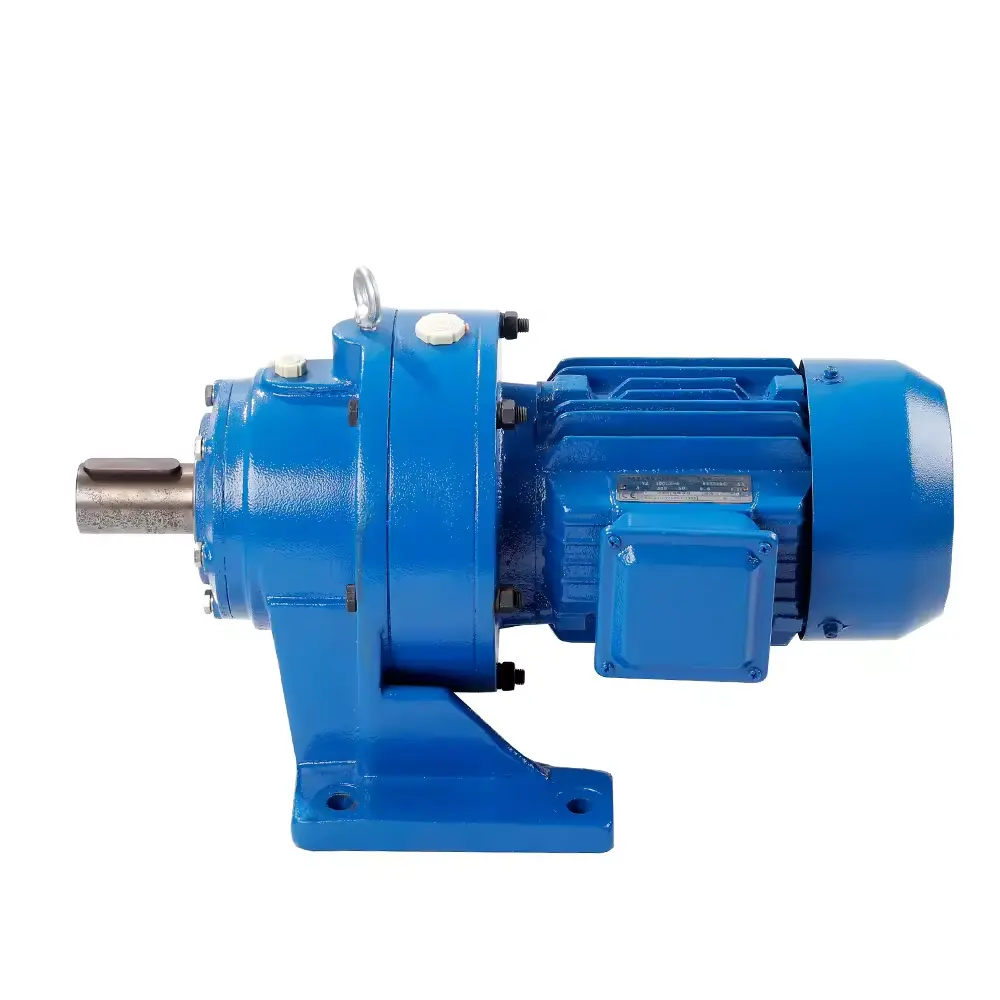
Automated packaging lines demand exceptional precision and reliability to maintain consistent production speeds while ensuring product quality. A compact speed reducer serves as the critical mechanical component that transforms high-speed motor output into precisely controlled, lower-speed rotation for packaging equipment. These sophisticated transmission devices enable manufacturers to achieve the exact speed ratios required for filling, sealing, labeling, and conveying operations across diverse packaging applications.
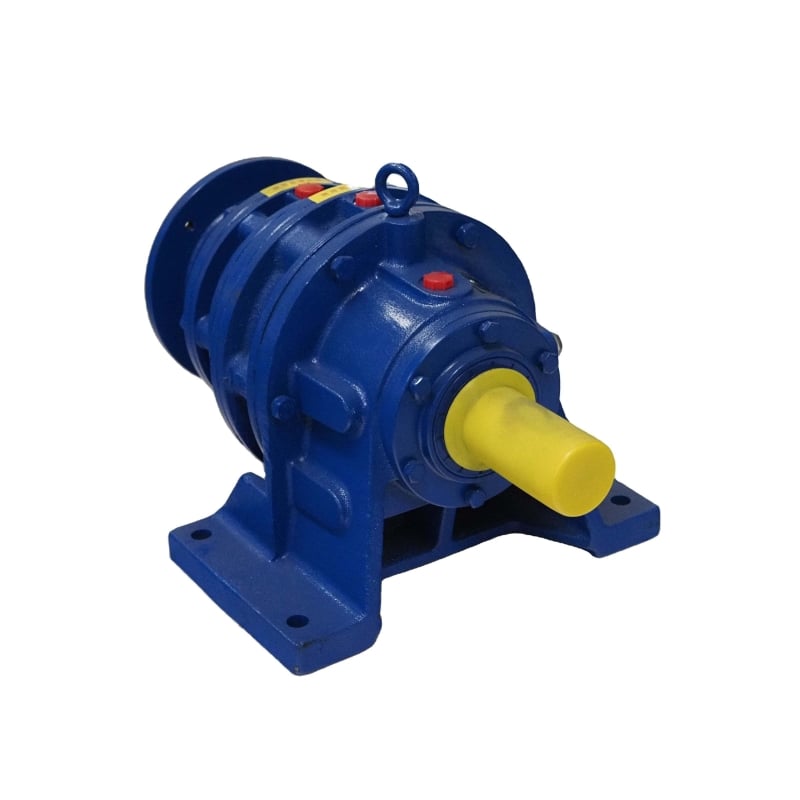
Modern packaging facilities rely on advanced speed reduction technology to synchronize multiple production stages while maintaining optimal throughput rates. The integration of compact speed reducer units allows engineers to design more efficient packaging systems with reduced footprints and enhanced operational flexibility. Understanding how these mechanical systems function and their impact on overall packaging performance helps manufacturers optimize their production lines for maximum efficiency and profitability.
Understanding Speed Reduction Technology in Packaging Applications
Fundamental Principles of Speed Reduction
Speed reduction technology operates on basic mechanical principles that convert high-speed, low-torque input into low-speed, high-torque output through gear train configurations. A compact speed reducer utilizes various gear arrangements, including planetary, cycloidal, and helical systems, to achieve specific reduction ratios while maintaining precise rotational control. The gear ratio determines the relationship between input and output speeds, allowing packaging equipment to operate at optimal velocities for different product handling requirements.
The mechanical advantage provided by speed reduction systems enables packaging machines to generate sufficient torque for handling heavy containers, applying closure forces, or driving conveyor systems. Advanced compact speed reducer designs incorporate precision-manufactured components with tight tolerances to minimize backlash and ensure consistent positioning accuracy throughout the packaging process.
Types of Speed Reducers for Packaging Equipment
Cycloidal speed reducers represent one of the most reliable solutions for packaging applications due to their exceptional shock resistance and precise positioning capabilities. These units feature a unique design where eccentric cams drive cycloidal discs through a series of pins, creating smooth, vibration-free operation ideal for delicate packaging operations. The compact speed reducer configuration allows for installation in confined spaces while delivering high reduction ratios in a single stage.
Planetary gear reducers offer another popular option for packaging machinery, providing excellent power density and efficiency ratings. These systems utilize multiple planet gears rotating around a central sun gear to distribute load forces evenly and achieve compact designs. The modular construction of planetary compact speed reducer units enables customization for specific packaging applications while maintaining standardized mounting interfaces for easy integration.
Precision Control Mechanisms in Modern Speed Reducers
Advanced Gear Design for Enhanced Accuracy
Contemporary compact speed reducer designs incorporate advanced manufacturing techniques to achieve exceptional positioning accuracy and repeatability. Precision-ground gear teeth with optimized tooth profiles minimize backlash while ensuring smooth power transmission throughout the operating range. Computer-controlled machining processes enable manufacturers to maintain tight tolerances across all gear components, resulting in consistent performance characteristics that meet demanding packaging industry requirements.
The implementation of hardened gear materials and specialized surface treatments extends operational life while maintaining precise dimensional stability under varying load conditions. These enhancements allow a compact speed reducer to maintain accuracy over millions of operational cycles, reducing maintenance requirements and ensuring consistent packaging quality throughout extended production runs.
Integrated Control Systems and Feedback Mechanisms
Modern packaging applications often require integration between mechanical speed reducers and electronic control systems to achieve optimal performance. Compact speed reducer units can be equipped with position encoders, torque sensors, and temperature monitoring systems to provide real-time feedback for process control algorithms. This integration enables automatic adjustment of operating parameters based on product characteristics, line speed requirements, and quality specifications.
The combination of mechanical precision and electronic control creates packaging systems capable of adapting to changing production demands while maintaining consistent output quality. Servo motor integration with compact speed reducer technology enables precise positioning control for applications requiring exact product placement, seal timing, or label positioning accuracy.
Applications Across Different Packaging Processes
Filling and Dosing Operations
Filling operations require precise speed control to ensure accurate product volumes while minimizing waste and maintaining production efficiency. A compact speed reducer enables filling equipment to operate at consistent speeds regardless of product viscosity variations or container size changes. The smooth, controlled motion provided by quality speed reduction systems prevents splashing, foaming, or other filling issues that can compromise product quality or create cleanup requirements.
Dosing applications particularly benefit from the exceptional precision offered by advanced compact speed reducer designs. Whether handling powders, liquids, or granular materials, the ability to maintain exact rotational speeds ensures consistent portion control throughout the packaging process. This precision directly impacts product consistency, regulatory compliance, and overall operational efficiency in food, pharmaceutical, and chemical packaging applications.
Sealing and Closure Applications
Packaging sealing operations demand precise timing and force control to achieve reliable closures while preventing product contamination or package damage. Speed reducers enable sealing equipment to operate at optimal speeds for different seal types, including heat seals, ultrasonic bonds, and mechanical closures. The torque multiplication provided by compact speed reducer systems ensures adequate sealing force while maintaining gentle handling of packaging materials.
Temperature-sensitive sealing applications particularly benefit from the controlled motion characteristics of quality speed reduction systems. By maintaining consistent sealing speeds and dwell times, packaging equipment can achieve optimal seal strength while preventing overheating or thermal damage to products or packaging materials. This control capability becomes increasingly important as packaging materials evolve to include sustainable and biodegradable options with specific processing requirements.
Design Considerations for Packaging Line Integration
Space Constraints and Mounting Requirements
Packaging equipment designers face increasing pressure to maximize functionality while minimizing overall system footprint. A compact speed reducer addresses these challenges by providing high performance in reduced envelope dimensions, enabling more efficient packaging line layouts. The availability of various mounting configurations, including flange, foot, and shaft-mounted options, allows engineers to optimize installation arrangements for specific space constraints and accessibility requirements.
Modular design approaches enable packaging equipment manufacturers to standardize compact speed reducer interfaces across multiple machine types while maintaining flexibility for custom applications. This standardization reduces inventory requirements, simplifies maintenance procedures, and accelerates new product development cycles. The integration of standardized components also facilitates easier troubleshooting and component replacement during production operations.
Environmental and Operating Conditions
Packaging environments present unique challenges including exposure to cleaning chemicals, temperature variations, moisture, and contamination from packaging materials. Quality compact speed reducer designs incorporate appropriate sealing systems, corrosion-resistant materials, and protective coatings to ensure reliable operation under these demanding conditions. Food-grade lubrication systems and stainless steel construction options enable compliance with strict hygiene requirements in food and pharmaceutical packaging applications.
The ability to operate effectively across wide temperature ranges becomes particularly important for packaging lines handling both ambient and temperature-controlled products. Advanced compact speed reducer designs maintain consistent performance characteristics whether processing frozen foods, hot-filled beverages, or temperature-sensitive pharmaceuticals, ensuring reliable operation regardless of product thermal requirements.
Performance Benefits and Operational Advantages
Enhanced Production Efficiency
The implementation of high-quality speed reduction systems directly impacts overall packaging line efficiency through improved reliability and reduced downtime. A well-designed compact speed reducer operates for extended periods without requiring maintenance intervention, allowing packaging lines to achieve higher overall equipment effectiveness ratings. The smooth, consistent operation provided by precision gear systems reduces wear on downstream components and minimizes the vibration that can affect product quality or equipment alignment.
Energy efficiency considerations become increasingly important as manufacturers seek to reduce operational costs and environmental impact. Modern compact speed reducer designs achieve high efficiency ratings through optimized gear geometries, advanced lubrication systems, and precision manufacturing techniques. These improvements translate into reduced energy consumption, lower heat generation, and extended component life, contributing to more sustainable packaging operations.
Quality Control and Product Consistency
Consistent packaging quality depends heavily on the precision and repeatability of packaging equipment operations. Speed reducers provide the mechanical foundation for achieving repeatable positioning, timing, and force application across all packaging processes. The elimination of speed variations and positioning errors directly improves package appearance, seal integrity, and overall product presentation, contributing to enhanced brand image and customer satisfaction.
Statistical process control systems benefit from the consistent mechanical performance provided by quality compact speed reducer technology. By minimizing process variation sources related to speed control and positioning, packaging operations can achieve tighter control limits and improved capability indices. This enhanced process control capability supports lean manufacturing initiatives and quality management system requirements across diverse packaging applications.
Maintenance and Service Considerations
Preventive Maintenance Strategies
Effective maintenance programs for packaging equipment emphasize preventive approaches that minimize unscheduled downtime while maximizing component life. Regular inspection of compact speed reducer units includes monitoring for unusual noise, vibration, temperature increases, or lubrication leakage that could indicate developing issues. Established maintenance schedules based on operating hours, cycles, or time intervals help ensure optimal performance while avoiding premature component replacement.
Lubrication management represents a critical aspect of speed reducer maintenance, with proper lubricant selection and change intervals directly impacting operational life and performance consistency. Modern compact speed reducer designs often incorporate sealed lubrication systems that extend service intervals while maintaining optimal lubrication conditions. Understanding the relationship between operating conditions, load factors, and lubrication requirements enables maintenance teams to optimize service schedules for specific applications.
Troubleshooting and Performance Monitoring
Advanced packaging operations increasingly utilize condition monitoring technologies to track compact speed reducer performance and predict maintenance requirements. Vibration analysis, thermal imaging, and oil analysis programs provide early warning of developing issues before they impact production operations. These monitoring approaches enable transition from reactive maintenance practices to predictive strategies that optimize equipment availability and reduce total cost of ownership.
When performance issues do occur, systematic troubleshooting approaches help identify root causes and implement effective corrective actions. Common issues with speed reduction systems include backlash development, efficiency degradation, noise increases, or positioning accuracy problems. Understanding the relationship between symptoms and underlying causes enables maintenance teams to address problems effectively while implementing measures to prevent recurrence.
Future Developments in Speed Reduction Technology
Smart Integration and Industry 4.0 Connectivity
The evolution toward Industry 4.0 manufacturing concepts drives development of intelligent speed reduction systems with integrated sensors, communication capabilities, and predictive analytics. Future compact speed reducer designs will incorporate embedded monitoring systems that continuously track performance parameters and communicate status information to centralized control systems. This connectivity enables real-time optimization of packaging operations based on actual equipment performance rather than predetermined settings.
Machine learning algorithms applied to speed reducer performance data will enable predictive maintenance strategies that optimize service timing while minimizing maintenance costs. The integration of artificial intelligence with mechanical systems represents a significant advancement in packaging equipment capability, promising improved efficiency and reduced operational complexity for future packaging operations.
Advanced Materials and Manufacturing Techniques
Ongoing developments in materials science and manufacturing technology continue to improve compact speed reducer performance and durability. Advanced gear materials, including powder metallurgy compositions and specialized surface treatments, offer enhanced wear resistance and load capacity in compact configurations. These material improvements enable higher power density designs while extending operational life under demanding packaging applications.
Additive manufacturing technologies show promise for producing complex gear geometries and internal structures that optimize performance while reducing weight and space requirements. As these technologies mature, they may enable custom compact speed reducer designs tailored to specific packaging applications while maintaining cost-effective production volumes.
FAQ
What factors determine the selection of a compact speed reducer for packaging applications?
Selection criteria include required torque capacity, speed reduction ratio, mounting configuration, environmental conditions, and precision requirements. The specific packaging process, product characteristics, and production speed requirements also influence the optimal speed reducer configuration. Additionally, space constraints, maintenance accessibility, and integration requirements with existing equipment must be considered during the selection process.
How do compact speed reducers improve energy efficiency in packaging operations?
Quality speed reducers achieve high mechanical efficiency through precision manufacturing, optimized gear geometries, and advanced lubrication systems. By reducing energy losses during power transmission, these systems lower overall power consumption while generating less heat. The improved efficiency translates into reduced utility costs and smaller cooling requirements for packaging facilities, contributing to more sustainable operations.
What maintenance practices ensure optimal performance from packaging speed reducers?
Regular maintenance includes periodic lubrication system inspection, monitoring for unusual noise or vibration, and checking mounting integrity. Proper lubricant selection and change intervals based on operating conditions help maintain optimal performance. Additionally, alignment verification, seal inspection, and performance parameter monitoring contribute to extended operational life and consistent packaging quality.
How does speed reducer precision affect overall packaging quality?
Precision speed control directly impacts package consistency, seal quality, and product positioning accuracy. Variations in speed or positioning can result in improper fill levels, poor seal integrity, or misaligned labels, affecting product appearance and functionality. High-precision compact speed reducer systems minimize these variations, ensuring consistent packaging quality and reducing waste throughout production operations.
Table of Contents
- Understanding Speed Reduction Technology in Packaging Applications
- Precision Control Mechanisms in Modern Speed Reducers
- Applications Across Different Packaging Processes
- Design Considerations for Packaging Line Integration
- Performance Benefits and Operational Advantages
- Maintenance and Service Considerations
- Future Developments in Speed Reduction Technology
-
FAQ
- What factors determine the selection of a compact speed reducer for packaging applications?
- How do compact speed reducers improve energy efficiency in packaging operations?
- What maintenance practices ensure optimal performance from packaging speed reducers?
- How does speed reducer precision affect overall packaging quality?