 EN
EN
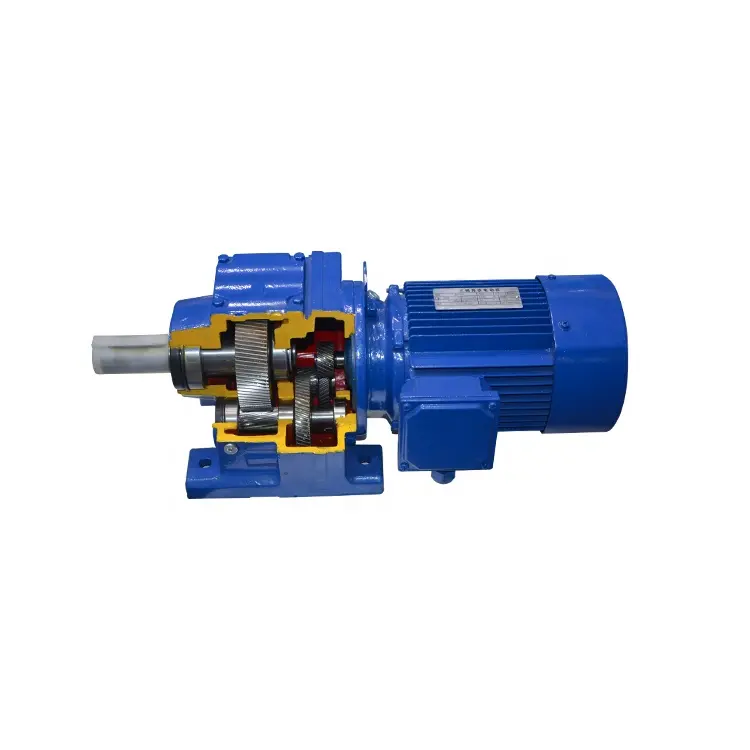
Modern industrial conveyor systems demand precision, reliability, and maximum operational efficiency to meet today's production requirements. At the heart of these sophisticated systems lie gear reducers, mechanical components that transform high-speed motor output into controlled, powerful motion suitable for conveyor applications. These essential devices have evolved significantly, incorporating advanced materials, precision engineering, and innovative design features that deliver substantial performance improvements across diverse industrial sectors.
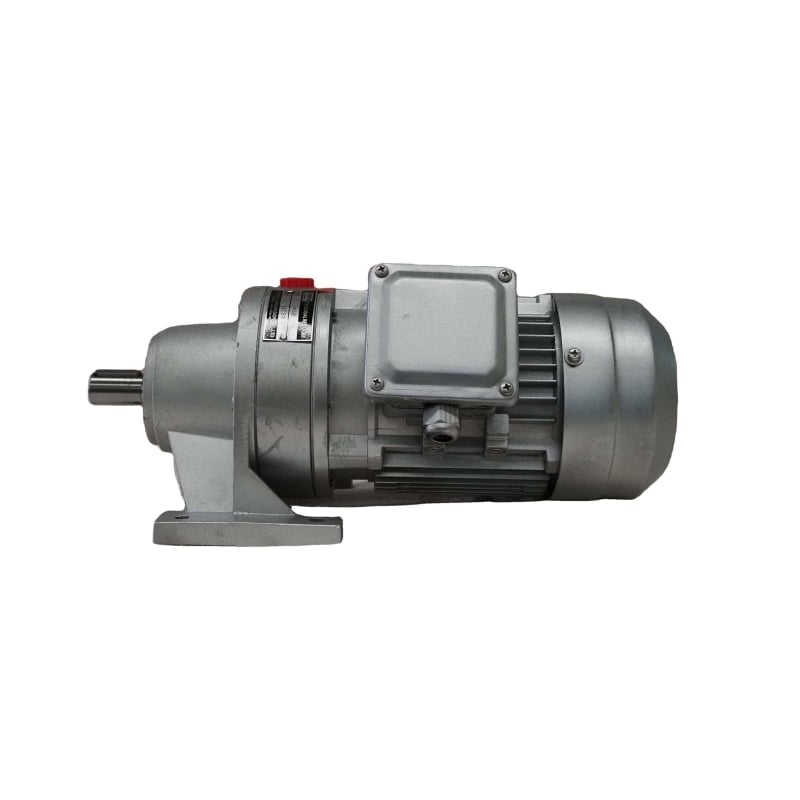
Contemporary manufacturing environments require conveyor systems that operate with minimal downtime while maintaining consistent throughput rates. Gear reducers play a pivotal role in achieving these objectives by providing precise speed reduction ratios, enhanced torque multiplication, and improved energy transfer efficiency. The integration of modern gear reducers into conveyor systems results in measurable improvements in operational performance, reduced maintenance requirements, and extended equipment lifespan.
The technological advancement in gear reducer design has addressed traditional limitations associated with older mechanical systems. Modern units incorporate sophisticated sealing systems, advanced lubrication technologies, and precision-manufactured components that significantly reduce friction losses and mechanical wear. These improvements translate directly into enhanced system efficiency, reduced energy consumption, and improved overall equipment effectiveness across various conveyor applications.
Enhanced Power Transmission Efficiency
Advanced Gear Train Design
Modern gear reducers utilize sophisticated gear train configurations that maximize power transmission efficiency while minimizing energy losses. These advanced designs incorporate helical and planetary gear arrangements that distribute loads more evenly across multiple contact points, reducing stress concentrations and improving overall mechanical efficiency. The precision manufacturing processes employed in contemporary gear reducer production ensure optimal gear mesh characteristics, resulting in smoother operation and reduced power losses during transmission.
The implementation of computer-aided design and finite element analysis in gear reducer development has enabled engineers to optimize gear tooth profiles for maximum efficiency. These refined profiles reduce sliding friction between meshing gears while maintaining strong load-carrying capacity. The result is gear reducers that achieve efficiency ratings exceeding 95% in many applications, representing significant improvements over traditional designs that typically operated at 85-90% efficiency levels.
Precision Manufacturing Tolerances
Contemporary gear reducers benefit from advanced manufacturing technologies that achieve extremely tight dimensional tolerances and superior surface finishes. These precision manufacturing capabilities ensure consistent gear tooth contact patterns, reduced backlash, and minimized mechanical losses throughout the power transmission path. The improved manufacturing precision directly translates into enhanced efficiency and more predictable performance characteristics across varying operational conditions.
Quality control processes in modern gear reducer manufacturing include comprehensive dimensional inspection, material property verification, and performance testing under simulated operational conditions. These rigorous quality assurance measures ensure that each unit meets specified efficiency standards and performance requirements. The consistency achieved through precision manufacturing enables conveyor system designers to accurately predict system performance and optimize overall installation efficiency.
Improved Torque Delivery Characteristics
Enhanced Load Handling Capacity
Modern gear reducers demonstrate superior torque delivery characteristics compared to previous generations, enabling conveyor systems to handle heavier loads with improved reliability. The advanced materials and heat treatment processes used in contemporary gear reducer manufacturing result in components with higher strength-to-weight ratios and improved fatigue resistance. These enhancements allow gear reducers to deliver higher torque outputs while maintaining compact form factors suitable for space-constrained conveyor installations.
The torque multiplication capabilities of modern gear reducers enable conveyor systems to operate efficiently across wider speed ranges while maintaining optimal performance characteristics. This versatility allows system operators to adjust conveyor speeds based on production requirements without compromising system efficiency or reliability. The improved torque delivery characteristics also enable the use of smaller, more energy-efficient motors while achieving the same or better conveyor performance levels.
Dynamic Load Response
Contemporary gear reducers incorporate design features that improve dynamic load response and minimize torsional vibrations in conveyor systems. Advanced damping mechanisms and optimized gear geometry help absorb shock loads and reduce the transmission of vibrations throughout the mechanical system. These improvements result in smoother conveyor operation, reduced mechanical stress on system components, and extended equipment service life.
The enhanced dynamic characteristics of modern gear reducers contribute to improved product handling quality in conveyor applications. Reduced vibration levels minimize product displacement and damage during transport, while smoother operation reduces noise levels in the working environment. These operational improvements enhance both product quality and workplace conditions while maintaining high system throughput rates.
Advanced Lubrication and Sealing Systems
Extended Service Intervals
Modern gear reducers incorporate advanced lubrication systems that significantly extend service intervals while maintaining optimal operating performance. Synthetic lubricants with superior thermal stability and load-carrying capacity enable extended drain intervals and reduced maintenance requirements. These advanced lubricants also provide better protection against wear and corrosion, contributing to extended component service life and improved overall system reliability.
The lubrication systems in contemporary gear reducers often include features such as sight gauges, breather systems, and temperature monitoring capabilities that enhance maintenance planning and system monitoring. These features enable predictive maintenance approaches that minimize unexpected downtime while optimizing lubricant change intervals based on actual operating conditions rather than arbitrary time schedules.
Improved Environmental Protection
Contemporary gear reducers feature enhanced sealing systems that provide superior protection against environmental contaminants while preventing lubricant leakage. Advanced seal designs utilize modern elastomeric materials and precision manufacturing techniques to achieve extended service life and reliable performance under challenging operating conditions. These improved sealing systems are particularly beneficial in conveyor applications where dust, moisture, or chemical exposure could compromise system performance.
The environmental protection capabilities of modern gear reducers enable their use in demanding applications such as food processing, pharmaceutical manufacturing, and outdoor installations where traditional units might experience premature failure. The enhanced sealing systems also contribute to improved workplace safety by preventing lubricant leaks that could create slip hazards or environmental contamination issues.
Energy Consumption Optimization
Reduced Parasitic Losses
Modern gear reducers achieve significant reductions in parasitic losses through advanced design optimization and precision manufacturing. Improved bearing selection, optimized seal design, and refined lubrication systems combine to minimize energy losses that do not contribute to useful work output. These efficiency improvements are particularly beneficial in continuous-duty conveyor applications where even small percentage improvements in efficiency can result in substantial energy cost savings over time.
The reduction in parasitic losses also contributes to lower operating temperatures in gear reducers, which extends lubricant life and reduces thermal stress on system components. Lower operating temperatures improve overall system reliability and reduce the need for additional cooling systems in high-duty-cycle applications. This thermal efficiency improvement is especially valuable in enclosed conveyor installations where heat dissipation may be limited.
Variable Speed Operation Capabilities
Contemporary gear reducers are designed to maintain high efficiency across wide speed ranges, enabling effective integration with variable frequency drives and other speed control systems. This capability allows conveyor systems to optimize energy consumption by adjusting operating speeds based on production requirements and load conditions. The maintained efficiency at variable speeds enables significant energy savings compared to systems that operate at fixed speeds regardless of actual throughput requirements.
The variable speed capabilities of modern gear reducers also enable implementation of energy recovery systems in applications where conveyor sections operate at different elevations. Downhill conveyor sections can contribute power back to the system, reducing overall energy consumption and improving operational efficiency. This regenerative capability is particularly valuable in large-scale material handling installations with multiple conveyor segments operating at different elevations.
Integration with Smart Monitoring Systems
Predictive Maintenance Capabilities
Modern gear reducers increasingly incorporate features that enable integration with smart monitoring and predictive maintenance systems. Vibration monitoring ports, temperature sensors, and lubricant condition monitoring capabilities provide real-time insight into system health and performance characteristics. These monitoring capabilities enable maintenance teams to identify potential issues before they result in system failures, reducing unplanned downtime and maintenance costs.
The data collected from integrated monitoring systems can be analyzed using advanced algorithms to predict remaining component life and optimize maintenance schedules. This predictive approach to maintenance planning maximizes equipment availability while minimizing maintenance costs and inventory requirements. The ability to trend performance parameters over time also enables continuous optimization of system operating conditions for maximum efficiency and reliability.
Performance Analytics and Optimization
Smart monitoring integration enables comprehensive performance analytics that help identify optimization opportunities in conveyor system operations. Real-time efficiency monitoring, load analysis, and power consumption tracking provide valuable insights into system performance characteristics and potential improvement areas. This data-driven approach to system optimization enables continuous improvement in operational efficiency and cost-effectiveness.
The performance data collected from modern gear reducers can be integrated with broader facility management systems to optimize overall production efficiency. Energy consumption patterns, maintenance requirements, and operational performance metrics can be analyzed in conjunction with production schedules and throughput requirements to identify optimal operating strategies. This integrated approach to system management maximizes the efficiency gains achievable through modern gear reducer technology.
Cost-Effectiveness and Return on Investment
Lifecycle Cost Considerations
The efficiency gains delivered by modern gear reducers translate directly into measurable cost savings through reduced energy consumption, extended maintenance intervals, and improved system reliability. While the initial investment in advanced gear reducers may be higher than traditional alternatives, the lifecycle cost benefits typically provide attractive returns on investment within 12-24 months of operation. These economic benefits are particularly pronounced in continuous-duty applications where energy costs represent a significant portion of total operating expenses.
The extended service life of modern gear reducers also contributes to improved lifecycle cost-effectiveness by reducing replacement frequency and associated installation costs. Advanced materials and manufacturing processes result in components that can operate reliably for 15-20 years or more under normal operating conditions, compared to 8-12 years for traditional designs. This extended service life reduces long-term capital expenditure requirements while minimizing system downtime associated with equipment replacement activities.
Productivity Enhancement Benefits
Modern gear reducers contribute to enhanced productivity through improved system reliability, reduced maintenance requirements, and more consistent operational performance. The reduced downtime associated with advanced gear reducer technology enables higher overall equipment effectiveness and improved production throughput. These productivity improvements often provide economic benefits that exceed the direct cost savings from improved energy efficiency.
The enhanced control characteristics of modern gear reducers also enable implementation of more sophisticated conveyor control strategies that optimize material flow and reduce production bottlenecks. Improved speed regulation, reduced backlash, and enhanced dynamic response characteristics contribute to more efficient material handling processes and reduced product damage rates. These operational improvements enhance overall production effectiveness while reducing product loss and quality issues.
FAQ
How much energy savings can be expected from upgrading to modern gear reducers?
Modern gear reducers typically deliver energy savings of 8-15% compared to traditional designs, with some applications achieving even higher savings. The actual savings depend on operating conditions, duty cycle, and the age of the equipment being replaced. In continuous-duty conveyor applications, these efficiency improvements can result in substantial cost savings over the equipment lifecycle, often justifying the upgrade investment within 18-24 months through reduced energy costs alone.
What maintenance advantages do modern gear reducers offer?
Contemporary gear reducers require significantly less maintenance than traditional designs due to improved lubrication systems, enhanced sealing, and precision manufacturing. Typical service intervals are extended by 50-100%, and many units include monitoring capabilities that enable predictive maintenance approaches. This results in reduced maintenance labor costs, lower inventory requirements, and minimized unplanned downtime, contributing to improved overall equipment effectiveness and operational cost reduction.
Are modern gear reducers compatible with existing conveyor control systems?
Most modern gear reducers are designed for seamless integration with existing conveyor control systems and variable frequency drives. They maintain consistent efficiency across wide speed ranges and provide improved control characteristics compared to older designs. Many units also include features that enhance integration with smart monitoring systems and Industry 4.0 platforms, enabling advanced analytics and optimization capabilities without requiring extensive control system modifications.
What factors should be considered when selecting gear reducers for conveyor applications?
Key selection factors include torque requirements, speed reduction ratios, duty cycle characteristics, environmental conditions, and integration requirements with existing systems. Modern gear reducers offer various configuration options including mounting arrangements, shaft configurations, and optional features such as monitoring capabilities. Working with experienced application engineers ensures optimal selection based on specific operational requirements and performance objectives while maximizing the efficiency gains and cost benefits available from modern gear reducer technology.
Table of Contents
- Enhanced Power Transmission Efficiency
- Improved Torque Delivery Characteristics
- Advanced Lubrication and Sealing Systems
- Energy Consumption Optimization
- Integration with Smart Monitoring Systems
- Cost-Effectiveness and Return on Investment
-
FAQ
- How much energy savings can be expected from upgrading to modern gear reducers?
- What maintenance advantages do modern gear reducers offer?
- Are modern gear reducers compatible with existing conveyor control systems?
- What factors should be considered when selecting gear reducers for conveyor applications?