
 EN
EN
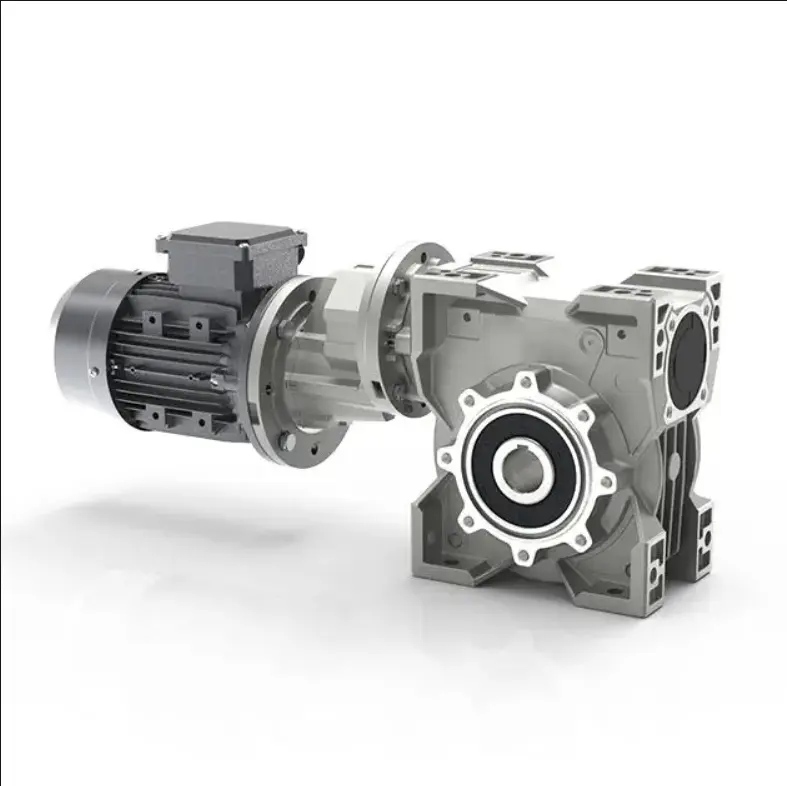
Industrial machinery demands exceptional precision and power transmission efficiency to maintain competitive manufacturing operations. A precision gear reducer serves as the critical mechanical component that transforms high-speed, low-torque motor output into low-speed, high-torque power suitable for heavy-duty applications. This mechanical advantage enables manufacturers to optimize their equipment performance while reducing energy consumption and operational costs across diverse industrial sectors.
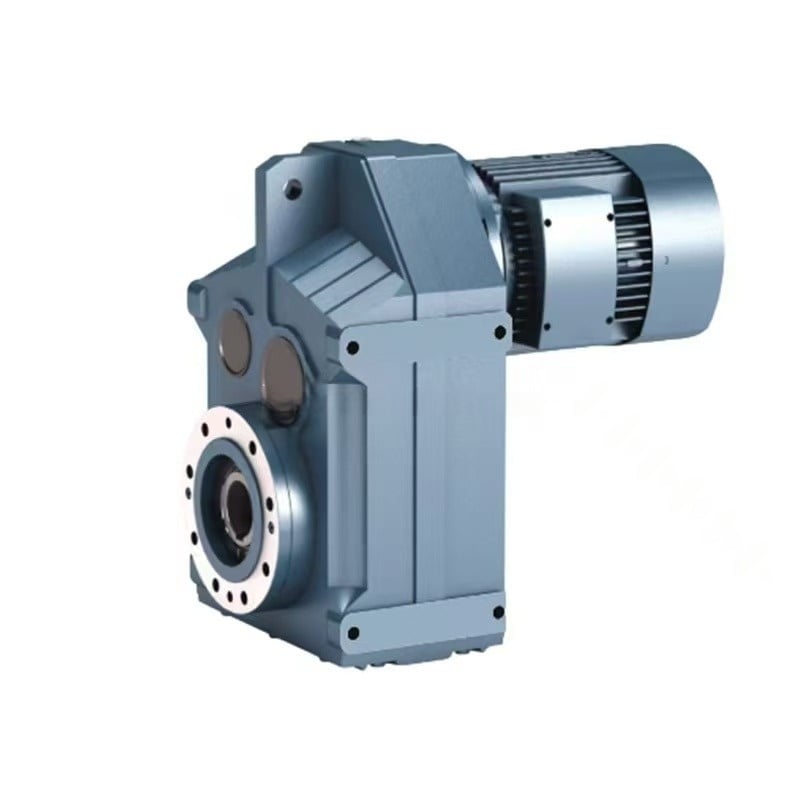
The fundamental principle behind precision gear reducer technology involves sophisticated gear train configurations that multiply torque while proportionally decreasing rotational speed. Modern industrial applications require consistent power delivery with minimal backlash and maximum reliability. Understanding how these mechanical systems function provides manufacturers with valuable insights for selecting appropriate power transmission solutions that enhance productivity and extend equipment lifespan.
Understanding Torque Multiplication Principles
Mechanical Advantage Through Gear Ratios
The core functionality of a precision gear reducer relies on fundamental mechanical advantage principles established through carefully calculated gear ratios. When a smaller driving gear meshes with a larger driven gear, the system creates a mechanical advantage that multiplies input torque while reducing output speed. This relationship follows the inverse proportionality law where torque increase equals the gear ratio multiplied by input torque, minus efficiency losses.
Engineers design precision gear reducer systems with specific gear ratios ranging from simple 2:1 configurations to complex planetary arrangements exceeding 1000:1 reduction ratios. The selection of appropriate gear ratios depends on application requirements including load characteristics, speed specifications, and torque demands. Higher reduction ratios provide greater torque multiplication but require more sophisticated gear train designs to maintain precision and minimize backlash.
Advanced precision gear reducer designs incorporate multiple gear stages to achieve desired reduction ratios while maintaining compact form factors. Multi-stage configurations distribute mechanical loads across several gear interfaces, reducing stress concentrations and extending operational life. This design approach enables manufacturers to specify precision gear reducer systems that deliver consistent performance under demanding industrial conditions.
Power Transmission Efficiency Considerations
Efficiency represents a critical performance parameter for precision gear reducer applications in industrial machinery. Modern reducer designs achieve efficiency ratings exceeding 95% through advanced gear tooth geometries, premium materials, and precision manufacturing processes. High efficiency ensures maximum power transfer from motor to load while minimizing energy losses that generate heat and reduce system reliability.
The precision gear reducer efficiency depends on several factors including gear quality, lubrication systems, bearing specifications, and manufacturing tolerances. Premium reducers utilize precision-ground gear teeth with optimized contact patterns that minimize friction and wear. Advanced surface treatments and specialized lubricants further enhance efficiency by reducing internal friction and protecting critical wear surfaces during extended operation.
Thermal management becomes increasingly important in precision gear reducer applications where continuous operation generates significant heat loads. Efficient designs incorporate heat dissipation features including ribbed housings, cooling fins, and forced ventilation systems. Proper thermal management maintains lubricant viscosity within optimal ranges while preventing thermal expansion that could affect gear mesh precision and overall system performance.
Industrial Applications and Performance Benefits
Manufacturing Equipment Integration
Manufacturing environments demand robust precision gear reducer solutions that deliver consistent performance under varying load conditions. Automated production lines, CNC machining centers, and material handling systems rely on precision reducers to provide accurate positioning control and reliable power transmission. These applications require minimal backlash to ensure precise movement control while maintaining sufficient torque capacity for heavy-duty operations.
Precision gear reducer technology enables manufacturers to optimize motor selection by matching high-speed motor characteristics with low-speed application requirements. This approach provides significant cost advantages by utilizing smaller, more efficient motors while achieving required torque specifications through mechanical advantage. The result is reduced energy consumption, lower initial equipment costs, and simplified maintenance requirements across diverse manufacturing applications.
Modern precision gear reducer designs accommodate complex motion profiles including variable speed operation, frequent starts and stops, and bidirectional rotation. Advanced bearing systems and gear geometries minimize wear during dynamic operation while maintaining positional accuracy throughout extended duty cycles. These performance characteristics make precision reducers ideal for sophisticated manufacturing processes requiring precise motion control and reliable power transmission.
Heavy Industry Power Transmission
Heavy industrial applications including mining equipment, steel processing machinery, and construction equipment require precision gear reducer systems capable of handling extreme loads and harsh operating environments. These applications demand robust construction with oversized components, premium materials, and specialized sealing systems to ensure reliable operation under challenging conditions.
The precision gear reducer design for heavy industry applications incorporates reinforced housings, oversized bearings, and hardened gear teeth to withstand shock loads and continuous high-torque operation. Advanced metallurgy and heat treatment processes ensure gear teeth maintain precise geometry under extreme loads while resisting wear and fatigue failure. These design features enable precision reducers to deliver consistent performance throughout extended operational life in demanding industrial environments.
Maintenance considerations for heavy industry precision gear reducer applications focus on lubrication management, seal integrity, and component inspection schedules. Proper maintenance practices extend operational life while maintaining performance specifications. Advanced condition monitoring systems enable predictive maintenance strategies that minimize unplanned downtime while optimizing maintenance intervals based on actual operating conditions rather than fixed schedules.
Selection Criteria and Specification Guidelines
Load Analysis and Sizing Requirements
Proper precision gear reducer selection requires comprehensive analysis of application loads including continuous torque, peak torque, and dynamic load factors. Engineers must consider both static loads from constant operation and dynamic loads from acceleration, deceleration, and shock conditions. This analysis ensures selected reducer specifications provide adequate safety margins while avoiding oversizing that increases costs and reduces efficiency.
Service factor calculations play a crucial role in precision gear reducer sizing by accounting for application-specific variables including duty cycle, ambient conditions, and expected service life. Different industrial applications require different service factors based on load characteristics and operational requirements. Heavy-duty applications with frequent cycling require higher service factors compared to steady-state applications with consistent loads.
Speed specifications for precision gear reducer applications must account for both input speed from the motor and required output speed for the driven equipment. The relationship between these speeds determines the required gear ratio while considering efficiency losses and thermal limitations. Proper speed analysis ensures selected reducers operate within optimal speed ranges for maximum efficiency and extended service life.
Environmental and Mounting Considerations
Environmental factors significantly influence precision gear reducer selection including ambient temperature, humidity, contamination levels, and exposure to corrosive substances. Harsh environments require specialized sealing systems, corrosion-resistant materials, and enhanced protection ratings to ensure reliable operation. These environmental considerations affect both initial specification and long-term maintenance requirements.
Mounting configuration options for precision gear reducer systems include foot-mounted, flange-mounted, and shaft-mounted designs to accommodate diverse installation requirements. Each mounting style offers specific advantages depending on space constraints, alignment requirements, and maintenance accessibility. Proper mounting selection ensures optimal load distribution while facilitating installation and service procedures.
Precision gear reducer specifications must accommodate thermal expansion effects that occur during operation. Temperature variations affect gear mesh clearances, bearing preloads, and housing dimensions. Advanced designs incorporate thermal compensation features that maintain precision throughout operating temperature ranges while preventing binding or excessive clearances that could affect performance.
Maintenance and Reliability Optimization
Lubrication System Management
Proper lubrication represents the most critical factor affecting precision gear reducer reliability and service life. Advanced synthetic lubricants provide superior performance compared to conventional mineral oils through enhanced thermal stability, reduced friction coefficients, and extended drain intervals. The selection of appropriate lubricant viscosity depends on operating temperatures, load conditions, and speed requirements specific to each application.
Lubrication system design for precision gear reducer applications includes considerations for lubricant distribution, contamination control, and condition monitoring. Splash lubrication systems provide adequate coverage for moderate-speed applications while forced circulation systems ensure proper lubrication for high-speed or heavy-load conditions. Advanced filtration systems remove contaminants that could cause premature wear or damage to precision gear surfaces.
Oil analysis programs enable predictive maintenance strategies by monitoring lubricant condition and wear debris levels. Regular oil sampling reveals developing problems before they cause catastrophic failures, allowing maintenance teams to schedule repairs during planned downtime. This proactive approach minimizes unexpected failures while optimizing maintenance costs and equipment availability.
Component Inspection and Replacement Strategies
Systematic inspection procedures for precision gear reducer components focus on gear tooth condition, bearing wear, and seal integrity. Visual inspections reveal surface damage, wear patterns, and contamination issues while dimensional measurements track component wear progression. Advanced inspection techniques including vibration analysis and thermal imaging provide additional diagnostic information for condition assessment.
Replacement part availability and interchangeability considerations affect long-term maintenance costs for precision gear reducer systems. Standardized component designs enable cost-effective parts inventory management while reducing downtime for repairs. Premium reducer manufacturers provide comprehensive spare parts support with detailed documentation to facilitate maintenance procedures and ensure proper component installation.
Reconditioning and rebuild services extend precision gear reducer service life through professional restoration of worn components. These services include gear tooth recontouring, bearing replacement, housing repairs, and performance testing to restore original specifications. Professional rebuilds often provide cost-effective alternatives to complete unit replacement while ensuring continued reliable operation.
FAQ
What determines the optimal gear ratio for a precision gear reducer in industrial applications
The optimal gear ratio for a precision gear reducer depends on the relationship between motor speed characteristics and load requirements. Engineers calculate the required ratio by dividing motor speed by desired output speed, then adjust for efficiency losses and service factors. Applications requiring high torque multiplication need higher gear ratios, while applications prioritizing speed or positioning accuracy may use lower ratios. The final selection balances torque requirements, speed specifications, efficiency considerations, and cost factors specific to each industrial application.
How does backlash affect precision gear reducer performance in automated manufacturing
Backlash in precision gear reducer systems creates positional errors that accumulate during direction changes or precise positioning operations. Manufacturing applications requiring tight tolerances need reducers with minimal backlash, typically less than 3 arc-minutes for precision positioning systems. Excessive backlash causes inconsistent motion, reduced accuracy, and potential quality issues in manufactured products. Advanced precision gear reducer designs minimize backlash through precise manufacturing tolerances, optimized gear tooth geometry, and specialized bearing arrangements that maintain consistent gear mesh contact.
What maintenance indicators suggest a precision gear reducer needs service or replacement
Key maintenance indicators for precision gear reducer systems include abnormal noise levels, excessive vibration, elevated operating temperatures, and lubricant contamination. Visual inspection may reveal gear tooth wear, seal leakage, or housing damage requiring attention. Performance degradation symptoms include reduced efficiency, increased backlash, or positioning errors in precision applications. Oil analysis revealing elevated metal content or changed lubricant properties indicates internal wear requiring investigation. Regular monitoring of these indicators enables proactive maintenance that prevents catastrophic failures and extends equipment service life.
How do environmental conditions impact precision gear reducer selection and performance
Environmental conditions significantly affect precision gear reducer performance through temperature effects on lubricants, humidity impact on corrosion resistance, and contamination effects on gear surfaces. High-temperature applications require synthetic lubricants and enhanced cooling features, while low-temperature environments may need special cold-weather lubricants. Corrosive environments require stainless steel construction or specialized coatings for protection. Dusty or dirty conditions need improved sealing systems and contamination barriers. Proper environmental assessment ensures selected precision gear reducer specifications provide reliable operation throughout expected service conditions while minimizing maintenance requirements.
Table of Contents
- Understanding Torque Multiplication Principles
- Industrial Applications and Performance Benefits
- Selection Criteria and Specification Guidelines
- Maintenance and Reliability Optimization
-
FAQ
- What determines the optimal gear ratio for a precision gear reducer in industrial applications
- How does backlash affect precision gear reducer performance in automated manufacturing
- What maintenance indicators suggest a precision gear reducer needs service or replacement
- How do environmental conditions impact precision gear reducer selection and performance