 EN
EN
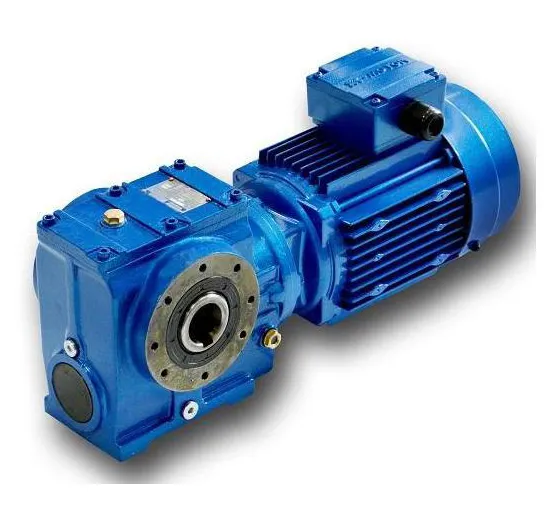
Manufacturing industries worldwide depend on reliable mechanical systems to maintain operational efficiency and productivity. An industrial gear reducer serves as a critical component in countless applications, transforming high-speed motor output into controlled, high-torque motion suitable for heavy-duty operations. These sophisticated mechanical devices enable precise speed control while amplifying torque, making them indispensable across diverse industrial sectors. Understanding the key applications and benefits of an industrial gear reducer helps engineers and facility managers make informed decisions about equipment selection and implementation.
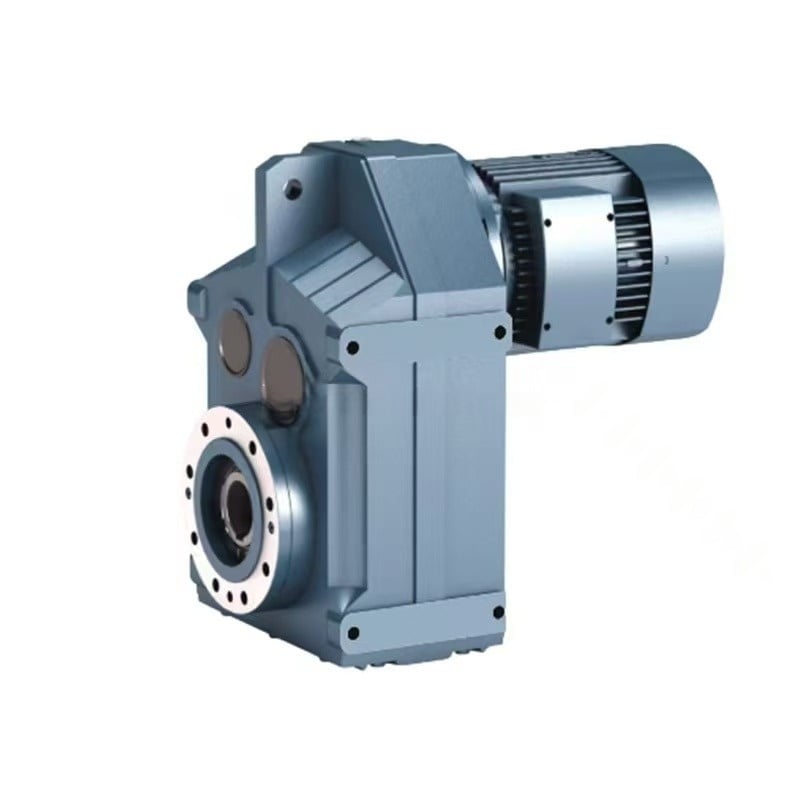
The versatility of an industrial gear reducer extends far beyond simple speed reduction, encompassing precision positioning, load distribution, and energy efficiency optimization. Modern manufacturing facilities utilize these devices in applications ranging from conveyor systems and robotic assemblies to heavy machinery and processing equipment. As industrial automation continues advancing, the demand for reliable gear reduction solutions grows exponentially, driving innovation in design, materials, and performance capabilities.
Core Functions and Operating Principles
Speed Reduction Mechanics
The primary function of an industrial gear reducer involves converting high-speed, low-torque input from electric motors into low-speed, high-torque output suitable for demanding applications. This mechanical transformation occurs through precisely engineered gear trains that multiply torque while proportionally reducing rotational speed. The gear ratio determines the relationship between input and output speeds, with common ratios ranging from 5:1 to several hundred to one depending on application requirements.
Internal gear arrangements within an industrial gear reducer typically employ helical, spur, or planetary configurations, each offering distinct advantages for specific applications. Helical gears provide smooth, quiet operation ideal for precision applications, while spur gears deliver maximum efficiency in high-load scenarios. Planetary gear systems offer compact designs with exceptional torque density, making them perfect for space-constrained installations.
Torque Amplification Capabilities
Torque multiplication represents another fundamental capability of an industrial gear reducer, enabling motors to drive loads far exceeding their direct-drive capacity. This amplification effect occurs naturally through gear ratio mechanics, where smaller input gears driving larger output gears create mechanical advantage. The resulting torque increase allows smaller, more efficient motors to operate heavy machinery, reducing overall energy consumption and equipment costs.
Advanced gear reducer designs incorporate multiple reduction stages to achieve extremely high torque outputs while maintaining compact footprints. Multi-stage configurations enable precise control over final output characteristics, allowing engineers to optimize performance for specific load requirements. This flexibility makes an industrial gear reducer suitable for applications ranging from delicate positioning systems to massive crushing equipment.
Manufacturing and Production Applications
Conveyor System Integration
Conveyor systems throughout manufacturing facilities rely heavily on industrial gear reducer technology to maintain consistent material flow and precise speed control. These applications demand reliable, continuous operation under varying load conditions, making gear reducer selection critical for system performance. Belt conveyors, chain conveyors, and roller systems all benefit from the controlled speed and high torque output provided by properly sized gear reducers.
Material handling operations frequently require variable speed capabilities to accommodate different product types and processing requirements. An industrial gear reducer paired with variable frequency drives enables precise speed adjustment while maintaining torque characteristics necessary for heavy loads. This combination provides exceptional flexibility for modern automated production lines.
Packaging Equipment Applications
Packaging machinery demands precise motion control and reliable performance to maintain product quality and throughput rates. An industrial gear reducer provides the controlled movement necessary for filling, sealing, labeling, and palletizing operations. These applications often require synchronized motion between multiple axes, making gear reducer precision and repeatability essential for coordinated operations.
High-speed packaging lines present unique challenges requiring gear reducers capable of rapid acceleration and deceleration while maintaining positional accuracy. Servo-quality gear reducers with minimal backlash ensure precise positioning during start-stop operations common in packaging applications. The durability of an industrial gear reducer becomes particularly important in continuous-duty packaging environments where downtime directly impacts production efficiency.
Heavy Industry and Construction Equipment
Mining and Quarrying Operations
Mining operations present some of the most demanding applications for industrial gear reducer technology, requiring equipment capable of handling extreme loads, harsh environments, and continuous operation. Crushers, mills, and screening equipment all depend on robust gear reducers to convert motor power into the massive torques necessary for material processing. These applications often involve impact loads and variable operating conditions that test equipment durability limits.
Underground mining equipment faces additional challenges including limited maintenance access and contaminated environments. An industrial gear reducer designed for mining applications must withstand dust, moisture, and temperature extremes while providing reliable service over extended periods. Sealed housing designs and premium lubricants help protect internal components from environmental contamination.
Steel and Metal Processing
Steel mills and metal processing facilities utilize industrial gear reducer systems throughout their operations, from raw material handling to finished product formation. Rolling mills require precise speed control and massive torque capabilities to shape metal products according to specifications. The gear reducer systems in these applications must handle both steady-state loads and sudden impact forces associated with material engagement.
Heat treatment equipment and furnace systems also rely on gear reducers for conveyor drives, door operators, and material handling mechanisms. These applications expose an industrial gear reducer to elevated temperatures and thermal cycling, requiring specialized designs with appropriate materials and lubrication systems. Thermal expansion compensation and robust sealing systems ensure reliable operation in high-temperature environments.
Automation and Robotics Integration
Robotic Joint Actuation
Industrial robotics applications demand exceptional precision and reliability from gear reduction systems, as positional accuracy directly affects product quality and cycle times. An industrial gear reducer in robotic joints must provide zero backlash operation while withstanding repeated acceleration and deceleration cycles. Harmonic drive and planetary gear designs excel in these applications, offering compact packages with high precision characteristics.
Multi-axis robotic systems require coordinated motion between multiple joints, making gear reducer performance consistency critical for overall system accuracy. Advanced robot controllers compensate for gear reducer characteristics, but fundamental precision and repeatability remain essential for optimal performance. Low-friction designs and precision manufacturing ensure an industrial gear reducer meets stringent robotic requirements.
Automated Assembly Systems
Automated assembly lines integrate numerous industrial gear reducer units to power various mechanisms including part feeders, positioning systems, and quality control equipment. These applications often require synchronized operation between multiple stations, making timing accuracy and speed stability important performance factors. Servo-quality gear reducers provide the precision necessary for coordinated assembly operations.
Flexible manufacturing systems utilize reconfigurable equipment that must accommodate different product types and assembly sequences. An industrial gear reducer with programmable positioning capabilities enables quick changeovers between production runs while maintaining accuracy standards. This adaptability becomes increasingly important as manufacturers embrace mass customization strategies.
Energy and Utilities Infrastructure
Wind Power Generation
Wind turbines represent one of the most visible applications for large-scale industrial gear reducer technology, converting slow rotor rotation into high-speed generator input necessary for efficient electricity production. These applications subject gear reducers to extreme environmental conditions including temperature variations, vibration, and varying wind loads. Specialized designs with enhanced sealing and robust bearing systems ensure reliable operation in remote locations with limited maintenance access.
Modern wind turbine gear boxes incorporate multiple reduction stages to achieve the speed increase necessary for optimal generator efficiency. An industrial gear reducer in wind applications must handle both steady-state operation and transient loads from wind gusts while maintaining efficiency to maximize power output. Advanced condition monitoring systems help predict maintenance requirements and prevent unexpected failures.
Water Treatment Facilities
Water and wastewater treatment plants utilize industrial gear reducer systems throughout their processes, from intake pumping to sludge handling equipment. Clarifier drives require precise, low-speed rotation to maintain proper settling conditions while consuming minimal energy. These applications often operate continuously for years, making reliability and efficiency primary selection criteria for an industrial gear reducer.
Chemical feed systems and dosing equipment also depend on gear reducers for accurate metering and mixing operations. Corrosive environments common in water treatment facilities require specialized materials and protective coatings to ensure long service life. An industrial gear reducer designed for these applications incorporates corrosion-resistant components and enhanced sealing systems.
Food and Pharmaceutical Processing
Mixing and Blending Equipment
Food processing operations require industrial gear reducer systems that meet strict hygiene standards while providing reliable performance in washdown environments. Mixing equipment for baking, confectionery, and beverage production demands precise speed control to achieve consistent product quality. Stainless steel construction and food-grade lubricants ensure an industrial gear reducer meets regulatory requirements for food contact applications.
Pharmaceutical manufacturing presents even more stringent requirements for cleanliness and contamination control. Gear reducers in pharmaceutical applications must incorporate smooth surfaces, crevice-free designs, and validation documentation to support FDA compliance. These specialized units often feature enhanced sealing systems to prevent lubricant contamination of pharmaceutical products.
Packaging and Filling Systems
High-speed filling and packaging lines in food and pharmaceutical industries rely on precise motion control provided by industrial gear reducer systems. These applications require rapid acceleration and deceleration capabilities while maintaining accuracy for portion control and package integrity. Servo-quality gear reducers with minimal backlash ensure consistent fill volumes and package sealing.
Clean-room environments common in pharmaceutical packaging demand specialized gear reducer designs with smooth, cleanable surfaces and appropriate material selections. An industrial gear reducer in these applications must withstand frequent cleaning cycles with harsh sanitizing chemicals while maintaining performance specifications. Sealed designs prevent contamination ingress and simplify cleaning procedures.
Performance Optimization and Selection Criteria
Load Analysis and Sizing
Proper selection of an industrial gear reducer begins with comprehensive load analysis including torque requirements, duty cycles, and environmental conditions. Peak torque calculations must account for starting loads, shock factors, and safety margins to ensure reliable operation throughout the equipment lifecycle. Service factor applications help determine appropriate gear reducer sizing for specific operating conditions.
Dynamic loading conditions require careful consideration of acceleration torques, inertia matching, and thermal effects on gear reducer performance. Variable speed applications present additional complexity requiring analysis of efficiency curves and thermal characteristics across the operating range. Proper sizing ensures an industrial gear reducer operates within design parameters while providing adequate safety margins.
Maintenance and Reliability Factors
Maintenance requirements significantly impact the total cost of ownership for industrial gear reducer installations. Predictive maintenance technologies including vibration monitoring, oil analysis, and temperature tracking help optimize maintenance schedules while preventing unexpected failures. Design features such as external oil coolers and filtration systems extend lubricant life and reduce maintenance frequency.
Reliability engineering principles guide the selection of an industrial gear reducer for critical applications where downtime costs exceed equipment costs. Redundant systems, condition monitoring, and preventive maintenance programs combine to maximize equipment availability. Quality components and robust designs contribute to extended service life and reduced lifecycle costs.
FAQ
What factors should be considered when selecting an industrial gear reducer
Key selection factors include required torque output, speed reduction ratio, duty cycle, environmental conditions, and mounting configuration. Load analysis should account for peak torques, shock factors, and service factors to ensure proper sizing. Environmental considerations such as temperature, contamination, and maintenance access also influence gear reducer selection and design requirements.
How does gear reducer efficiency impact overall system performance
Gear reducer efficiency directly affects energy consumption and heat generation in mechanical systems. Higher efficiency reduces operating costs and extends component life by minimizing thermal stress. Modern industrial gear reducer designs achieve efficiencies exceeding 95% through precision manufacturing, optimized gear geometries, and advanced lubrication systems.
What maintenance practices extend industrial gear reducer service life
Regular oil analysis, vibration monitoring, and temperature checks help identify potential issues before failure occurs. Proper lubrication maintenance including regular oil changes and contamination control significantly extends gear reducer life. Following manufacturer recommendations for torque limits, operating speeds, and environmental protection ensures reliable operation throughout the design lifecycle.
Can industrial gear reducers be repaired or must they be replaced when damaged
Many industrial gear reducer components can be repaired or rebuilt depending on the extent of damage and component availability. Gear tooth replacement, bearing renewal, and seal replacement represent common repair procedures. Economic analysis comparing repair costs to replacement costs, considering downtime and reliability factors, helps determine the most appropriate course of action for damaged equipment.