
 EN
EN
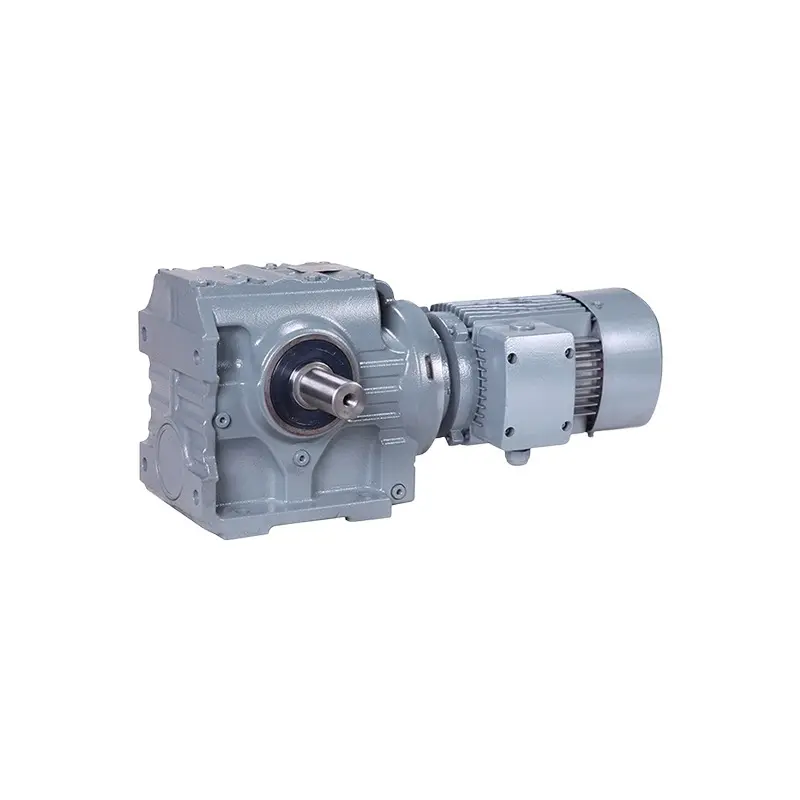
In modern industrial applications, the demand for efficient power transmission solutions continues to grow as manufacturers seek to optimize their equipment performance while minimizing space requirements. A compact gear reduction box represents a critical component that transforms high-speed, low-torque input into low-speed, high-torque output within a remarkably small footprint. This technology has become indispensable across various industries, from conveying systems to heavy machinery, where space constraints and efficiency requirements drive equipment selection decisions.
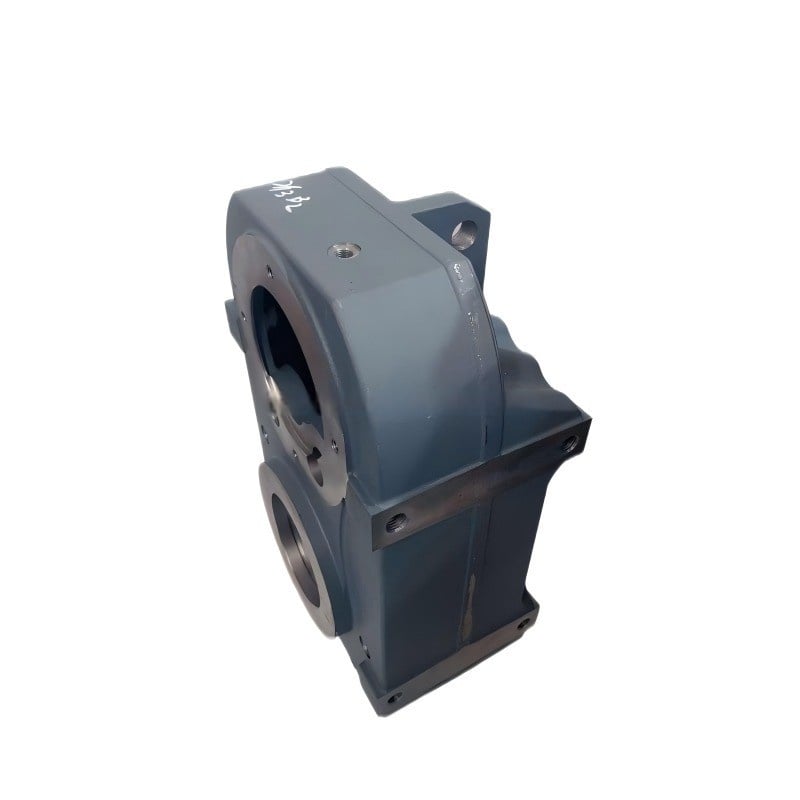
The evolution of gear reduction technology has led to increasingly sophisticated designs that maximize power density while maintaining exceptional reliability. Modern manufacturing techniques and advanced materials enable engineers to create compact gear reduction box solutions that deliver superior performance compared to their larger predecessors. These units incorporate precision-engineered components that work harmoniously to provide smooth, efficient power transmission in applications where every cubic inch of space matters.
Understanding the comprehensive benefits of compact gear reduction systems helps industrial decision-makers select the most appropriate solutions for their specific applications. From reduced installation footprints to enhanced operational efficiency, these systems offer numerous advantages that directly impact both initial investment costs and long-term operational expenses. The following analysis explores the multifaceted benefits that make compact gear reduction box technology an essential consideration for modern industrial equipment design.
Space Optimization and Installation Advantages
Reduced Footprint Requirements
The primary advantage of a compact gear reduction box lies in its ability to deliver substantial power transmission capabilities within minimal space constraints. Traditional gear reduction systems often require extensive installation areas, limiting their applicability in modern industrial facilities where floor space commands premium value. Compact designs eliminate this constraint by incorporating advanced gear geometries and optimized housing configurations that maximize power density while minimizing external dimensions.
Manufacturing facilities benefit significantly from reduced footprint requirements, as they can accommodate more production equipment within existing spaces or design smaller facilities for new installations. This space efficiency translates directly into reduced construction costs, lower facility maintenance expenses, and improved workflow optimization. The compact nature of these systems also enables more flexible equipment layouts, allowing engineers to position machinery closer together for enhanced operational efficiency.
Installation teams appreciate the simplified mounting requirements associated with compact gear reduction box designs. Smaller units require less structural support, reducing foundation requirements and associated construction costs. The lightweight nature of compact systems also simplifies handling during installation and maintenance procedures, reducing labor costs and potential safety risks associated with heavy equipment manipulation.
Enhanced System Integration
Compact gear reduction systems excel in applications requiring tight integration with other mechanical components. Their smaller profiles allow designers to create more streamlined equipment configurations, reducing the overall complexity of mechanical assemblies. This integration capability proves particularly valuable in conveying equipment applications where multiple drive points must coordinate within limited space envelopes.
The modular nature of modern compact gear reduction box designs facilitates seamless integration with various motor types, coupling systems, and driven equipment. This versatility enables engineers to standardize on specific reduction ratios while accommodating diverse application requirements through interchangeable components. Such standardization reduces inventory requirements, simplifies maintenance procedures, and enables more efficient procurement processes.
System designers appreciate the enhanced aesthetic appeal that compact gear reduction systems provide to finished equipment. The clean, streamlined appearance of these units contributes to professional equipment presentation, which proves particularly important in applications where equipment visibility affects customer perceptions or workplace environments.
Performance and Efficiency Benefits
Superior Power Transmission Efficiency
Modern compact gear reduction box designs achieve exceptional efficiency levels through advanced gear tooth profiles and optimized load distribution patterns. Precision manufacturing techniques enable the creation of gear sets with minimal backlash and maximum contact ratios, resulting in smooth power transmission with reduced energy losses. These efficiency improvements translate directly into lower operating costs and reduced heat generation, extending component life and improving overall system reliability.
The improved efficiency characteristics of compact gear reduction systems prove particularly valuable in applications requiring continuous operation or high-duty cycle service. Energy savings accumulate significantly over extended operating periods, often justifying the initial investment in premium compact reduction technology. Additionally, reduced heat generation minimizes cooling requirements and extends lubricant service intervals, further reducing operational expenses.
Advanced materials and surface treatments employed in compact gear reduction box manufacturing contribute to sustained efficiency levels throughout the equipment lifecycle. Hardened gear surfaces resist wear and maintain precise tolerances longer than conventional designs, ensuring consistent performance characteristics over extended service periods. This durability reduces maintenance frequency and associated downtime costs.
Enhanced Torque Handling Capabilities
Despite their compact dimensions, modern gear reduction systems deliver impressive torque handling capabilities through innovative design approaches. Advanced gear geometries distribute loads more effectively across contact surfaces, enabling smaller units to handle torque levels previously requiring larger reduction boxes. This capability expansion allows engineers to specify compact gear reduction box solutions in applications where space constraints previously necessitated compromises in performance specifications.
The improved torque density of compact systems enables more aggressive reduction ratios within single-stage configurations, eliminating the need for complex multi-stage arrangements in many applications. This simplification reduces manufacturing costs, improves reliability, and simplifies maintenance procedures. Single-stage designs also exhibit superior torsional stiffness characteristics, providing more precise load positioning in applications requiring accurate motion control.
Peak torque handling capabilities of compact gear reduction box designs often exceed continuous ratings by substantial margins, providing excellent overload protection for connected equipment. This characteristic proves particularly valuable in applications subject to shock loads or variable operating conditions, where traditional systems might experience premature failure or require oversizing for adequate safety margins.
Economic and Operational Advantages
Reduced Total Cost of Ownership
The economic benefits of compact gear reduction box technology extend far beyond initial purchase prices to encompass comprehensive total cost of ownership advantages. Reduced installation costs result from simplified mounting requirements, decreased structural support needs, and streamlined integration procedures. These savings often offset any premium associated with advanced compact designs, providing immediate return on investment.
Operational cost savings accumulate through improved energy efficiency, extended maintenance intervals, and reduced downtime requirements. The superior reliability characteristics of modern compact gear reduction systems minimize unexpected failures and associated production disruptions. Predictable maintenance schedules enable more effective resource planning and reduce emergency service costs.
Inventory management benefits emerge from the standardization opportunities that compact gear reduction box designs provide. Common mounting interfaces and interchangeable components reduce spare parts requirements while enabling more flexible equipment configurations. This standardization also simplifies training requirements for maintenance personnel and reduces the complexity of technical documentation systems.
Improved Maintenance Accessibility
Compact gear reduction systems often provide superior maintenance accessibility compared to larger conventional designs. Strategic placement of service points, drain plugs, and inspection ports enables efficient maintenance procedures without requiring extensive equipment disassembly. This accessibility reduces maintenance labor costs and minimizes downtime associated with routine service procedures.
The modular construction typical of compact gear reduction box designs facilitates component-level maintenance and replacement procedures. Individual components can often be serviced or replaced without disturbing surrounding equipment, reducing maintenance complexity and associated costs. This modularity also enables condition-based maintenance strategies that optimize component replacement timing based on actual wear patterns rather than arbitrary time intervals.
Advanced lubrication systems integrated into compact gear reduction designs often extend service intervals beyond those achievable with conventional systems. Improved oil circulation patterns, enhanced filtration capabilities, and optimized lubricant volumes contribute to extended component life and reduced maintenance frequency. These improvements provide direct cost savings while improving equipment availability.
Application-Specific Benefits
Conveying Equipment Applications
Conveying systems represent one of the most demanding applications for compact gear reduction box technology, where reliability and space efficiency prove equally critical. The tight integration requirements of modern conveying equipment demand reduction systems that provide precise speed control while occupying minimal space. Compact designs excel in these applications by enabling multiple drive points within confined spaces while maintaining the mechanical reliability essential for continuous operation.
The variable load characteristics typical of conveying applications require gear reduction systems capable of handling significant torque variations without compromising performance or reliability. Modern compact gear reduction box designs incorporate advanced load distribution mechanisms that accommodate these variations while maintaining smooth operation. This capability proves particularly valuable in applications handling diverse product types or variable throughput requirements.
Environmental considerations in conveying applications often necessitate sealed gear reduction systems capable of operating in dusty or contaminated atmospheres. Compact designs facilitate superior sealing arrangements that protect internal components while maintaining accessibility for routine maintenance. These environmental protection capabilities extend equipment life and reduce maintenance costs in challenging operating conditions.
Industrial Automation Integration
The growing emphasis on industrial automation creates increasing demand for compact gear reduction box solutions that integrate seamlessly with automated control systems. Compact designs provide the mechanical precision and response characteristics required for accurate position control while occupying minimal space within automated equipment configurations. This compatibility enables more sophisticated automation strategies that improve productivity and reduce labor costs.
Servo motor integration represents a particularly demanding application where compact gear reduction systems demonstrate significant advantages. The precise positioning requirements of servo applications demand reduction systems with minimal backlash and exceptional torsional stiffness. Modern compact designs achieve these characteristics through advanced manufacturing techniques and optimized gear geometries that maintain precision throughout extended service periods.
The rapid response characteristics required in automated systems benefit from the reduced rotational inertia typical of compact gear reduction box designs. Lower inertia enables faster acceleration and deceleration cycles, improving overall system responsiveness and throughput capabilities. This performance advantage proves particularly valuable in high-speed packaging, assembly, and material handling applications.
FAQ
What maintenance requirements are typical for compact gear reduction box systems
Compact gear reduction box systems typically require routine lubrication checks every 2,000 to 5,000 operating hours, depending on application severity and environmental conditions. Most modern designs incorporate extended-life lubricants that reduce service frequency compared to conventional systems. Regular inspection of seals, breathers, and mounting hardware ensures optimal performance and prevents premature component wear. The modular construction of compact systems often enables component-level maintenance without complete unit disassembly, reducing maintenance time and costs.
How do compact gear reduction systems compare in terms of noise levels
Modern compact gear reduction box designs typically operate at noise levels 3-5 decibels lower than conventional systems of equivalent capacity. Advanced gear tooth profiles and precision manufacturing techniques reduce gear mesh noise, while optimized housing designs provide effective sound dampening. The reduced operating speeds typical of gear reduction applications inherently produce lower noise levels compared to direct-drive alternatives. Proper lubrication and mounting practices further minimize operational noise, making these systems suitable for noise-sensitive environments.
What environmental conditions can compact gear reduction systems handle
Quality compact gear reduction box systems accommodate operating temperatures ranging from -40°F to 200°F (-40°C to 93°C) through appropriate lubricant selection and seal materials. Many designs incorporate IP65 or higher ingress protection ratings, providing excellent resistance to dust and moisture infiltration. Special sealing arrangements enable operation in washdown environments common in food processing and pharmaceutical applications. Corrosion-resistant materials and coatings extend service life in chemically aggressive atmospheres, while vibration-resistant designs maintain performance in demanding industrial environments.
How do I determine the appropriate size for my compact gear reduction box application
Proper sizing of a compact gear reduction box requires careful analysis of torque requirements, speed ratios, duty cycle characteristics, and environmental conditions. Calculate the required output torque based on driven load characteristics, including starting torque and peak operating conditions. Consider service factors appropriate for your application type, typically ranging from 1.5 to 3.0 for industrial equipment. Consult manufacturer selection guides or engineering support to verify thermal capacity and ensure adequate safety margins for reliable long-term operation. Professional application engineering assistance helps optimize selection for specific installation requirements and performance objectives.
Table of Contents
- Space Optimization and Installation Advantages
- Performance and Efficiency Benefits
- Economic and Operational Advantages
- Application-Specific Benefits
-
FAQ
- What maintenance requirements are typical for compact gear reduction box systems
- How do compact gear reduction systems compare in terms of noise levels
- What environmental conditions can compact gear reduction systems handle
- How do I determine the appropriate size for my compact gear reduction box application