
 EN
EN
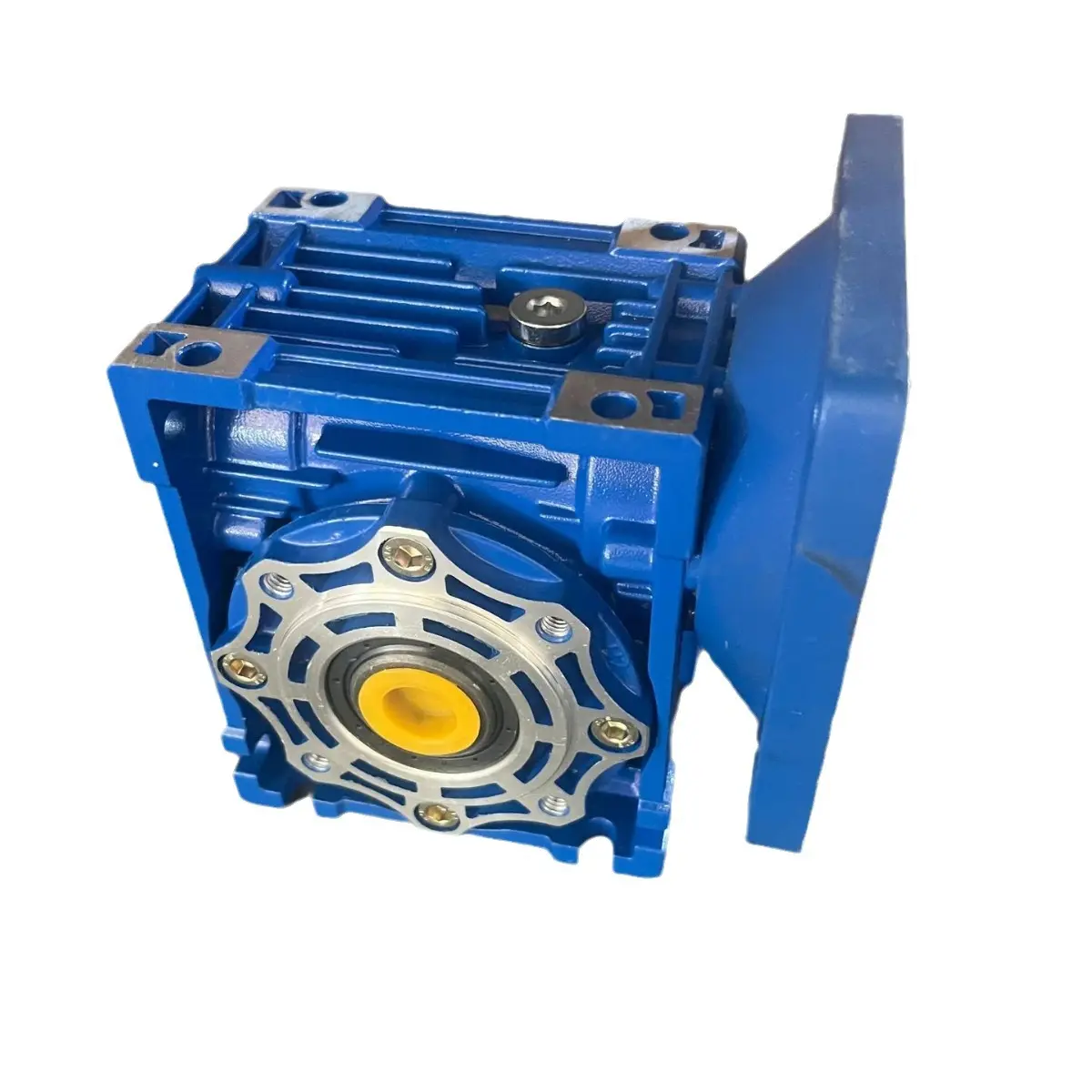
The renewable energy sector continues to expand rapidly as industries worldwide prioritize sustainable power generation. Central to the efficiency and reliability of renewable energy systems are gear reduction boxes, sophisticated mechanical devices that optimize rotational speed and torque transmission. These essential components enable wind turbines, solar tracking systems, and hydroelectric generators to operate at peak performance while maintaining structural integrity under varying load conditions.
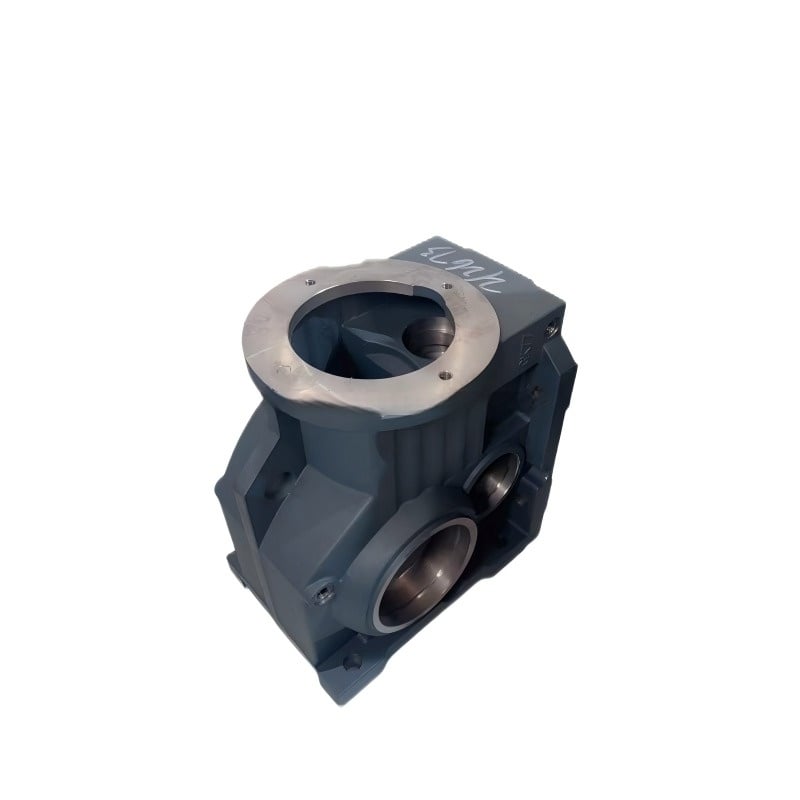
Modern renewable energy installations face unique operational challenges that demand precision-engineered solutions. Gear reduction boxes serve as critical interfaces between high-speed rotating machinery and electrical generation equipment, ensuring optimal power conversion across diverse environmental conditions. The integration of advanced gear reduction technologies directly impacts system longevity, maintenance requirements, and overall energy production efficiency.
Fundamental Principles of Gear Reduction in Renewable Energy
Speed and Torque Conversion Mechanics
Gear reduction boxes function by utilizing mechanical advantage to transform high-speed, low-torque input into low-speed, high-torque output. This conversion process is essential in renewable energy applications where natural forces such as wind or water flow operate at speeds unsuitable for direct electrical generation. The gear ratio determines the relationship between input and output parameters, with typical renewable energy systems employing ratios ranging from 10:1 to 100:1 depending on specific application requirements.
The torque multiplication achieved through gear reduction boxes enables generators to produce consistent electrical output even when environmental conditions vary significantly. This mechanical amplification ensures that renewable energy systems can capture and convert available energy efficiently, maximizing power generation potential while protecting sensitive electrical components from harmful speed fluctuations.
Load Distribution and Stress Management
Effective load distribution represents a critical function of gear reduction boxes in renewable energy applications. These systems must withstand dynamic loading conditions while maintaining precise rotational control. Advanced gear tooth profiles and bearing configurations distribute mechanical stresses evenly across multiple contact points, preventing premature component failure and extending operational lifespan.
Strategic stress management through proper gear design minimizes vibration transmission and reduces noise levels, factors particularly important in residential or environmentally sensitive installations. The ability to handle shock loads and cyclic stresses makes gear reduction boxes indispensable for renewable energy systems operating in challenging environmental conditions.
Wind Turbine Applications and Performance Optimization
Nacelle Integration and Space Constraints
Wind turbine nacelles present unique packaging challenges that influence gear reduction box design and selection. Space limitations require compact configurations while maintaining robust power transmission capabilities. Modern gear reduction boxes for wind applications incorporate multi-stage planetary gear arrangements that achieve high reduction ratios within constrained envelope dimensions, enabling efficient nacelle layouts.
The integration of gear reduction boxes within wind turbine nacelles demands careful consideration of weight distribution and structural mounting requirements. These systems must withstand extreme weather conditions while providing reliable power transmission from rotor assemblies to electrical generators positioned at significant heights above ground level.
Variable Speed Control and Grid Synchronization
Contemporary wind energy systems utilize variable speed control strategies that depend heavily on precise gear reduction box performance. These mechanisms enable turbines to optimize power capture across varying wind speeds while maintaining grid synchronization requirements. Gear reduction boxes facilitate smooth speed transitions and provide the mechanical stability necessary for advanced power electronics to function effectively.
The relationship between wind velocity and optimal rotor speed creates complex operational demands that gear reduction boxes must accommodate. Advanced lubrication systems and temperature control mechanisms ensure consistent performance across the full range of operating conditions, from cut-in wind speeds to maximum design velocities.
Solar Tracking System Integration
Precision Positioning and Dual-Axis Control
Solar tracking installations require exceptionally precise positioning control to maximize photovoltaic panel exposure to solar radiation throughout daily and seasonal cycles. Gear reduction boxes enable accurate angular positioning by providing the mechanical precision necessary for dual-axis tracking systems. These applications demand gear reduction boxes with minimal backlash and high positional repeatability to achieve optimal solar energy capture.
The slow, continuous motion requirements of solar tracking systems present unique lubrication and wear challenges that specialized gear reduction boxes address through advanced materials and surface treatments. Extended operational periods with minimal maintenance intervals make reliability and durability primary design considerations for solar applications.
Weather Resistance and Environmental Protection
Solar installations often operate in harsh environmental conditions that test the limits of mechanical equipment. Gear reduction boxes designed for solar applications incorporate enhanced sealing systems and corrosion-resistant materials to withstand temperature extremes, moisture exposure, and dust infiltration. These protective measures ensure consistent tracking accuracy over multi-decade service lives.
The combination of outdoor exposure and precision positioning requirements creates demanding specifications for gear reduction boxes in solar applications. Advanced bearing systems and specialized lubricants maintain smooth operation while protecting internal components from environmental contamination that could compromise tracking accuracy or system reliability.
Hydroelectric Power Generation Applications
Turbine Speed Matching and Generator Efficiency
Hydroelectric installations utilize gear reduction boxes to match turbine rotational speeds with generator requirements, optimizing electrical output efficiency. Water turbines typically operate at speeds significantly different from optimal generator speeds, creating the need for mechanical speed conversion. Gear reduction boxes enable hydroelectric systems to maintain peak efficiency across varying water flow conditions while protecting generators from harmful speed fluctuations.
The continuous operation characteristic of many hydroelectric facilities places exceptional durability demands on gear reduction boxes. These systems must maintain precise speed ratios over extended periods while handling the substantial torques generated by water-driven turbines, often in remote locations where maintenance access is limited.
Flood Management and Emergency Operations
Hydroelectric facilities equipped with gear reduction boxes must maintain operational capability during flood conditions and emergency scenarios. These systems enable rapid response to changing water levels through reliable speed control and torque management. The ability to handle sudden load changes and maintain stable operation during emergency conditions makes gear reduction boxes critical safety components in hydroelectric installations.
Emergency shutdown procedures and flood response protocols depend on the reliable operation of gear reduction boxes under extreme conditions. Robust design features and fail-safe mechanisms ensure that hydroelectric systems can respond appropriately to emergency situations while protecting both equipment and personnel safety.
Maintenance Strategies and Reliability Enhancement
Predictive Maintenance Technologies
Modern gear reduction boxes incorporate advanced monitoring capabilities that enable predictive maintenance strategies, reducing unexpected failures and optimizing service intervals. Vibration analysis, temperature monitoring, and oil condition assessment provide early warning indicators of developing issues before they impact system performance. These monitoring systems are particularly valuable in renewable energy applications where accessibility may be limited.
The implementation of condition-based maintenance programs for gear reduction boxes significantly improves renewable energy system availability and reduces operational costs. Remote monitoring capabilities enable maintenance teams to schedule service activities during optimal weather windows while minimizing system downtime and maximizing energy production.
Lubrication Systems and Component Longevity
Proper lubrication represents a critical factor in gear reduction box longevity and performance consistency. Advanced lubrication systems designed for renewable energy applications address the challenges of extended operation periods, variable loading conditions, and environmental exposure. Synthetic lubricants and automated lubrication systems maintain optimal component protection while extending service intervals.
The development of specialized lubricants for gear reduction boxes in renewable energy applications considers factors such as temperature stability, oxidation resistance, and compatibility with sealing materials. These formulations ensure reliable protection across the full range of operating conditions encountered in wind, solar, and hydroelectric installations.
FAQ
What factors determine the optimal gear ratio for renewable energy applications
The optimal gear ratio depends on the specific renewable energy technology, generator requirements, and operational speed ranges. Wind turbines typically require ratios between 50:1 and 100:1 to convert rotor speeds of 10-50 RPM to generator speeds of 1000-1800 RPM. Solar tracking systems use much lower ratios, often 100:1 to 1000:1, to achieve precise positioning control. Hydroelectric applications vary widely based on turbine type and water head conditions.
How do environmental conditions affect gear reduction box performance in renewable energy systems
Environmental factors significantly impact gear reduction box performance through temperature variations, moisture exposure, dust contamination, and cyclic loading. Extreme temperatures affect lubricant viscosity and material expansion, while moisture can cause corrosion and compromise sealing integrity. Dust and particulate matter can accelerate wear if they penetrate sealing systems. Modern gear reduction boxes address these challenges through enhanced sealing, corrosion-resistant materials, and specialized lubricants designed for outdoor applications.
What maintenance intervals are typically required for gear reduction boxes in renewable energy installations
Maintenance intervals vary significantly based on application type, environmental conditions, and system design. Wind turbine gear reduction boxes typically require major inspections every 2-5 years, with oil changes every 1-2 years. Solar tracking systems may operate 5-10 years between major service events due to lower stress levels and more controlled operating conditions. Hydroelectric applications often achieve 10-20 year service intervals for major overhauls, though annual inspections are recommended for all renewable energy gear reduction boxes.
How do gear reduction boxes contribute to the overall efficiency of renewable energy systems
Gear reduction boxes contribute to system efficiency by enabling optimal matching between energy capture mechanisms and electrical generators. Properly designed gear reduction boxes achieve mechanical efficiencies of 95-98%, minimizing energy losses during power transmission. They enable generators to operate at optimal speeds for maximum electrical efficiency while allowing turbines or collectors to function at speeds that maximize energy capture from environmental sources. This speed matching capability is essential for maximizing the overall energy conversion efficiency of renewable energy systems.
Table of Contents
- Fundamental Principles of Gear Reduction in Renewable Energy
- Wind Turbine Applications and Performance Optimization
- Solar Tracking System Integration
- Hydroelectric Power Generation Applications
- Maintenance Strategies and Reliability Enhancement
-
FAQ
- What factors determine the optimal gear ratio for renewable energy applications
- How do environmental conditions affect gear reduction box performance in renewable energy systems
- What maintenance intervals are typically required for gear reduction boxes in renewable energy installations
- How do gear reduction boxes contribute to the overall efficiency of renewable energy systems