 EN
EN
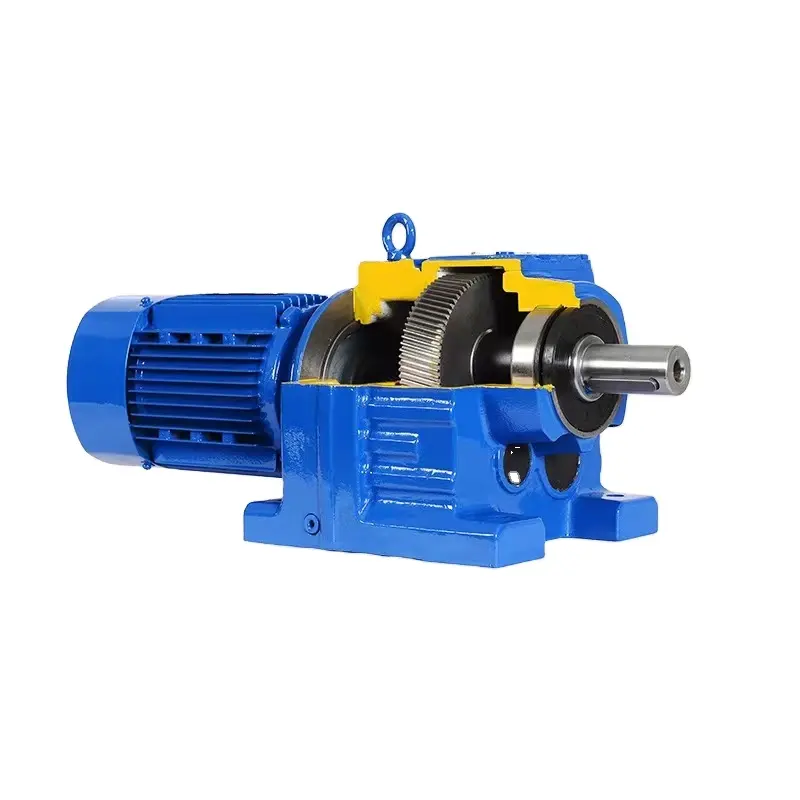
In today's competitive industrial landscape, manufacturers are constantly seeking ways to optimize their mechanical systems for maximum performance and minimal energy consumption. A high-efficiency gearbox design represents one of the most significant advancements in power transmission technology, offering substantial improvements in operational efficiency, cost reduction, and environmental sustainability. These advanced mechanical systems have revolutionized how industries approach power transmission challenges, delivering exceptional performance across diverse applications ranging from wind turbines to manufacturing equipment.
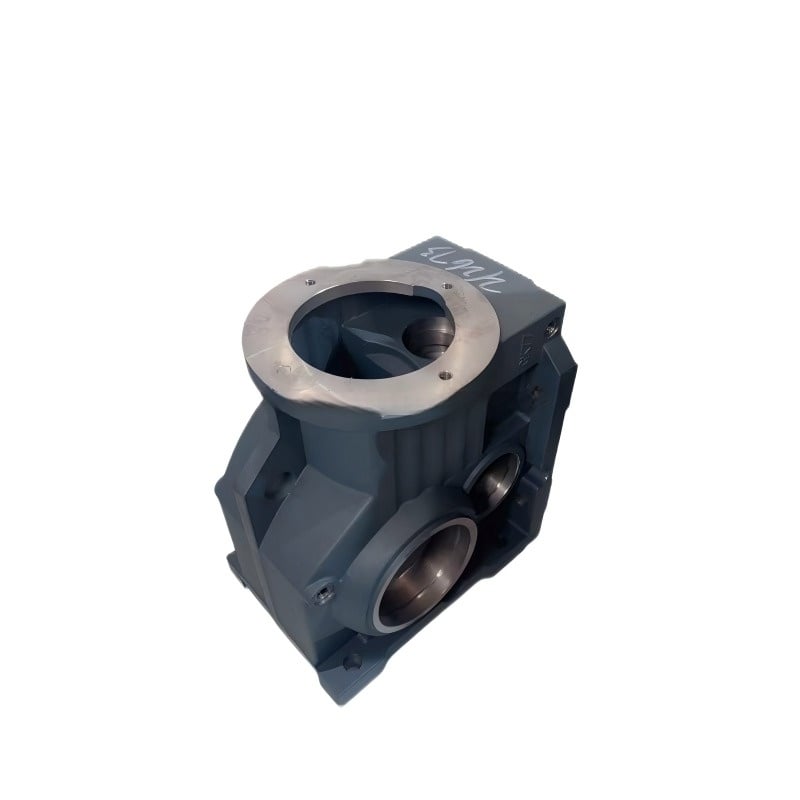
The implementation of a high-efficiency gearbox design has become increasingly critical as industries face mounting pressure to reduce operational costs while meeting stringent environmental regulations. These sophisticated transmission systems incorporate advanced engineering principles, precision manufacturing techniques, and innovative materials to achieve efficiency ratings that were previously unattainable. Modern high-efficiency gearbox design solutions can achieve efficiency levels exceeding 98%, representing a dramatic improvement over conventional transmission systems that typically operate at 85-92% efficiency.
Fundamental Principles of High-Efficiency Gearbox Engineering
Advanced Gear Geometry and Manufacturing Precision
The foundation of any successful high-efficiency gearbox design lies in its precision-engineered gear geometry and manufacturing processes. Modern gearboxes utilize advanced gear tooth profiles, such as involute curves with optimized pressure angles, to minimize friction losses during power transmission. These precisely manufactured components ensure smooth engagement between gear teeth, reducing vibration and heat generation while maximizing power transfer efficiency.
Manufacturing precision plays a crucial role in achieving superior efficiency levels in contemporary gearbox systems. Advanced CNC machining technologies and quality control processes ensure that gear teeth maintain tolerances within micrometers, eliminating unnecessary friction and wear. This level of precision manufacturing directly contributes to the enhanced performance characteristics that define modern high-efficiency gearbox design applications.
Material Science Innovations
Contemporary high-efficiency gearbox design incorporates cutting-edge materials that significantly improve durability and reduce internal friction. Advanced steel alloys, surface treatments, and specialized coatings work together to create gear surfaces with exceptional wear resistance and reduced coefficient of friction. These material innovations enable gearboxes to maintain their high efficiency ratings throughout extended operational periods.
The integration of synthetic lubricants specifically formulated for high-efficiency applications further enhances system performance. These advanced lubricants maintain their viscosity characteristics across wide temperature ranges while providing superior protection against wear and corrosion. The combination of advanced materials and specialized lubrication systems ensures that high-efficiency gearbox design solutions deliver consistent performance across diverse operating conditions.
Energy Efficiency and Cost Reduction Benefits
Substantial Energy Savings
One of the most compelling advantages of implementing a high-efficiency gearbox design is the significant reduction in energy consumption compared to conventional transmission systems. These advanced gearboxes can reduce energy losses by up to 50% compared to standard designs, translating into substantial cost savings for industrial operations. The improved efficiency characteristics mean that more of the input power is effectively transmitted to the driven equipment, reducing overall system energy requirements.
The energy savings achieved through high-efficiency gearbox design implementation compound over time, resulting in dramatic improvements in operational cost structures. Industrial facilities operating multiple high-efficiency transmission systems often report energy cost reductions of 15-25% compared to facilities using conventional gearbox technologies. These savings become increasingly significant as energy costs continue to rise and environmental regulations become more stringent.
Reduced Maintenance and Operating Costs
The superior engineering and materials used in high-efficiency gearbox design result in significantly reduced maintenance requirements and extended service intervals. The precision manufacturing and advanced materials minimize wear rates, allowing these systems to operate for longer periods between maintenance cycles. This reduction in maintenance frequency translates directly into lower operational costs and improved system availability.
Extended component life is another significant advantage of modern high-efficiency gearbox design systems. The reduced internal stress and friction levels mean that critical components experience less wear during normal operation, resulting in service lives that can be two to three times longer than conventional gearbox systems. This extended service life provides excellent return on investment and reduces the total cost of ownership for industrial equipment.
Performance Enhancement and Operational Advantages
Superior Torque Transmission Capabilities
Modern high-efficiency gearbox design systems excel in their ability to transmit high torque loads while maintaining exceptional efficiency levels. The advanced gear tooth geometry and precision manufacturing enable these systems to handle substantially higher torque loads than comparably sized conventional gearboxes. This enhanced torque capacity allows for more compact system designs while maintaining or improving overall performance characteristics.
The improved torque transmission capabilities of high-efficiency gearbox design solutions enable industrial equipment to operate at optimal performance levels across a wider range of operating conditions. This operational flexibility is particularly valuable in applications where load conditions vary significantly, such as wind turbines, industrial mixers, and heavy machinery applications. The ability to maintain high efficiency across varying load conditions represents a significant advantage over conventional transmission systems.
Reduced Heat Generation and Thermal Management
The superior efficiency characteristics of modern high-efficiency gearbox design systems result in significantly reduced heat generation during operation. Lower internal friction losses mean that less energy is converted to heat, reducing thermal stress on system components and improving overall reliability. This reduced heat generation also eliminates the need for complex cooling systems in many applications, further reducing system complexity and costs.
Effective thermal management is crucial for maintaining the performance advantages of high-efficiency gearbox design systems throughout their operational life. The reduced heat generation characteristics of these advanced systems help maintain optimal operating temperatures, preserving lubricant properties and extending component life. This thermal advantage becomes particularly significant in high-duty cycle applications where conventional gearboxes might experience thermal-related performance degradation.
Environmental Impact and Sustainability Considerations
Carbon Footprint Reduction
The implementation of high-efficiency gearbox design systems contributes significantly to corporate sustainability initiatives and environmental responsibility goals. The reduced energy consumption associated with these advanced transmission systems directly translates into lower carbon emissions and reduced environmental impact. Industries adopting high-efficiency gearbox design solutions often report carbon footprint reductions of 10-20% in their power transmission systems.
The environmental benefits of high-efficiency gearbox design extend beyond direct energy savings to include reduced manufacturing resource requirements and extended service life. The longer operational life of these systems means fewer replacement units are needed over the system lifetime, reducing the overall environmental impact associated with manufacturing and disposal. This sustainability advantage aligns with increasingly stringent environmental regulations and corporate responsibility initiatives.
Resource Conservation and Waste Reduction
Advanced high-efficiency gearbox design systems contribute to resource conservation through their extended service life and reduced maintenance requirements. The superior materials and precision manufacturing techniques result in components that maintain their performance characteristics for extended periods, reducing the need for replacement parts and associated material consumption. This resource conservation benefit becomes increasingly important as industries focus on sustainable operational practices.
The reduced waste generation associated with high-efficiency gearbox design implementation supports corporate waste reduction initiatives and circular economy principles. These advanced systems generate less waste oil, fewer worn components, and reduced packaging waste due to their extended service intervals. The cumulative effect of these waste reduction benefits can be substantial for large industrial operations utilizing multiple transmission systems.
Industrial Applications and Implementation Strategies
Optimal Application Scenarios
High-efficiency gearbox design systems deliver maximum benefits in applications requiring continuous operation, high torque transmission, and stringent efficiency requirements. Wind turbine applications represent one of the most successful implementations of these advanced transmission systems, where the combination of high torque, variable speed operation, and efficiency requirements create ideal conditions for high-efficiency gearbox design utilization.
Manufacturing applications involving conveyor systems, mixers, and processing equipment also benefit significantly from high-efficiency gearbox design implementation. These applications typically involve continuous operation cycles where the cumulative energy savings and reduced maintenance requirements provide substantial operational advantages. The ability of high-efficiency gearbox design systems to maintain consistent performance across varying load conditions makes them particularly suitable for these demanding industrial applications.
Implementation Planning and System Integration
Successful implementation of high-efficiency gearbox design systems requires careful planning and consideration of system integration requirements. The superior performance characteristics of these advanced systems often enable system optimization opportunities that extend beyond simple component replacement. Engineers can often reduce overall system complexity while improving performance through strategic implementation of high-efficiency gearbox design solutions.
The integration process for high-efficiency gearbox design systems should include comprehensive analysis of existing system requirements, load characteristics, and performance objectives. This analysis ensures that the selected gearbox configuration optimizes system performance while providing maximum return on investment. Proper integration planning also considers future expansion requirements and maintenance access needs to maximize the long-term benefits of high-efficiency gearbox design implementation.
Future Developments and Technological Trends
Emerging Technologies and Innovation Trends
The evolution of high-efficiency gearbox design continues to accelerate with advances in materials science, manufacturing technology, and digital monitoring systems. Emerging technologies such as additive manufacturing and advanced surface treatments promise to further improve the efficiency and durability characteristics of future gearbox designs. These technological developments will likely enable even higher efficiency ratings and extended service life for next-generation transmission systems.
Digital monitoring and predictive maintenance technologies are becoming increasingly integrated into high-efficiency gearbox design systems. These advanced monitoring systems provide real-time performance data that enables optimized maintenance scheduling and early detection of potential issues. The integration of smart monitoring technologies with high-efficiency gearbox design systems represents the future of intelligent power transmission solutions.
Industry Standards and Regulatory Evolution
Industry standards and regulatory requirements continue to evolve in favor of high-efficiency transmission systems, creating additional incentives for adoption of advanced gearbox technologies. Government initiatives promoting energy efficiency and carbon emission reduction are increasingly recognizing the significant contribution that high-efficiency gearbox design systems can make toward achieving sustainability goals.
The development of international efficiency standards specific to industrial gearbox applications is driving further innovation in high-efficiency gearbox design technologies. These evolving standards provide clear benchmarks for system performance and create market incentives for continued technological advancement. Manufacturers investing in high-efficiency gearbox design systems position themselves advantageously for compliance with future regulatory requirements while achieving immediate operational benefits.
FAQ
What efficiency improvements can be expected from high-efficiency gearbox design systems compared to conventional alternatives
High-efficiency gearbox design systems typically achieve efficiency ratings of 96-98%, representing improvements of 5-10 percentage points over conventional gearbox designs. This improvement translates into energy cost savings of 15-25% in most industrial applications, with additional benefits including reduced heat generation, extended service life, and lower maintenance requirements. The actual efficiency improvement depends on specific application requirements, operating conditions, and system integration factors.
How do high-efficiency gearbox design systems impact maintenance schedules and operational costs
The advanced materials and precision manufacturing used in high-efficiency gearbox design systems significantly extend maintenance intervals, often doubling or tripling the time between service requirements. This extension results in reduced labor costs, fewer replacement parts, and improved system availability. The combination of energy savings and reduced maintenance requirements typically provides return on investment within 2-4 years, depending on system utilization and energy costs.
What factors should be considered when selecting high-efficiency gearbox design systems for industrial applications
Key selection factors include torque requirements, speed ratios, operating duty cycles, environmental conditions, and integration requirements with existing equipment. The application's efficiency requirements, load characteristics, and space constraints also influence system selection. Working with experienced engineers ensures that the selected high-efficiency gearbox design optimizes performance while providing maximum return on investment for the specific application requirements.
Are high-efficiency gearbox design systems suitable for retrofit applications in existing industrial equipment
Many high-efficiency gearbox design systems are specifically engineered for retrofit applications, offering improved performance in existing mounting configurations. However, successful retrofit implementation requires careful analysis of system compatibility, mounting requirements, and integration considerations. The superior efficiency and reduced heat generation characteristics of these advanced systems often enable performance improvements beyond simple component replacement, making retrofit applications highly beneficial for many industrial facilities.
Table of Contents
- Fundamental Principles of High-Efficiency Gearbox Engineering
- Energy Efficiency and Cost Reduction Benefits
- Performance Enhancement and Operational Advantages
- Environmental Impact and Sustainability Considerations
- Industrial Applications and Implementation Strategies
- Future Developments and Technological Trends
-
FAQ
- What efficiency improvements can be expected from high-efficiency gearbox design systems compared to conventional alternatives
- How do high-efficiency gearbox design systems impact maintenance schedules and operational costs
- What factors should be considered when selecting high-efficiency gearbox design systems for industrial applications
- Are high-efficiency gearbox design systems suitable for retrofit applications in existing industrial equipment