 EN
EN
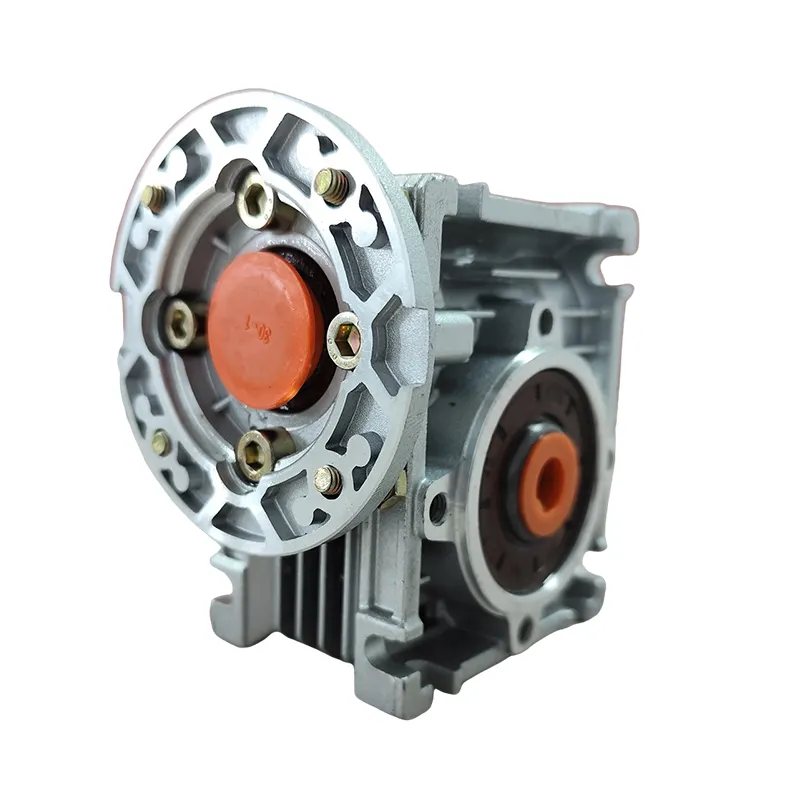
Industrial machinery relies heavily on the performance and durability of its mechanical components, with precision gearbox systems serving as critical elements that transfer power and control motion in countless applications. Understanding proper maintenance procedures can significantly extend the operational lifespan of these essential components while reducing unexpected downtime and costly repairs. Manufacturing facilities worldwide depend on well-maintained gearboxes to achieve optimal productivity and maintain consistent operational efficiency across their production lines.
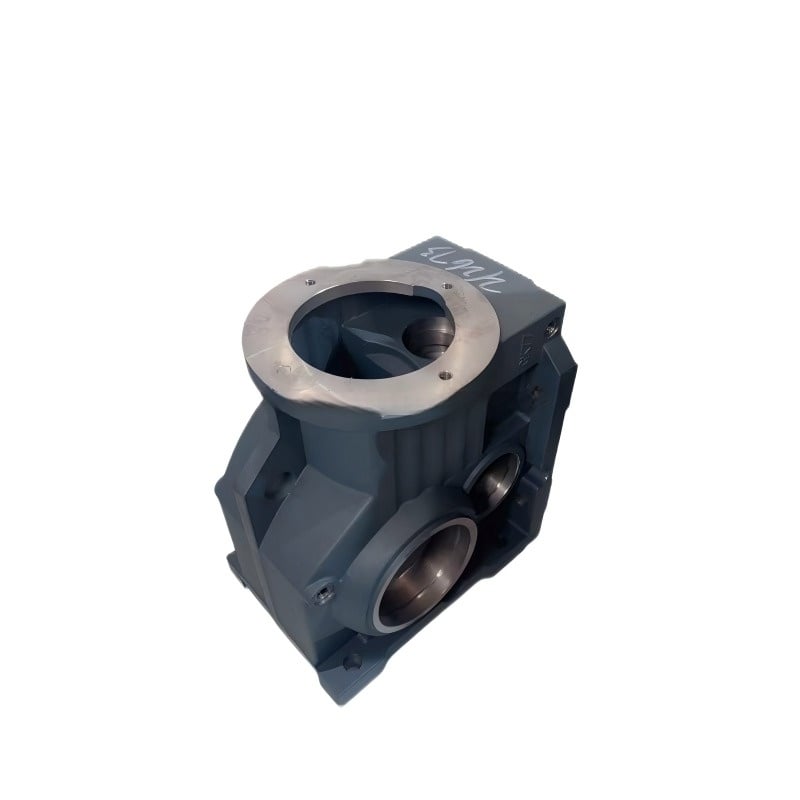
Proper maintenance practices form the foundation of reliable gearbox operation, encompassing systematic inspection protocols, lubrication management, and environmental protection measures. These preventive strategies help identify potential issues before they escalate into major problems, ensuring continuous operation while minimizing maintenance costs. Industrial facilities that implement comprehensive maintenance programs typically experience fewer equipment failures and achieve better return on investment for their precision gearbox systems.
Understanding Gearbox Components and Wear Patterns
Internal Gear Mechanisms and Stress Points
The internal structure of a precision gearbox contains multiple interconnected components that work together to achieve specific speed and torque ratios. Gear teeth experience varying levels of stress during operation, with contact surfaces bearing the primary load transfer responsibilities. Understanding these stress distribution patterns helps maintenance professionals identify areas requiring enhanced attention and monitoring during routine inspections.
Bearing assemblies support rotating shafts while managing both radial and axial loads transmitted through the gear train. These critical components operate under continuous stress and require careful monitoring to detect early signs of wear or degradation. Regular assessment of bearing condition prevents catastrophic failures that could damage multiple gearbox components simultaneously.
Common Failure Modes and Prevention Strategies
Pitting and scoring represent two primary forms of gear tooth damage that develop gradually under normal operating conditions. Surface fatigue occurs when repeated loading cycles exceed the material's endurance limit, creating small craters or pits on gear tooth surfaces. Implementing proper lubrication practices and monitoring operating temperatures can significantly reduce the likelihood of these damage modes occurring.
Contamination from external sources poses significant threats to precision gearbox operation, introducing abrasive particles that accelerate wear processes. Effective filtration systems and regular oil analysis help maintain clean operating environments while identifying contamination sources before they cause substantial damage. Proactive contamination control measures extend component lifecycles and reduce maintenance requirements.
Lubrication Management and Oil Analysis
Selecting Appropriate Lubricant Specifications
Lubricant selection plays a crucial role in precision gearbox performance, with viscosity grades, additive packages, and base oil types affecting operational characteristics. High-quality synthetic lubricants often provide superior performance under extreme temperature conditions while offering enhanced oxidation resistance compared to conventional mineral oils. Consulting manufacturer specifications ensures compatibility between lubricant properties and specific gearbox design requirements.
Temperature stability becomes increasingly important in applications involving significant thermal cycling or elevated operating temperatures. Advanced lubricant formulations maintain consistent viscosity across wider temperature ranges, providing reliable protection during startup conditions and sustained high-load operations. Proper lubricant selection reduces internal friction while maintaining adequate film thickness between moving surfaces.
Oil Analysis Programs and Condition Monitoring
Systematic oil analysis provides valuable insights into precision gearbox health by detecting microscopic wear particles, chemical degradation products, and contamination levels. Regular sampling and laboratory analysis identify trending conditions that indicate developing problems within the gear assembly. Establishing baseline measurements and tracking changes over time enables predictive maintenance strategies that prevent unexpected failures.
Particle counting and spectroscopic analysis reveal specific information about component wear rates and contamination sources affecting gearbox operation. Elevated metal concentrations in lubricant samples indicate accelerated wear processes that require immediate investigation and corrective action. Early detection through comprehensive oil analysis programs allows maintenance teams to address issues before they cause extensive damage to expensive precision gearbox components.
Preventive Maintenance Schedules and Inspection Protocols
Developing Systematic Inspection Routines
Establishing regular inspection schedules ensures consistent monitoring of critical precision gearbox parameters while documenting operational trends over extended periods. Visual inspections identify external signs of leakage, unusual wear patterns, or mounting system degradation that could affect performance. Systematic documentation of inspection findings creates historical records that support data-driven maintenance decisions.
Vibration monitoring provides early warning of developing mechanical problems within precision gearbox assemblies through analysis of frequency patterns and amplitude changes. Baseline vibration signatures established during initial installation serve as reference points for detecting deviations that indicate component wear or misalignment issues. Regular vibration analysis helps maintenance teams schedule repairs during planned downtime rather than responding to emergency failures.
Temperature and Performance Monitoring
Operating temperature monitoring reveals important information about precision gearbox loading conditions, lubrication effectiveness, and internal friction levels. Excessive temperatures indicate potential problems such as inadequate lubrication, overloading, or bearing degradation that require immediate attention. Implementing continuous temperature monitoring systems enables automatic alerts when operating parameters exceed acceptable limits.
Performance tracking through torque measurements, speed monitoring, and efficiency calculations provides quantitative data about gearbox condition and operational trends. Declining efficiency ratings or increasing torque requirements often indicate developing problems within the gear train that warrant detailed investigation. Regular performance assessments help optimize operating conditions while identifying opportunities for improvement in precision gearbox applications.
Environmental Protection and Contamination Control
Sealing Systems and Contamination Prevention
Effective sealing systems protect precision gearbox internals from environmental contamination while preventing lubricant leakage that could compromise performance. Dynamic seals at shaft penetrations require periodic inspection and replacement to maintain integrity under varying operating conditions. Advanced sealing technologies provide enhanced protection against moisture, dust, and chemical contaminants that threaten gearbox reliability.
Breather systems manage internal pressure fluctuations while filtering incoming air to prevent contamination during thermal cycling. Desiccant breathers remove moisture from incoming air while maintaining atmospheric pressure equalization within the precision gearbox housing. Regular breather maintenance ensures continued protection against moisture ingress and airborne contaminants.
Storage and Handling Procedures
Proper storage procedures protect precision gearbox components during periods of inactivity while maintaining readiness for immediate service when required. Climate-controlled storage environments prevent condensation and corrosion that could damage internal surfaces during extended shutdown periods. Implementing rotation schedules for stored equipment helps maintain lubrication distribution and prevents bearing damage from prolonged static loading.
Handling procedures during installation, maintenance, and transportation activities significantly impact precision gearbox longevity and performance characteristics. Proper lifting techniques and support methods prevent structural damage while maintaining alignment tolerances critical for smooth operation. Training maintenance personnel in appropriate handling procedures reduces the risk of damage during routine service activities.
Advanced Maintenance Technologies and Techniques
Predictive Maintenance Integration
Modern predictive maintenance technologies combine multiple monitoring techniques to provide comprehensive assessment of precision gearbox condition and remaining useful life. Integrated sensor systems continuously monitor vibration, temperature, and acoustic emissions while transmitting data to centralized analysis platforms. These advanced systems enable condition-based maintenance strategies that optimize service intervals while minimizing unexpected downtime.
Machine learning algorithms analyze historical performance data to identify patterns and predict potential failure modes before they occur. Sophisticated analytics platforms process multiple data streams to generate actionable maintenance recommendations based on actual operating conditions rather than predetermined schedules. Implementing predictive maintenance technologies helps optimize precision gearbox performance while reducing overall maintenance costs.
Repair and Refurbishment Strategies
Professional refurbishment services restore precision gearbox components to original specifications through advanced machining and surface treatment processes. Gear tooth repair techniques including welding, grinding, and surface hardening can extend component life significantly compared to complete replacement costs. Selecting qualified service providers ensures proper execution of complex repair procedures that maintain original performance characteristics.
Component upgrading during major overhauls provides opportunities to enhance precision gearbox performance through improved materials, coatings, or design modifications. Modern bearing technologies and advanced lubricants often exceed original equipment specifications while providing enhanced durability under demanding operating conditions. Strategic upgrades during scheduled maintenance intervals improve reliability while extending service intervals between major repairs.
FAQ
How often should precision gearbox oil be changed
Oil change intervals depend on operating conditions, environmental factors, and lubricant quality, but typically range from 2000 to 8000 operating hours. Severe operating conditions such as high temperatures, heavy loads, or contaminated environments require more frequent oil changes. Regular oil analysis provides the most accurate method for determining optimal change intervals based on actual lubricant condition rather than arbitrary time schedules.
What are the signs of precision gearbox bearing failure
Early bearing failure symptoms include increased vibration levels, elevated operating temperatures, unusual noise patterns, and metallic particles in lubricant samples. Advanced stages of bearing degradation may produce grinding or knocking sounds accompanied by significant temperature increases. Prompt attention to these warning signs prevents catastrophic failures that could damage multiple gearbox components simultaneously.
Can precision gearbox efficiency be improved through maintenance
Proper maintenance practices can maintain and sometimes improve gearbox efficiency through optimized lubrication, alignment correction, and contamination control measures. Clean, high-quality lubricants reduce internal friction while proper alignment minimizes parasitic losses throughout the gear train. Regular maintenance prevents efficiency degradation that naturally occurs with component wear and contamination accumulation over time.
What environmental factors most affect precision gearbox lifespan
Temperature extremes, moisture exposure, dust contamination, and chemical vapors represent the primary environmental threats to precision gearbox longevity. High temperatures accelerate lubricant degradation and increase component wear rates, while moisture promotes corrosion and lubricant contamination. Implementing appropriate environmental protection measures significantly extends equipment lifespan while reducing maintenance requirements and operational costs.