 EN
EN
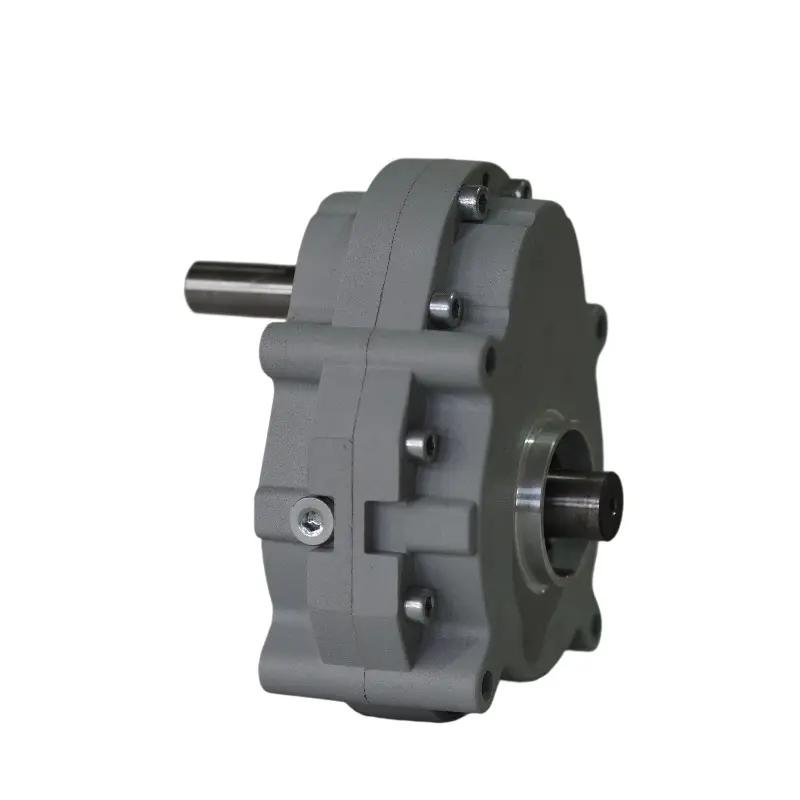
Industrial power transmission systems require precision, reliability, and efficiency to maintain optimal performance across various applications. Among the most effective solutions for achieving smooth power transfer, helical gear motors stand out as superior mechanical components that deliver consistent torque while minimizing operational noise and vibration. These sophisticated drive systems combine the benefits of helical gearing with integrated motor functionality, creating a compact and efficient solution for diverse industrial requirements. Modern manufacturing processes increasingly depend on helical gear motors to ensure seamless operation in conveyor systems, material handling equipment, and automated machinery. The unique design characteristics of helical gear motors enable them to provide exceptional load distribution and extended operational life compared to conventional transmission alternatives.
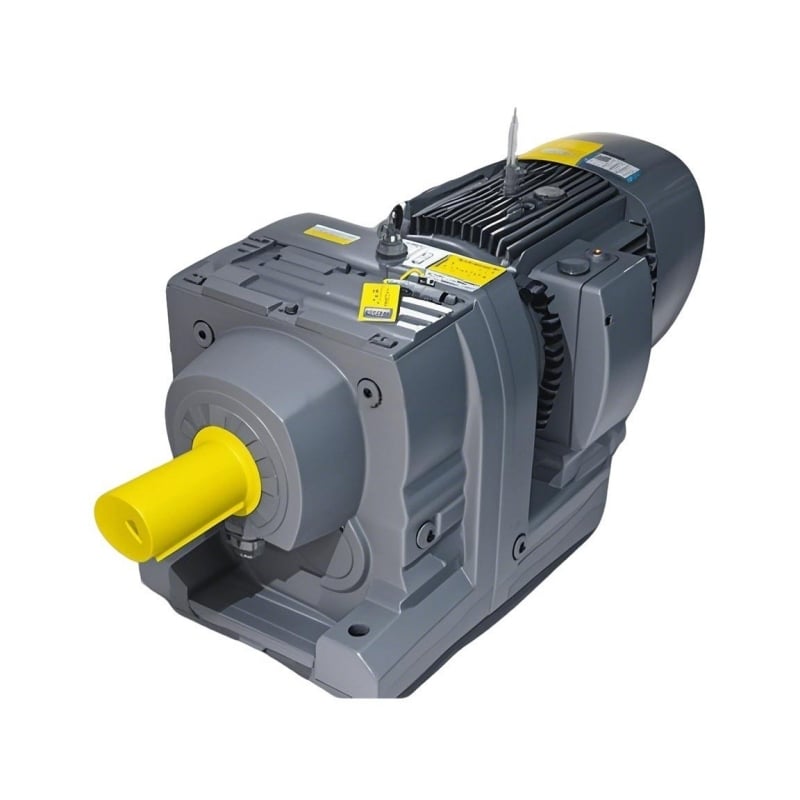
Understanding Helical Gear Motor Design Principles
Gear Tooth Configuration and Load Distribution
The fundamental advantage of helical gear motors lies in their unique tooth geometry, which features angled teeth that engage gradually rather than simultaneously. This design characteristic ensures multiple teeth remain in contact during operation, significantly improving load distribution across the gear surface. The helical angle typically ranges from 15 to 30 degrees, optimizing the balance between smooth operation and axial load management. Advanced manufacturing techniques allow precise control of helix angles, enabling engineers to customize helical gear motors for specific torque requirements and operational conditions. The gradual engagement of helical teeth reduces impact loading, resulting in quieter operation and extended component life compared to straight-cut gear alternatives.
Load distribution patterns in helical gear motors create superior stress management throughout the gear mesh, minimizing localized wear and potential failure points. The angled tooth configuration spreads transmitted forces across a larger contact area, reducing contact stress and improving overall durability. Manufacturing precision plays a crucial role in achieving optimal load distribution, requiring tight tolerances and advanced quality control measures. Modern helical gear motors incorporate refined tooth profiles that maximize contact ratios while maintaining efficient power transmission characteristics. These design improvements contribute to enhanced reliability and reduced maintenance requirements in industrial applications.
Material Selection and Heat Treatment Processes
High-performance helical gear motors rely on carefully selected materials and specialized heat treatment processes to achieve optimal durability and reliability. Premium alloy steels provide the necessary strength and wear resistance required for demanding industrial applications. Case hardening techniques create hard surface layers while maintaining tough core material properties, ensuring helical gear motors can withstand both contact stresses and impact loads. Advanced metallurgical processes include carburizing, nitriding, and induction hardening, each offering specific advantages for different operational requirements. Quality control measures throughout the heat treatment process ensure consistent material properties and reliable performance characteristics.
Surface treatments and coatings further enhance the performance capabilities of helical gear motors by reducing friction and improving corrosion resistance. Specialized lubricants designed for helical gear applications provide additional protection against wear and thermal stress. The combination of premium materials, precise heat treatment, and advanced surface treatments enables helical gear motors to achieve exceptional service life even under severe operating conditions. Manufacturing standards such as AGMA and ISO specifications ensure consistent quality and performance across different suppliers and applications. These comprehensive material and treatment approaches contribute to the superior reliability that makes helical gear motors the preferred choice for critical power transmission applications.
Operational Advantages in Power Transmission Systems
Noise Reduction and Vibration Control
One of the most significant benefits of helical gear motors is their ability to operate with minimal noise and vibration compared to other gear types. The gradual engagement of helical teeth eliminates the sudden impact characteristic of straight-cut gears, resulting in smoother power transmission and reduced acoustic emissions. This advantage becomes particularly important in applications where noise control is essential, such as food processing facilities, pharmaceutical manufacturing, and residential area installations. The continuous contact pattern of helical gears distributes dynamic loads more evenly, reducing vibration transmission to supporting structures and connected equipment. Advanced bearing systems and precision manufacturing further enhance the vibration control capabilities of modern helical gear motors.
Vibration reduction in helical gear motors contributes to improved reliability of downstream equipment and reduced maintenance requirements throughout the power transmission system. Lower vibration levels minimize fatigue stress in connected components, extending overall system life and reducing unexpected downtime. Specialized mounting systems and isolation techniques can further enhance vibration control when required by specific applications. The smooth operation characteristics of helical gear motors also contribute to improved product quality in manufacturing processes sensitive to mechanical disturbances. These operational advantages make helical gear motors particularly valuable in precision manufacturing and automated assembly applications.
Efficiency and Power Transfer Characteristics
Helical gear motors achieve superior efficiency ratings through optimized gear tooth geometry and reduced sliding friction during mesh engagement. The increased contact ratio of helical teeth provides more efficient power transfer with lower energy losses compared to alternative gear configurations. Typical efficiency ratings for quality helical gear motors range from 92% to 96%, depending on size, speed, and load conditions. Advanced lubrication systems and precision manufacturing contribute to maintaining high efficiency levels throughout the operational life cycle. The smooth engagement characteristics of helical gears reduce energy losses associated with impact and vibration, further improving overall system efficiency.
Power transfer capabilities of helical gear motors can be optimized through careful selection of gear ratios, motor sizing, and operational parameters. Multiple-stage configurations enable high reduction ratios while maintaining compact overall dimensions and high efficiency levels. The ability to handle high torque loads with smooth operation makes helical gear motors ideal for applications requiring precise speed control and consistent power delivery. Energy savings achieved through high efficiency operation contribute to reduced operating costs and environmental impact over the service life of the equipment. These efficiency advantages become increasingly important as industries focus on sustainability and energy conservation initiatives.
Application-Specific Performance Benefits
Conveyor Systems and Material Handling
Conveyor applications benefit significantly from the smooth, consistent operation provided by helical gear motors, particularly in systems requiring precise speed control and reliable material transport. The reduced vibration characteristics prevent product damage and maintain consistent conveyor belt tracking, essential for maintaining production efficiency and product quality. Helical gear motors provide the necessary starting torque for heavily loaded conveyors while maintaining smooth acceleration profiles that prevent material spillage or disruption. Variable speed capabilities enable optimization of conveyor speeds for different products and operational requirements. The durability of helical gear motors ensures reliable operation in dusty, harsh environments typical of material handling applications.
Material handling equipment such as bucket elevators, screw conveyors, and overhead cranes requires the robust performance characteristics that helical gear motors provide. The ability to handle shock loads and varying duty cycles makes these motors particularly suitable for applications with changing operational demands. Precision speed control enables accurate positioning and smooth material transfer, critical for maintaining production schedules and preventing equipment damage. The compact design of helical gear motors allows integration into space-constrained installations while providing the necessary power and torque capabilities. Maintenance accessibility and component reliability contribute to minimized downtime and reduced operating costs in demanding material handling environments.
Manufacturing and Assembly Automation
Automated manufacturing systems rely on helical gear motors to provide precise positioning and smooth motion control essential for maintaining product quality and production efficiency. The low backlash characteristics of quality helical gear motors enable accurate positioning for assembly operations, pick-and-place systems, and robotic applications. Consistent torque delivery ensures repeatable performance in automated processes, critical for maintaining tight tolerances and quality standards. The quiet operation of helical gear motors is particularly valuable in manufacturing environments where noise control is important for worker comfort and safety. Integration with modern control systems enables sophisticated motion profiles and programmable operation sequences.
Assembly line applications benefit from the reliability and smooth operation of helical gear motors in conveyor drives, indexing tables, and transfer mechanisms. The ability to provide consistent performance over extended operating periods reduces the risk of production interruptions and quality issues. Helical gear motors can be configured with various mounting options and output configurations to meet specific installation requirements in automated systems. The thermal characteristics and overload capacity of these motors provide necessary safety margins for varying production demands. Preventive maintenance programs can be optimized based on the predictable wear patterns and extended service life typical of quality helical gear motors.
Selection Criteria and Engineering Considerations
Load Analysis and Sizing Requirements
Proper selection of helical gear motors requires comprehensive analysis of load characteristics, duty cycle requirements, and environmental conditions specific to each application. Engineers must consider both steady-state torque requirements and peak loading conditions that may occur during startup, emergency stops, or process variations. The service factor selection ensures adequate capacity margins while avoiding oversizing that would result in reduced efficiency and unnecessary cost. Dynamic load analysis includes consideration of shock loads, cyclic loading, and potential overload conditions that could affect motor and gearbox life. Thermal analysis ensures that helical gear motors can operate within acceptable temperature limits under actual service conditions.
Speed requirements must be carefully evaluated to select appropriate gear ratios and motor characteristics for optimal performance. The relationship between input speed, output speed, and torque multiplication affects both efficiency and mechanical stress levels within helical gear motors. Acceleration and deceleration requirements influence motor sizing and may require consideration of additional braking systems or soft-start capabilities. Load inertia calculations help determine the necessary starting torque and acceleration time for applications with significant rotating masses. Proper sizing ensures that helical gear motors operate within their optimal efficiency range while providing adequate performance margins for reliable service.
Environmental Factors and Protection Requirements
Environmental conditions significantly impact the selection and configuration of helical gear motors for specific applications. Temperature extremes, humidity levels, and exposure to chemicals or abrasive materials require appropriate motor enclosures and protection ratings. IP ratings specify the level of protection against dust and moisture ingress, critical for maintaining reliable operation in harsh environments. Hazardous location requirements may necessitate explosion-proof or intrinsically safe motor configurations for applications in chemical processing or mining operations. Altitude and ambient temperature corrections ensure proper motor sizing for installations at extreme elevations or in high-temperature environments.
Lubrication requirements vary significantly based on operating temperatures, load conditions, and environmental exposure factors affecting helical gear motors. Synthetic lubricants may be required for extreme temperature applications or extended maintenance intervals. Contamination control measures protect internal components from ingress of dust, moisture, or process materials that could cause premature wear or failure. Vibration and shock mounting requirements depend on the installation environment and sensitivity of connected equipment. Proper environmental protection ensures that helical gear motors achieve their design life and maintain consistent performance throughout their service period.
Maintenance and Service Considerations
Preventive Maintenance Strategies
Effective maintenance programs for helical gear motors focus on lubrication management, vibration monitoring, and thermal analysis to maximize service life and reliability. Scheduled lubrication changes based on operating hours and environmental conditions prevent premature wear and maintain optimal efficiency levels. Oil analysis programs can detect early signs of component wear or contamination, enabling proactive maintenance before failures occur. Vibration monitoring helps identify bearing wear, gear tooth damage, or alignment issues that could lead to catastrophic failure if not addressed promptly. Temperature monitoring ensures that helical gear motors operate within acceptable thermal limits and can identify cooling system problems or overload conditions.
Inspection procedures should include visual examination of motor housings, electrical connections, and mounting systems for signs of deterioration or damage. Torque verification of mounting bolts ensures proper mechanical connections and prevents loosening due to vibration or thermal cycling. Electrical testing including insulation resistance and current measurements helps identify potential motor problems before they result in failure. Documentation of maintenance activities and performance trends enables optimization of service intervals and identification of recurring issues. Proper maintenance scheduling balances the cost of planned maintenance against the risk and expense of unexpected failures in critical applications.
Troubleshooting and Performance Optimization
Common performance issues with helical gear motors often relate to inadequate lubrication, overloading, or environmental factors that exceed design specifications. Excessive noise or vibration may indicate gear tooth wear, bearing problems, or misalignment requiring immediate attention. Temperature monitoring can identify cooling problems, overloading, or lubrication deficiencies that could lead to premature failure. Current monitoring helps detect electrical problems or mechanical binding that affects motor performance and efficiency. Systematic troubleshooting procedures help technicians quickly identify and resolve problems while minimizing downtime.
Performance optimization of helical gear motors may involve adjustment of operating parameters, improvement of cooling systems, or modification of lubrication schedules based on actual service experience. Load profile analysis can identify opportunities for improved efficiency or extended service life through operational changes. Alignment verification ensures optimal power transmission and minimizes wear on rotating components. Regular performance monitoring establishes baseline data for comparison and helps identify gradual performance degradation that may indicate developing problems. Continuous improvement initiatives based on service experience help optimize both initial selection and ongoing maintenance of helical gear motors in various applications.
FAQ
What are the main advantages of helical gear motors over straight-cut gear alternatives
Helical gear motors offer several key advantages including significantly reduced noise and vibration due to gradual tooth engagement, higher load capacity through improved load distribution across multiple teeth, smoother operation with less backlash, and generally higher efficiency ratings. The angled tooth configuration also provides better durability and extended service life compared to straight-cut gears, making them ideal for continuous-duty applications requiring reliable performance.
How do you determine the correct size and ratio for helical gear motors in specific applications
Proper sizing requires analysis of several factors including required output torque, operating speed range, duty cycle characteristics, and environmental conditions. Calculate the total load torque including friction, acceleration, and process requirements, then apply appropriate service factors based on application characteristics. Consider both continuous and peak torque requirements, and verify that thermal ratings are adequate for the expected operating conditions and ambient temperature.
What maintenance practices are most critical for maximizing helical gear motor service life
Regular lubrication maintenance is the most critical factor, including scheduled oil changes based on operating hours and environmental conditions. Vibration monitoring helps detect early signs of bearing or gear wear, while temperature monitoring ensures operation within design limits. Periodic alignment checks, electrical connection inspection, and oil analysis programs contribute to early problem detection and extended service life.
Can helical gear motors be used in variable speed applications and what are the considerations
Yes, helical gear motors work well with variable frequency drives for speed control applications. Key considerations include ensuring adequate cooling at low speeds, selecting motors with appropriate insulation systems for VFD operation, and considering the impact of speed variation on lubrication systems. The smooth operation characteristics of helical gear motors make them particularly suitable for applications requiring precise speed control and frequent speed changes.
Table of Contents
- Understanding Helical Gear Motor Design Principles
- Operational Advantages in Power Transmission Systems
- Application-Specific Performance Benefits
- Selection Criteria and Engineering Considerations
- Maintenance and Service Considerations
-
FAQ
- What are the main advantages of helical gear motors over straight-cut gear alternatives
- How do you determine the correct size and ratio for helical gear motors in specific applications
- What maintenance practices are most critical for maximizing helical gear motor service life
- Can helical gear motors be used in variable speed applications and what are the considerations