
 EN
EN
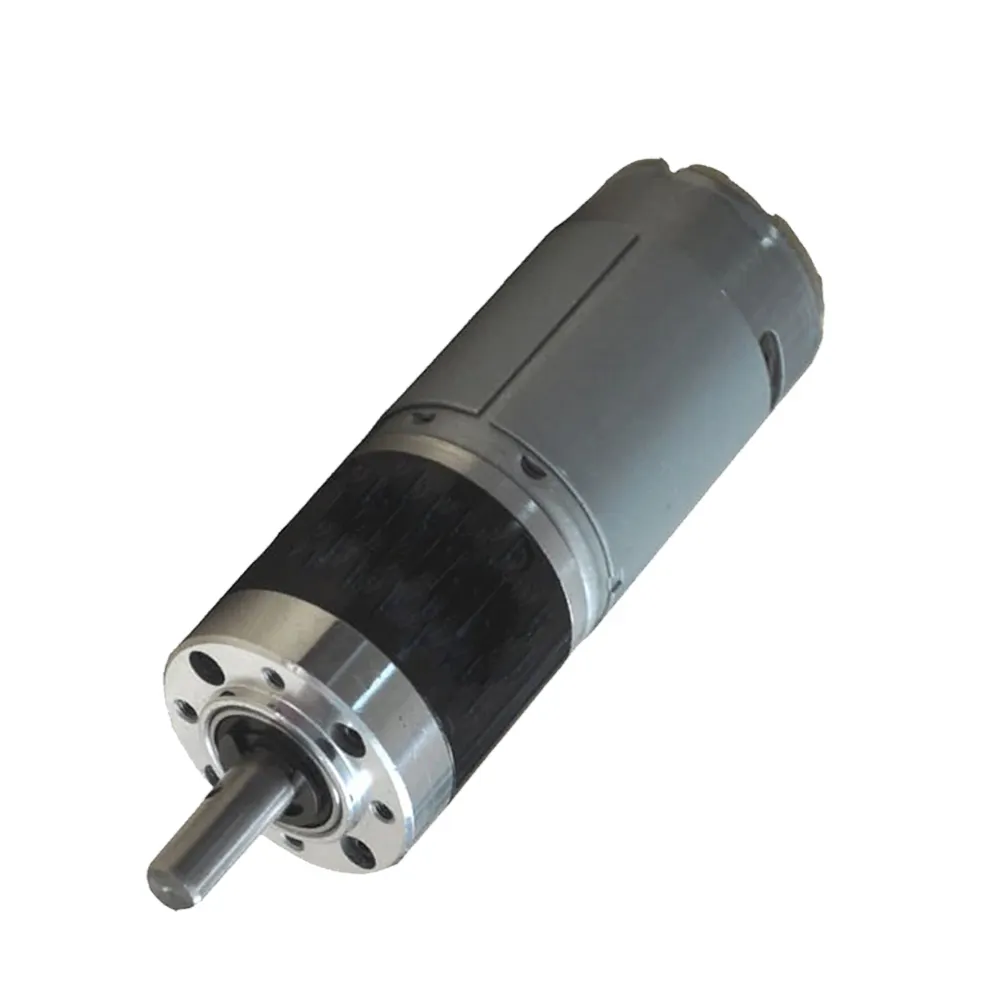
Industrial machinery relies heavily on precision engineering components to deliver consistent performance under demanding conditions. Among these critical components, the gear reducer stands as a fundamental element that determines operational efficiency, torque multiplication, and speed control across various heavy-duty applications. Understanding how to select the appropriate gear reducer for your specific equipment requirements can significantly impact productivity, maintenance costs, and overall system longevity. Modern manufacturing environments demand robust solutions that can withstand continuous operation while maintaining precise mechanical tolerances. The selection process involves evaluating multiple technical parameters, environmental factors, and application-specific requirements to ensure optimal performance integration.
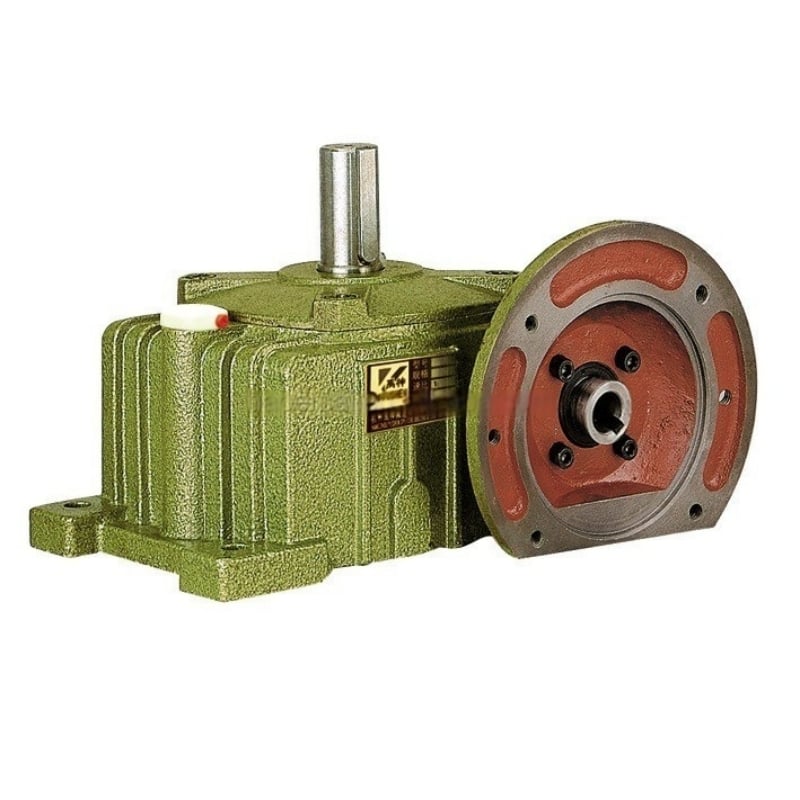
Understanding Gear Reducer Fundamentals
Basic Operating Principles
A gear reducer functions by utilizing mechanical advantage principles to modify rotational speed and torque characteristics between input and output shafts. The fundamental mechanism involves meshing gear teeth that transfer power through controlled ratios, enabling equipment to operate at optimal speeds while generating the necessary torque for heavy-duty applications. This mechanical transformation occurs through various gear arrangements, including worm drives, planetary systems, and helical configurations, each offering distinct advantages for specific operational requirements.
The gear reducer achieves speed reduction through precise gear ratios calculated by dividing the number of teeth on the driven gear by the number of teeth on the driving gear. This mathematical relationship directly influences torque multiplication, where reduced output speed correlates with increased torque capability. Understanding these fundamental principles enables engineers to specify appropriate reduction ratios that match motor characteristics with load requirements, ensuring efficient power transmission throughout the mechanical system.
Types and Configuration Options
Various gear reducer configurations serve different industrial applications, with each type offering specific advantages regarding efficiency, compactness, and load-bearing capacity. Worm gear reducers provide excellent reduction ratios in compact packages while offering inherent self-locking characteristics that prevent back-driving under load conditions. These units excel in applications requiring high reduction ratios with minimal backlash, making them ideal for precision positioning systems and heavy lifting equipment.
Planetary gear reducers deliver superior power density and efficiency ratings compared to traditional parallel-shaft designs. The planetary configuration distributes load forces across multiple gear teeth simultaneously, enabling higher torque capacity within smaller envelope dimensions. This design approach proves particularly valuable for mobile equipment and space-constrained installations where weight and size limitations significantly impact system design parameters. Helical gear reducers offer smooth operation with reduced noise levels, making them suitable for applications requiring quiet operation and precise speed control.
Critical Selection Parameters
Load Analysis and Torque Requirements
Accurate load analysis forms the foundation of proper gear reducer selection, requiring comprehensive evaluation of operating torque requirements, shock loads, and duty cycle characteristics. Engineers must consider both continuous operating torque and peak torque conditions that occur during startup, emergency stops, or load variations. The selected gear reducer must handle these demanding conditions while maintaining adequate safety factors to ensure reliable long-term operation without premature component failure.
Service factor calculations incorporate various application-specific variables, including ambient temperature conditions, operating environment, maintenance intervals, and expected service life. These factors directly influence the required safety margins built into the gear reducer specification process. Applications involving frequent starts and stops, variable loads, or harsh environmental conditions typically require higher service factors to compensate for increased mechanical stress and thermal cycling effects on internal components.
Speed and Ratio Considerations
Selecting the appropriate speed reduction ratio involves balancing motor operating characteristics with load speed requirements to achieve optimal system efficiency. The gear reducer ratio determines both output speed and torque multiplication, directly impacting overall system performance and energy consumption. Higher reduction ratios generally provide increased torque capability but may introduce efficiency losses through additional gear mesh interfaces and internal friction.
Input speed limitations must align with motor specifications while considering thermal and mechanical constraints within the gear reducer housing. Excessive input speeds can generate heat buildup, increase wear rates, and potentially cause premature bearing failure. The gear reducer selection process should evaluate both nominal operating speeds and maximum allowable input speeds to ensure compatibility with drive system requirements while maintaining operational safety margins.
Environmental and Mounting Considerations
Operating Environment Assessment
Environmental conditions significantly influence gear reducer performance and longevity, requiring careful evaluation of temperature ranges, humidity levels, contamination exposure, and atmospheric conditions. Extreme temperatures affect lubricant viscosity, seal performance, and thermal expansion characteristics of internal components. High-temperature applications may require synthetic lubricants, enhanced cooling provisions, or specialized housing materials to maintain proper operation under demanding thermal conditions.
Corrosive environments, dust exposure, and moisture ingress pose additional challenges that must be addressed through appropriate sealing systems, protective coatings, and housing materials. Marine applications, chemical processing facilities, and outdoor installations require gear reducer designs specifically engineered to withstand these harsh operating conditions. Proper environmental protection extends service life while reducing maintenance requirements and operational downtime associated with premature component degradation.
Mounting and Installation Requirements
Mounting configuration selection impacts both initial installation costs and long-term maintenance accessibility. Foot-mounted, flange-mounted, and shaft-mounted configurations each offer specific advantages depending on space constraints, alignment requirements, and service accessibility needs. The chosen mounting style must accommodate system layout requirements while providing adequate support for operational loads and vibration forces generated during normal operation.
Proper alignment between motor, gear reducer, and driven equipment remains critical for achieving optimal performance and component longevity. Misalignment conditions generate excessive bearing loads, increase vibration levels, and accelerate wear patterns throughout the drive system. Installation procedures should incorporate precision alignment techniques and regular monitoring protocols to maintain proper shaft relationships and prevent premature component failure due to alignment-related stress concentrations.
Efficiency and Performance Optimization
Efficiency Ratings and Energy Consumption
Gear reducer efficiency directly impacts overall system energy consumption and operational costs, making efficiency ratings a crucial selection criterion for modern industrial applications. Higher efficiency units reduce heat generation, lower cooling requirements, and decrease electrical power consumption throughout the operational life cycle. These benefits compound significantly in continuous-duty applications where even small efficiency improvements translate into substantial energy savings over time.
Multi-stage gear reducer designs may exhibit lower overall efficiency compared to single-stage units due to multiple gear mesh interfaces and increased internal friction losses. However, the trade-off between efficiency and reduction ratio capabilities must be evaluated based on specific application requirements. Some applications prioritize compact packaging and high reduction ratios over maximum efficiency, while others demand optimal energy performance regardless of size constraints or complexity considerations.
Maintenance and Service Requirements
Maintenance requirements vary significantly among different gear reducer types and configurations, influencing both operational costs and equipment availability throughout the service life. Some designs require regular lubricant changes, periodic seal replacement, and bearing maintenance intervals, while others feature sealed-for-life construction with minimal service requirements. The maintenance strategy should align with facility capabilities, technician skill levels, and acceptable downtime windows for service activities.
Predictive maintenance technologies increasingly enable condition monitoring capabilities that identify potential issues before catastrophic failure occurs. Vibration analysis, thermal monitoring, and lubricant analysis programs help optimize maintenance intervals while preventing unexpected downtime. The gear reducer selection process should consider compatibility with these monitoring systems and incorporate features that facilitate condition assessment and proactive maintenance scheduling to maximize equipment reliability and operational efficiency.
Application-Specific Selection Guidelines
Construction and Heavy Equipment Applications
Construction equipment applications demand gear reducer designs capable of handling extreme shock loads, variable operating conditions, and harsh environmental exposure. Mobile equipment installations require compact, lightweight designs that maximize power density while withstanding continuous vibration and impact forces encountered in typical construction environments. The gear reducer must maintain reliable operation despite exposure to dust, moisture, temperature extremes, and frequent load cycling conditions.
Heavy lifting applications, such as cranes and hoists, require gear reducer designs with inherent self-locking capabilities to prevent load back-driving during power interruptions or emergency stops. Worm gear reducer configurations excel in these applications by providing mechanical advantage while maintaining load security through their inherent locking characteristics. Safety factors must account for dynamic loading conditions and emergency operating scenarios that may exceed normal operational parameters.
Industrial Manufacturing Systems
Manufacturing applications typically require precise speed control, smooth operation, and consistent performance over extended operating periods. The gear reducer selection process must consider production line integration requirements, including synchronization capabilities, speed variation needs, and compatibility with automated control systems. Precision positioning applications demand minimal backlash characteristics and repeatable positioning accuracy to maintain product quality standards.
Continuous-duty manufacturing processes require gear reducer designs optimized for thermal management and long-term reliability. Heat dissipation capabilities, lubricant circulation systems, and bearing selection significantly impact operational life under continuous loading conditions. The thermal rating of the gear reducer must accommodate ambient temperature conditions while maintaining acceptable operating temperatures throughout extended duty cycles typical of manufacturing environments.
Quality Standards and Certification Requirements
Industry Standards Compliance
Modern gear reducer selection must comply with relevant industry standards that govern design, manufacturing, and performance characteristics for industrial applications. Standards organizations such as AGMA, ISO, and IEC establish testing procedures, rating methodologies, and quality requirements that ensure consistent performance and reliability across different manufacturers and product lines. Compliance with these standards provides confidence in published ratings and facilitates proper application engineering.
Safety standards require specific design features and performance characteristics for applications involving personnel safety risks or critical operational functions. Explosion-proof ratings, fail-safe operation modes, and emergency stop capabilities may be mandatory depending on application requirements and regulatory compliance obligations. The gear reducer specification process should incorporate all applicable safety standards and certification requirements to ensure legal compliance and operational safety.
Quality Assurance and Testing
Comprehensive testing programs validate gear reducer performance characteristics under controlled laboratory conditions that simulate actual operating environments. Endurance testing, load testing, and environmental testing verify published ratings and identify potential failure modes before products reach field applications. Quality assurance programs should include statistical process control measures, incoming inspection procedures, and final testing protocols that ensure consistent product quality.
Factory acceptance testing procedures enable verification of gear reducer performance before shipment to customer facilities. These tests typically include no-load and full-load performance verification, vibration measurements, temperature monitoring, and efficiency validation. Documentation of test results provides baseline performance data that facilitates future troubleshooting and maintenance planning activities throughout the operational service life.
Cost Analysis and Economic Considerations
Initial Investment vs. Life Cycle Costs
Total cost of ownership calculations must consider both initial purchase price and long-term operational costs when evaluating gear reducer alternatives. Higher efficiency units typically command premium pricing but deliver reduced energy consumption and lower operating costs over the equipment service life. The payback period for efficiency improvements depends on operating hours, energy costs, and efficiency differences between alternative product options.
Maintenance costs represent significant operational expenses that vary considerably among different gear reducer designs and quality levels. Units requiring frequent service intervals, specialized lubricants, or complex maintenance procedures generate higher life cycle costs despite potentially lower initial purchase prices. The economic analysis should incorporate realistic maintenance cost projections based on manufacturer recommendations and facility-specific labor rates.
Performance Value Assessment
Value engineering principles help balance performance requirements against cost constraints to identify optimal gear reducer solutions for specific applications. Premium products may offer enhanced reliability, extended service life, and superior performance characteristics that justify higher initial costs through reduced maintenance requirements and improved operational efficiency. The value assessment should quantify tangible benefits such as energy savings, reduced downtime, and lower maintenance costs.
Risk mitigation considerations influence the economic analysis by evaluating potential costs associated with equipment failure, production disruption, and safety incidents. Critical applications may justify premium gear reducer selections to minimize failure risks even when standard products would satisfy basic performance requirements. The risk assessment should consider both probability and consequence of potential failure scenarios to establish appropriate selection criteria and safety factors.
FAQ
What factors determine the service life of a gear reducer in heavy-duty applications?
Service life depends on several interconnected factors including load conditions, operating environment, maintenance practices, and initial design quality. Proper selection with adequate service factors, regular maintenance intervals, appropriate lubricant selection, and environmental protection significantly extend operational life. Operating within manufacturer specifications while avoiding shock loads and maintaining proper alignment helps maximize service life expectations.
How do I calculate the required service factor for my specific application?
Service factor calculations incorporate application characteristics such as load variability, starting frequency, ambient temperature, and duty cycle requirements. Industry standards provide service factor tables based on driven equipment types and operating conditions. Applications with frequent starts, variable loads, or harsh environments typically require service factors between 1.5 and 2.0 to ensure adequate safety margins for reliable operation.
Can a gear reducer be retrofitted to existing equipment installations?
Retrofit applications require careful evaluation of mounting dimensions, shaft configurations, and performance requirements to ensure compatibility with existing systems. Dimensional constraints, alignment requirements, and interface specifications must match or be adaptable to current installations. Professional engineering assessment helps identify suitable replacement options that maintain or improve system performance while accommodating existing infrastructure limitations.
What maintenance practices optimize gear reducer performance and reliability?
Optimal maintenance includes regular lubricant analysis and replacement, bearing inspection, seal condition monitoring, and alignment verification. Establishing baseline performance measurements enables trend analysis for predictive maintenance scheduling. Following manufacturer recommendations for service intervals while monitoring operating temperatures and vibration levels helps identify potential issues before they develop into major failures requiring extensive repairs or replacement.
Table of Contents
- Understanding Gear Reducer Fundamentals
- Critical Selection Parameters
- Environmental and Mounting Considerations
- Efficiency and Performance Optimization
- Application-Specific Selection Guidelines
- Quality Standards and Certification Requirements
- Cost Analysis and Economic Considerations
-
FAQ
- What factors determine the service life of a gear reducer in heavy-duty applications?
- How do I calculate the required service factor for my specific application?
- Can a gear reducer be retrofitted to existing equipment installations?
- What maintenance practices optimize gear reducer performance and reliability?