
 EN
EN
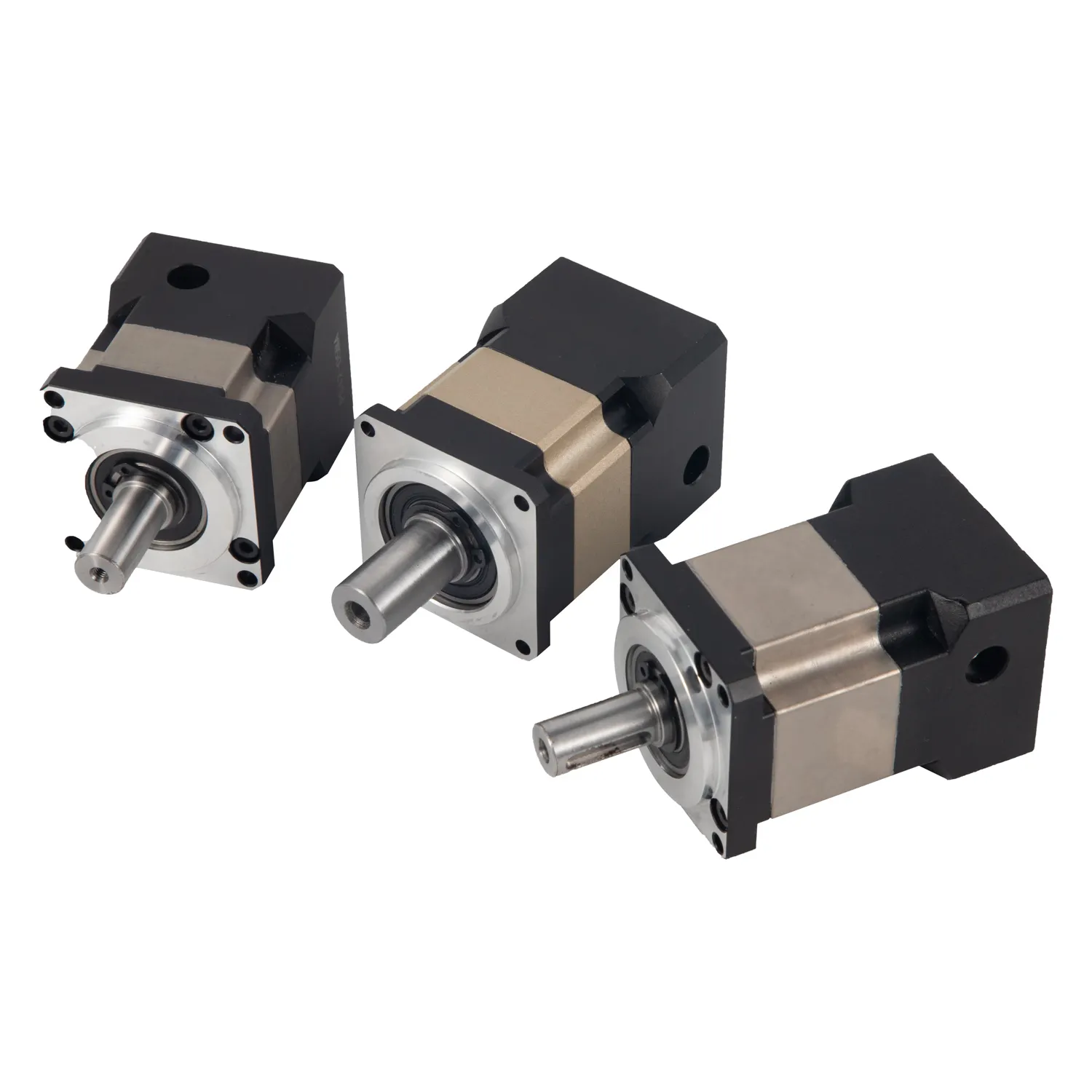
Industrial equipment performance directly correlates with the precision of mechanical power transmission systems. A speed reducer serves as a critical component that transforms high-speed, low-torque input into low-speed, high-torque output, fundamentally altering how machinery operates across countless applications. The strategic implementation of these devices can dramatically enhance operational efficiency, reduce maintenance costs, and extend equipment lifespan while delivering consistent performance under demanding industrial conditions. Understanding the transformative capabilities of speed reducers enables engineers and facility managers to make informed decisions that optimize their entire mechanical systems for maximum productivity and reliability.
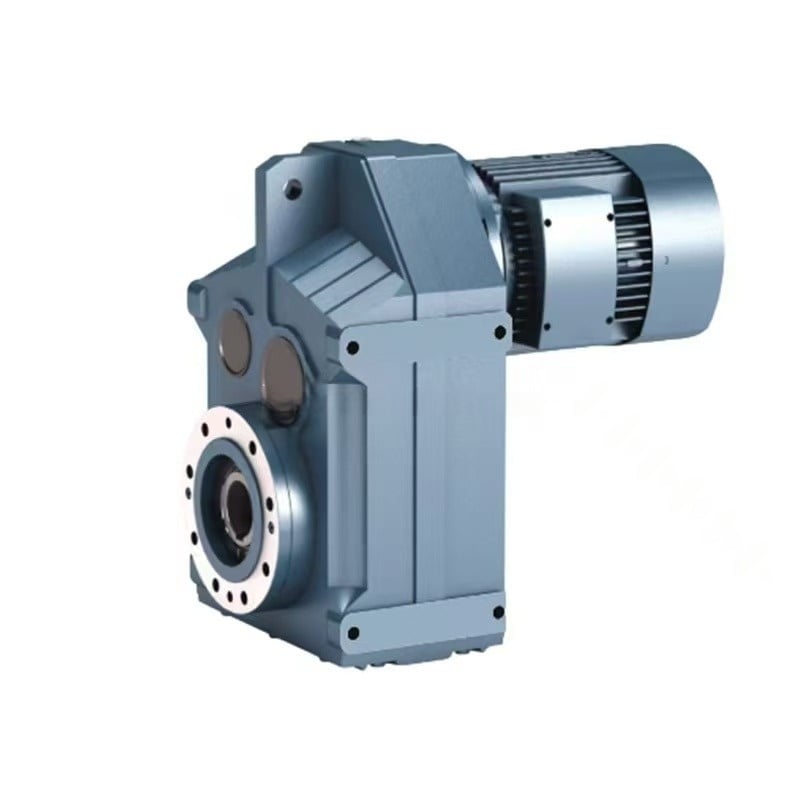
Mechanical Advantages of Speed Reduction Technology
Torque Multiplication Principles
The fundamental principle behind speed reducer operation lies in the inverse relationship between rotational speed and torque output. When a speed reducer decreases rotational velocity, it proportionally increases the available torque, creating a mechanical advantage that enables smaller motors to drive larger loads effectively. This torque multiplication occurs through precise gear ratios engineered to deliver specific performance characteristics tailored to application requirements. Modern speed reducer designs achieve reduction ratios ranging from 3:1 to over 10,000:1, providing engineers with extensive flexibility in matching power transmission characteristics to load demands.
The torque multiplication effect becomes particularly valuable in applications requiring high starting torque or sustained heavy-duty operation. Industrial conveyors, mining equipment, and manufacturing machinery benefit significantly from the enhanced torque delivery that speed reducer systems provide. This mechanical advantage eliminates the need for oversized motors, reducing initial equipment costs and ongoing energy consumption while maintaining superior performance under challenging operational conditions.
Precision Control Enhancement
Speed reducer implementation dramatically improves system precision and controllability by reducing the effects of input variations and providing smoother output characteristics. The gear reduction process inherently dampens speed fluctuations and provides more stable operation, particularly crucial in applications requiring precise positioning or consistent material handling. This enhanced control capability enables operators to achieve tighter tolerances and more predictable results across various manufacturing processes.
The precision benefits extend beyond simple speed control to include improved acceleration and deceleration characteristics. A well-designed speed reducer system allows for gradual power application and smoother transitions between operating states, reducing mechanical stress on connected equipment and minimizing wear patterns that typically result from abrupt speed changes. These controlled transitions contribute to extended component life and reduced maintenance requirements throughout the entire mechanical system.
Performance Optimization Across Industrial Applications
Manufacturing Equipment Integration
Manufacturing facilities consistently experience significant performance improvements when incorporating properly selected speed reducer units into their production equipment. Assembly line conveyors benefit from the consistent material flow that speed reducers provide, ensuring uniform product spacing and reducing bottlenecks that can compromise overall production efficiency. The ability to fine-tune conveyor speeds through speed reducer adjustments enables manufacturers to optimize throughput while maintaining quality standards across diverse product lines.
Automated manufacturing systems particularly benefit from the enhanced positioning accuracy that speed reducer technology delivers. Robotic applications, CNC machinery, and automated assembly equipment achieve superior precision when equipped with appropriate speed reduction systems. The improved accuracy translates directly into reduced waste, enhanced product quality, and increased customer satisfaction while supporting lean manufacturing principles that emphasize efficiency and waste reduction.
Heavy Industrial Applications
Heavy industrial sectors, including mining, construction, and material processing, rely heavily on speed reducer technology to manage extreme loads and harsh operating conditions. Mining equipment, such as ball mills and crushers, requires the high torque output that speed reducer systems provide to process raw materials effectively. The robust construction of industrial-grade speed reducers ensures reliable operation in environments characterized by dust, moisture, temperature extremes, and continuous heavy-duty cycles.
Construction equipment benefits from speed reducer integration through improved load handling capabilities and enhanced operational versatility. Excavators, cranes, and material handling equipment achieve superior performance characteristics when equipped with properly sized speed reduction systems. The enhanced torque delivery enables these machines to handle heavier loads while maintaining precise control, improving job site productivity and operator safety simultaneously.
Energy Efficiency and Cost Reduction Benefits
Motor Sizing Optimization
The strategic use of speed reducer technology enables significant motor downsizing opportunities that directly impact energy consumption and equipment costs. By utilizing the torque multiplication characteristics of speed reducers, engineers can specify smaller, more efficient motors that consume less energy while delivering equivalent or superior performance. This downsizing approach reduces initial capital investments and generates substantial long-term operational savings through decreased energy consumption and reduced maintenance requirements.
Energy efficiency improvements become particularly pronounced in applications with variable load demands or frequent start-stop cycles. A properly matched speed reducer allows motors to operate within their optimal efficiency range more consistently, avoiding the energy losses associated with oversized motors running at partial loads. These efficiency gains compound over time, generating substantial cost savings while supporting corporate sustainability initiatives and regulatory compliance requirements.
Maintenance Cost Reduction
Speed reducer implementation contributes to significant maintenance cost reductions through several mechanisms that protect connected equipment and extend service intervals. The torque multiplication and speed reduction effects reduce stress on downstream components, minimizing wear patterns and extending component lifecycles. This protective effect becomes particularly valuable in applications involving frequent direction changes, heavy shock loads, or continuous operation under challenging conditions.
The smooth power transmission characteristics of quality speed reducer systems reduce vibration and mechanical stress throughout connected equipment, resulting in fewer bearing failures, reduced coupling wear, and extended service life for expensive machinery components. Predictable maintenance schedules become more achievable when speed reducer technology provides consistent, controlled power delivery that eliminates many sources of unpredictable equipment failures and unscheduled downtime.
Selection Criteria for Optimal Performance
Load Analysis and Sizing Requirements
Proper speed reducer selection requires comprehensive analysis of load characteristics, duty cycles, and environmental conditions that will influence long-term performance and reliability. Engineers must evaluate starting torque requirements, peak load conditions, and thermal management needs to ensure the selected speed reducer can handle both normal operating conditions and anticipated overload situations. This thorough analysis prevents premature failures and ensures optimal performance throughout the equipment's operational life.
The sizing process must also consider future expansion possibilities and changing operational requirements that may affect load demands over time. A well-selected speed reducer provides adequate safety margins while avoiding oversizing that increases costs without delivering proportional benefits. This balanced approach ensures long-term value and operational flexibility while maintaining cost-effectiveness in both initial investment and ongoing operational expenses.
Environmental and Mounting Considerations
Environmental factors significantly influence speed reducer performance and longevity, requiring careful consideration during the selection process. Temperature extremes, humidity levels, dust exposure, and chemical contamination all affect lubrication requirements, seal specifications, and housing materials. Industrial environments often present unique challenges that demand specialized speed reducer configurations designed to maintain reliable operation under adverse conditions.
Mounting requirements and space constraints frequently influence speed reducer selection, particularly in retrofit applications where existing equipment layouts limit installation options. Compact designs, alternative mounting configurations, and modular construction approaches enable successful speed reducer integration even in challenging installation environments. These considerations ensure that performance benefits can be realized without requiring extensive facility modifications or equipment relocations.
Advanced Technologies and Future Developments
Smart Monitoring Integration
Modern speed reducer technology increasingly incorporates smart monitoring capabilities that provide real-time performance data and predictive maintenance insights. Vibration sensors, temperature monitoring, and lubricant condition assessment systems enable proactive maintenance scheduling that prevents unexpected failures and optimizes service intervals. These advanced monitoring features transform speed reducers from passive mechanical components into intelligent system elements that contribute to overall facility management efficiency.
Integration with industrial IoT platforms enables speed reducer monitoring data to be incorporated into comprehensive facility management systems that optimize maintenance schedules across entire production facilities. This connectivity allows for coordinated maintenance activities that minimize production disruptions while ensuring optimal equipment performance. The data insights generated through smart monitoring enable continuous improvement initiatives that enhance operational efficiency and reduce total cost of ownership.
Material and Design Innovations
Ongoing materials science advances continue to improve speed reducer performance, efficiency, and service life through enhanced gear materials, improved lubrication systems, and optimized housing designs. Advanced steel alloys, specialized surface treatments, and precision manufacturing techniques enable higher load capacities and extended service intervals while maintaining compact form factors. These innovations directly translate into improved performance and reduced lifecycle costs for end users.
Design optimization through computer modeling and simulation enables engineers to develop speed reducer configurations that maximize efficiency while minimizing size and weight. These advanced design tools facilitate the creation of application-specific solutions that deliver superior performance characteristics tailored to unique operational requirements. The resulting improvements in power density and operational efficiency support equipment modernization initiatives across diverse industrial sectors.
FAQ
How does a speed reducer improve equipment lifespan
A speed reducer extends equipment lifespan by reducing mechanical stress on connected components through smooth torque delivery and controlled power transmission. The torque multiplication effect allows motors to operate at optimal speeds while providing the high torque needed for heavy loads, reducing wear on motor bearings, windings, and other internal components. Additionally, the gradual acceleration and deceleration characteristics minimize shock loads and vibration that typically cause premature component failures in direct-drive systems.
What maintenance requirements do speed reducers typically have
Speed reducer maintenance primarily involves regular lubrication monitoring, periodic oil changes, and routine inspection of seals and mounting hardware. Most industrial speed reducers require oil changes every 2,500 to 5,000 operating hours, depending on load conditions and environmental factors. Visual inspections should check for oil leaks, unusual noise or vibration, and proper alignment with connected equipment. Proper maintenance practices can extend speed reducer service life to 20 years or more in typical industrial applications.
Can speed reducers be retrofitted to existing equipment
Speed reducers can frequently be retrofitted to existing equipment with appropriate engineering analysis and mechanical modifications. Retrofit success depends on available space, mounting capabilities, and compatibility with existing drive systems. Many facilities successfully retrofit speed reducers to improve performance, reduce energy consumption, or extend equipment life. Professional engineering consultation ensures proper sizing, mounting, and integration with existing control systems for optimal results.
What are the typical efficiency ratings for modern speed reducers
Modern speed reducers typically achieve efficiency ratings between 85% and 98%, depending on design type, reduction ratio, and load conditions. Helical and bevel gear speed reducers generally provide the highest efficiency ratings, while worm gear designs may have lower efficiency but offer other advantages such as self-locking capabilities and compact form factors. Higher efficiency ratings translate directly into energy savings and reduced operating costs over the equipment's service life.